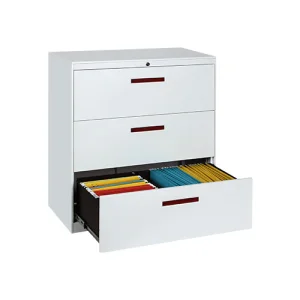
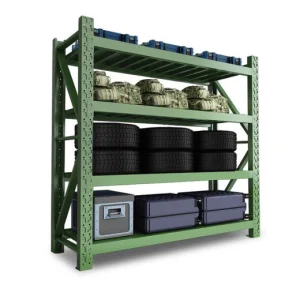
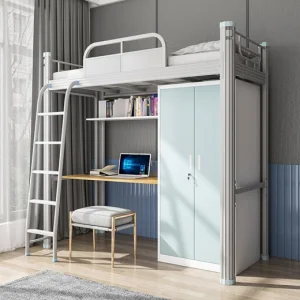
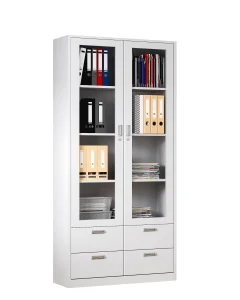
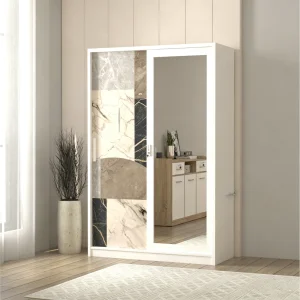
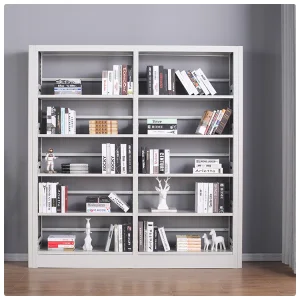
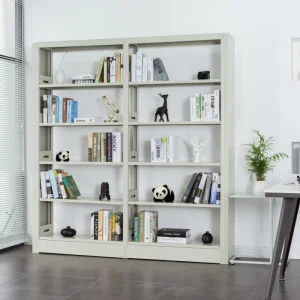
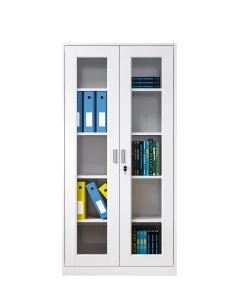
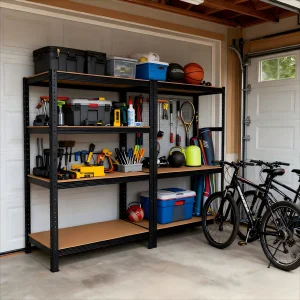
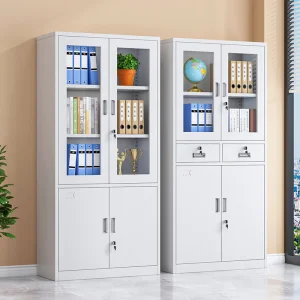
High-performance industrial shelving, specialized safety lockers, and modular files storage configurations engineered for ultimate space optimization.
Exploring the macroeconomic drivers, structural shifts, and spatial economics that are reshaping the supply chain and materials handling industry globally.
The global industrial footprint is undergoing a profound paradigm shift. As real estate development and land costs escalate in major logistics hubs across Europe, North America, and East Asia, warehouse operator units are driven to optimize internal volume. The traditional approach of outward horizontal expansion has hit structural boundaries. Thus, verticality has transitioned from a progressive luxury to a structural necessity.
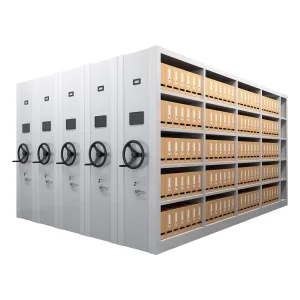
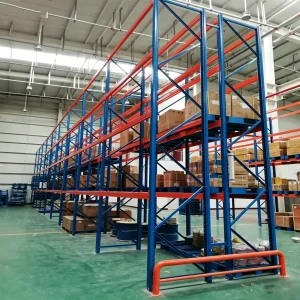
High-Density Vertical Lift Modules (VLMs) and advanced structural racking systems operate at the intersection of structural safety, mechanical engineering, and software execution. By replacing conventional wide-aisle static shelving configurations with vertical automated storage and retrieval systems (ASRS) and high-density racking networks, facilities can reclaim up to 85% of wasted floor area. This spatial optimization directly lowers overhead expenditures, reduces carbon footprints of warehouse temperature regulation, and drastically enhances picking efficiency by bringing stored elements dynamically to the operator, adhering to the "Goods-to-Person" system strategy.
From an investment standpoint, vertical storage planning is highly integrated with localized zoning codes and regional distribution models. In dense commercial regions, such as the German Ruhr Area or metropolitan centers in the United States, utilizing maximum ceiling clearances (often up to 12-15 meters) allows businesses to consolidate decentralized operations into single high-bay fulfillment hubs. Consequently, regional exporters of vertical storage technology must provide highly configurable structural systems that comply with rigorous local building regulations, seismic zones, and loading standards.
Under the hood of heavy-duty storage engineering: materials, precision tolerances, and structural load analysis.
The integrity of a vertical lift system or a heavy-duty pallet racking matrix depends entirely on structural engineering precision. Systems must be engineered to withstand dynamic load transitions, cyclic stress, and potentially severe seismic forces. Premium manufacturers deploy high-tensile structural steel (primarily Q235B and Q355 structural steel grades) to guarantee optimal yield strength and elastic deformation limits.
| System Classification | Primary Material Grade | Standard Load Thresholds | Structural Standards Compliance |
|---|---|---|---|
| Heavy-Duty Pallet Racking | Q235B / Q355 Steel Coils | 1,000kg - 4,000kg / Level | EN 15512, RMI Standards |
| Industrial Multi-tier Mezzanines | Structural Steel Profile H-Beam | 300kg - 1,000kg / ㎡ | CE Certified Structural Design |
| Selective High-Density Racks | Cold-Rolled Profiles | 500kg - 2,000kg / Bay | ISO 9001:2016 Compliant QA |
| Automated VLM Structural Framework | Reinforced Galvanized Steel | Up to 500kg / Tray Capacity | FEM 10.2.02 Design Guidelines |
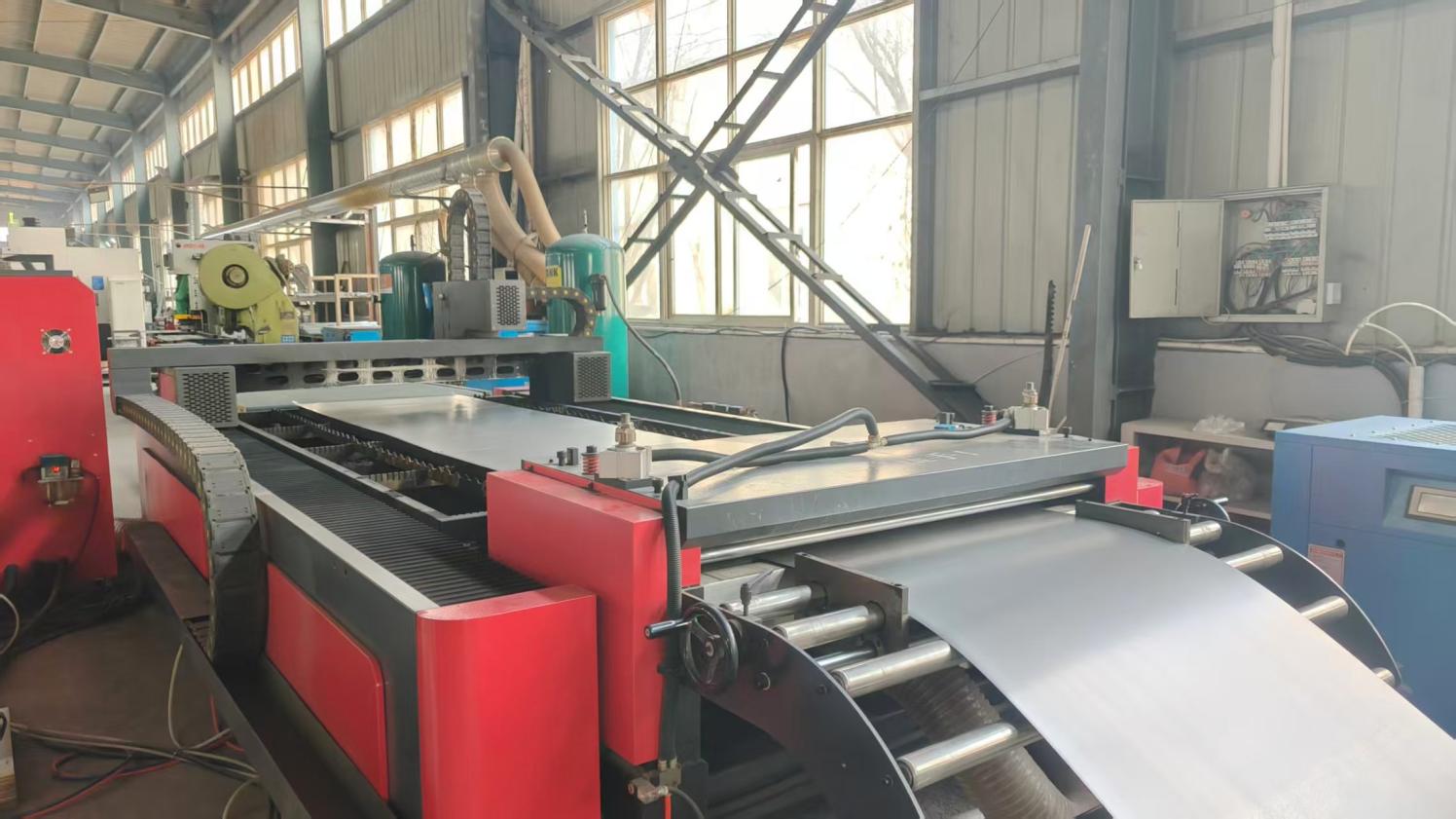
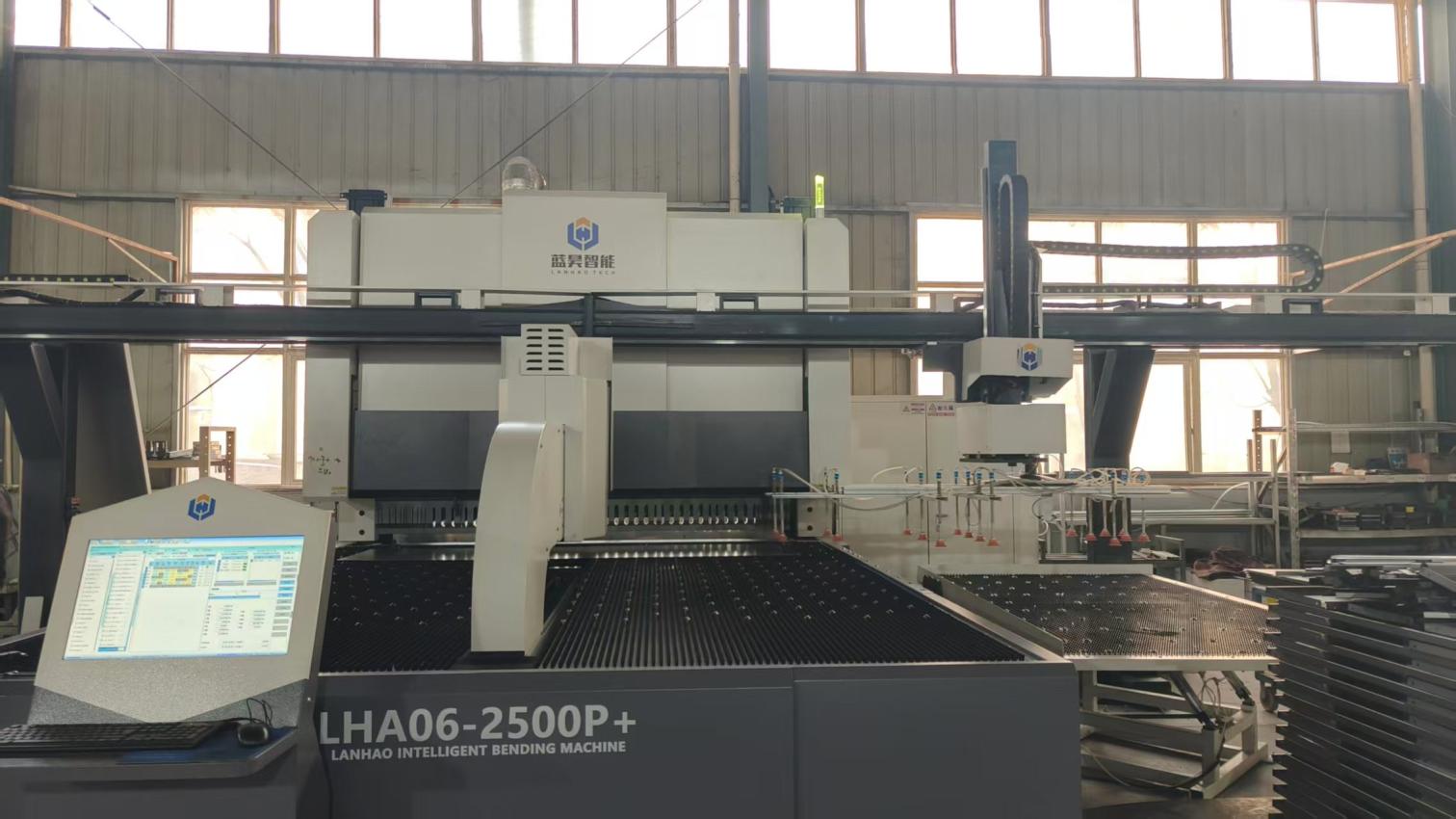
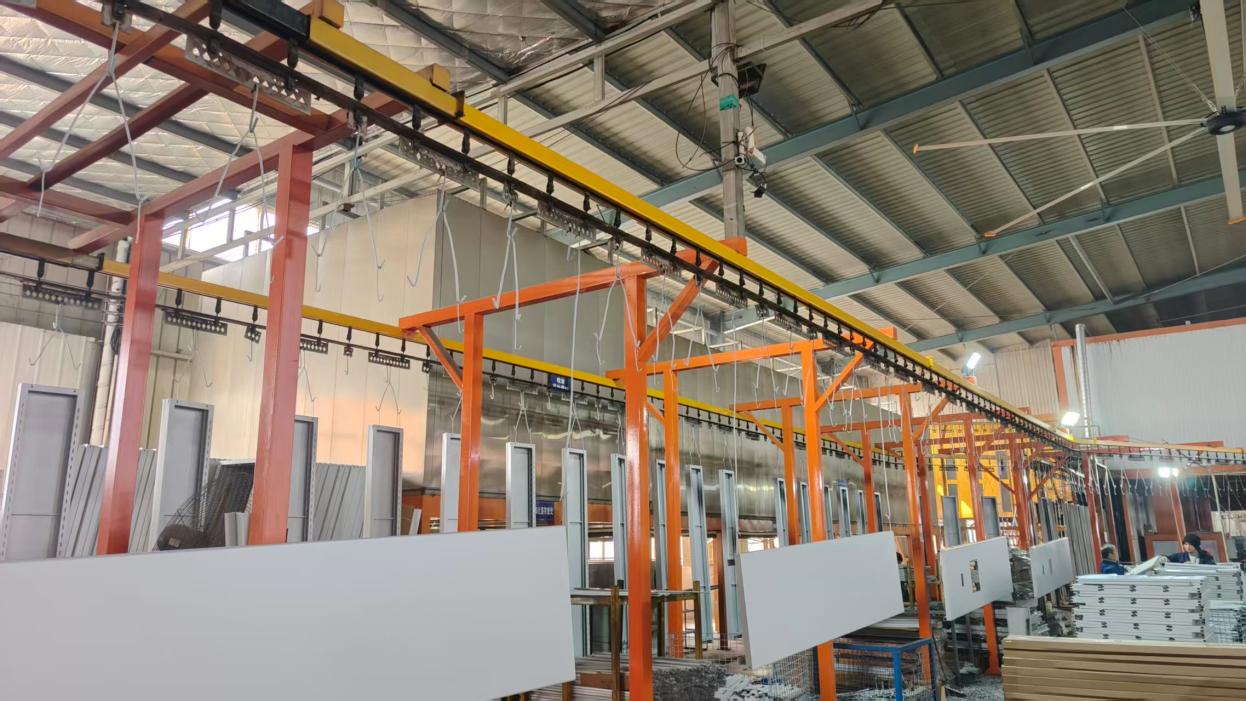
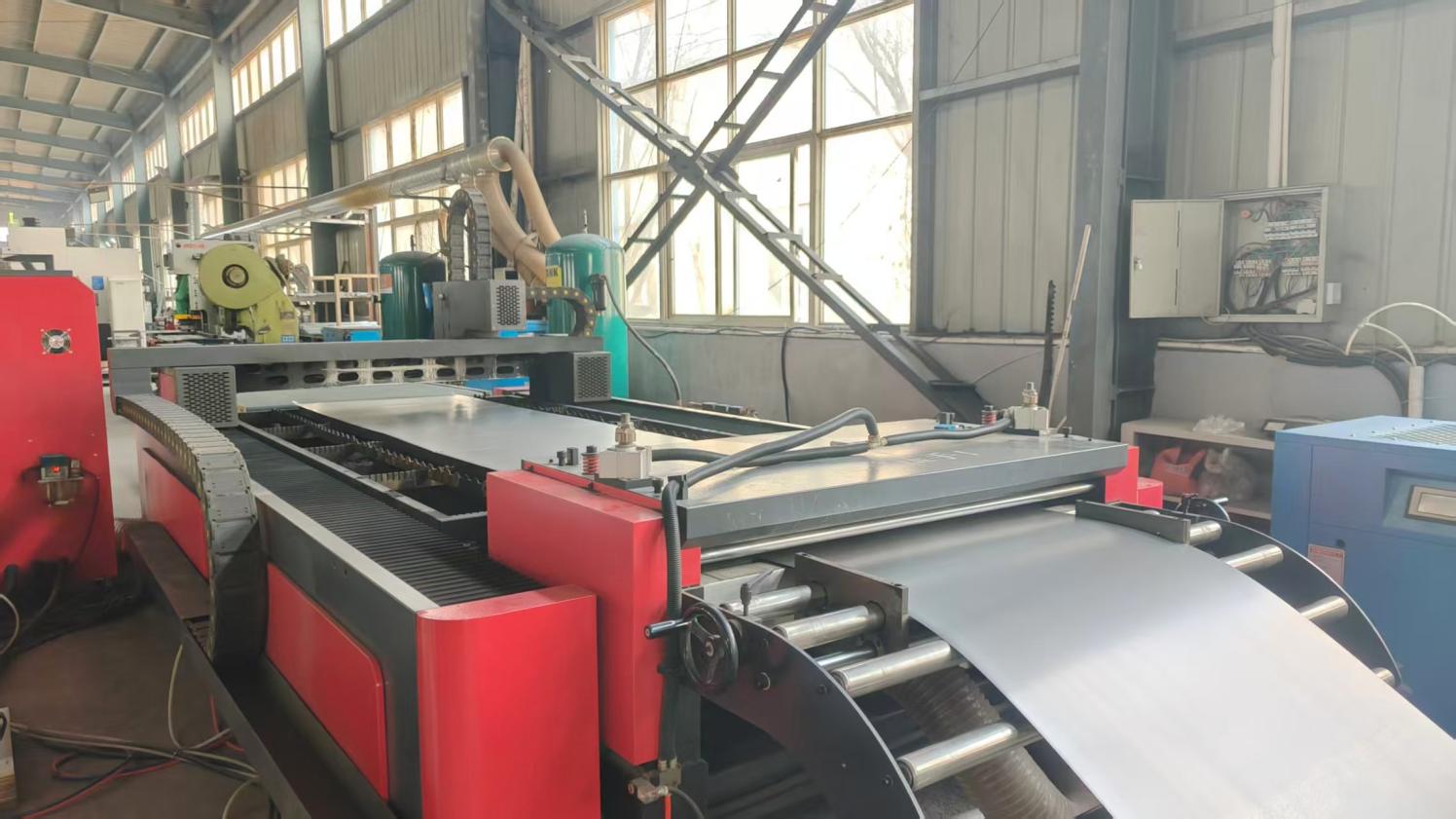
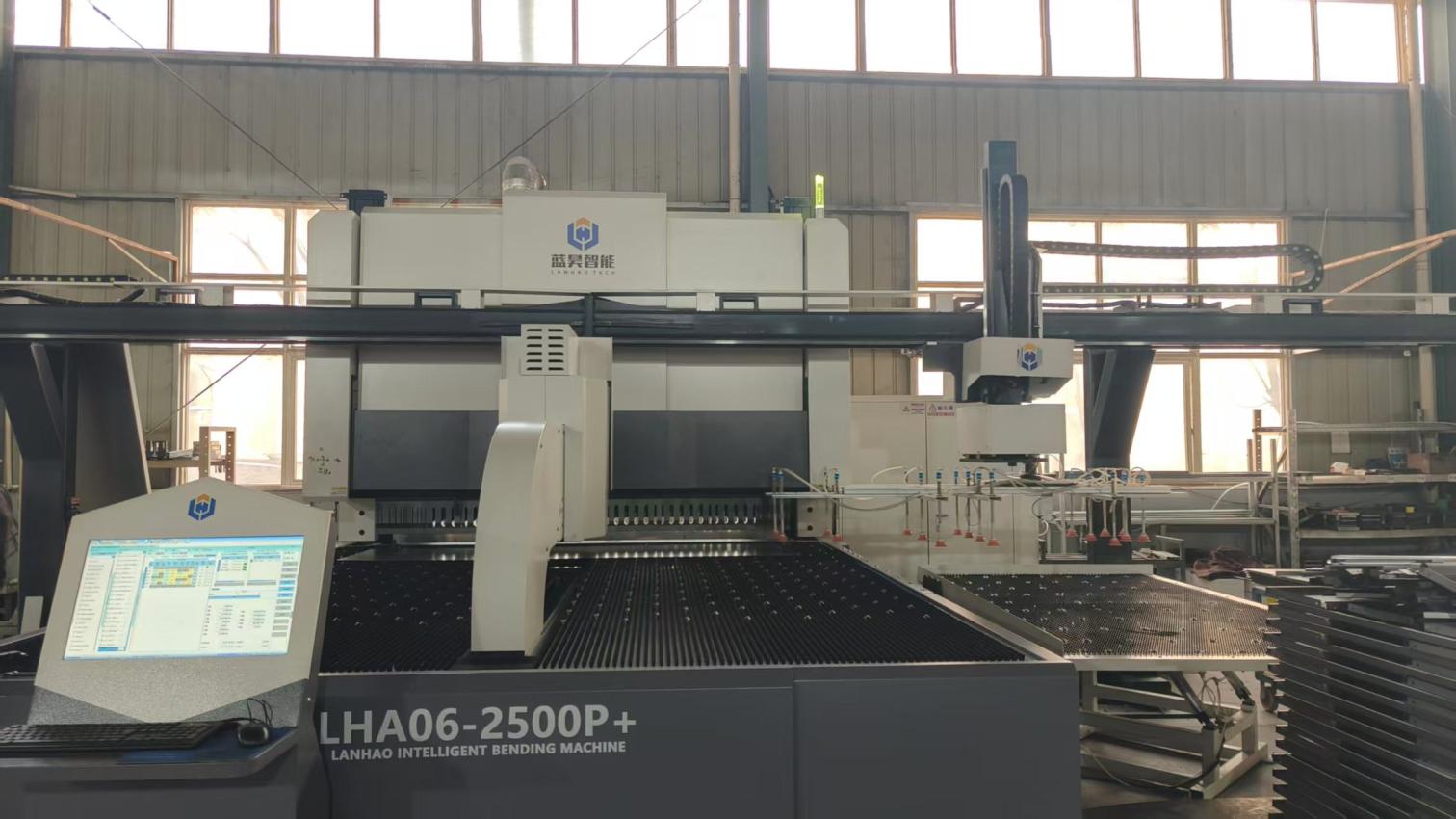
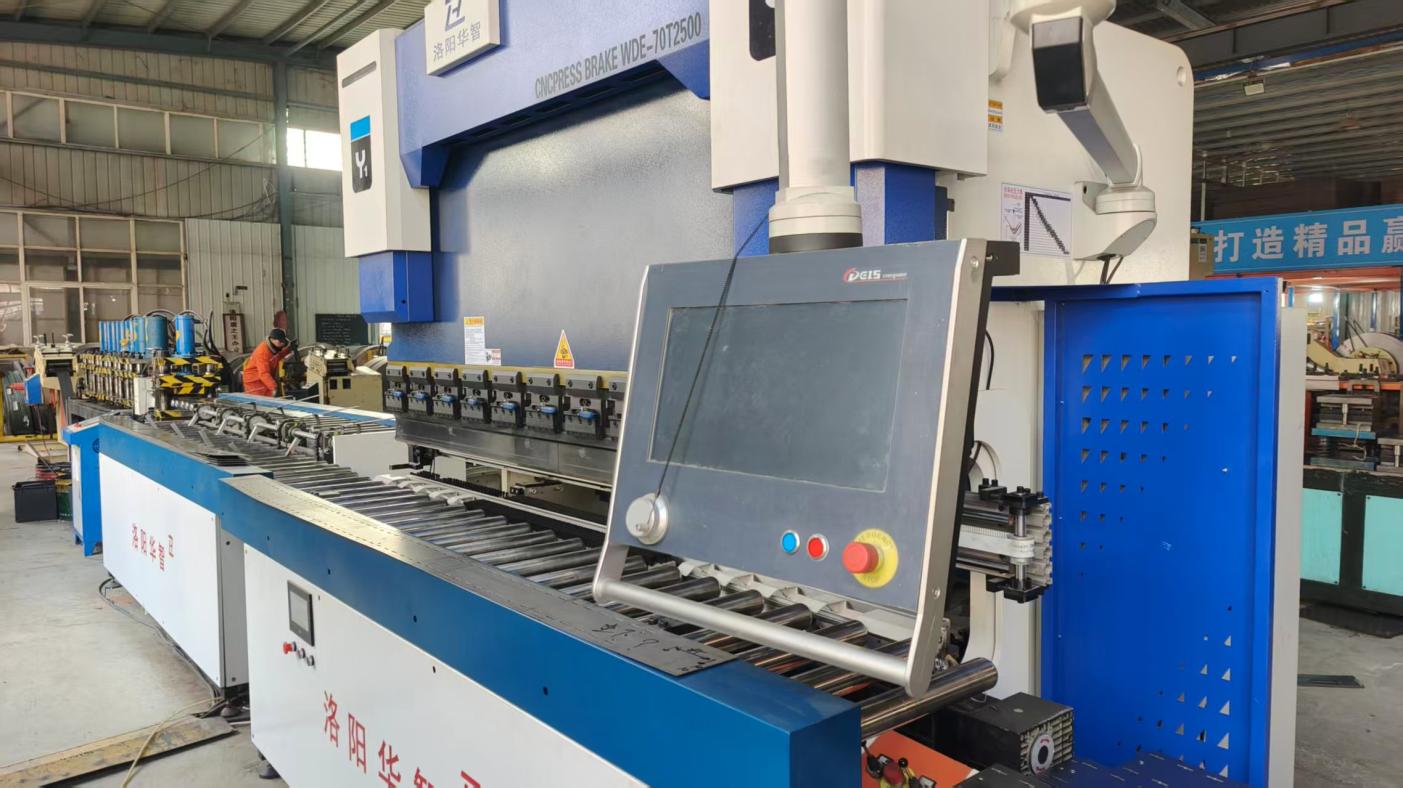
To prevent localized buckling, steel profile roll-forming processes must execute within extremely tight dimensional tolerances. Guangdong Luyuan Import and Export Trading Co., Ltd. incorporates automatic bending and high-precision CNC bending technologies, ensuring structural variance metrics stay below 0.5mm. Surface coatings are executed using electrostatic epoxy-polyester powder spraying systems, curing at high temperatures to produce an impact-resistant, chemical-resistant, and corrosion-resistant outer shield.
Looking ahead, the roadmap for vertical storage systems points directly to deep automation integration. This includes the mechanical interface of high-density pallet racks with Automated Guided Vehicles (AGVs), stacker cranes, and autonomous shuttle carts. This evolution relies heavily on WMS (Warehouse Management System) compatibility, enabling precise real-time inventory tracking, batch allocation, and auto-balancing rack loading profiles to maintain optimal center of gravity parameters.
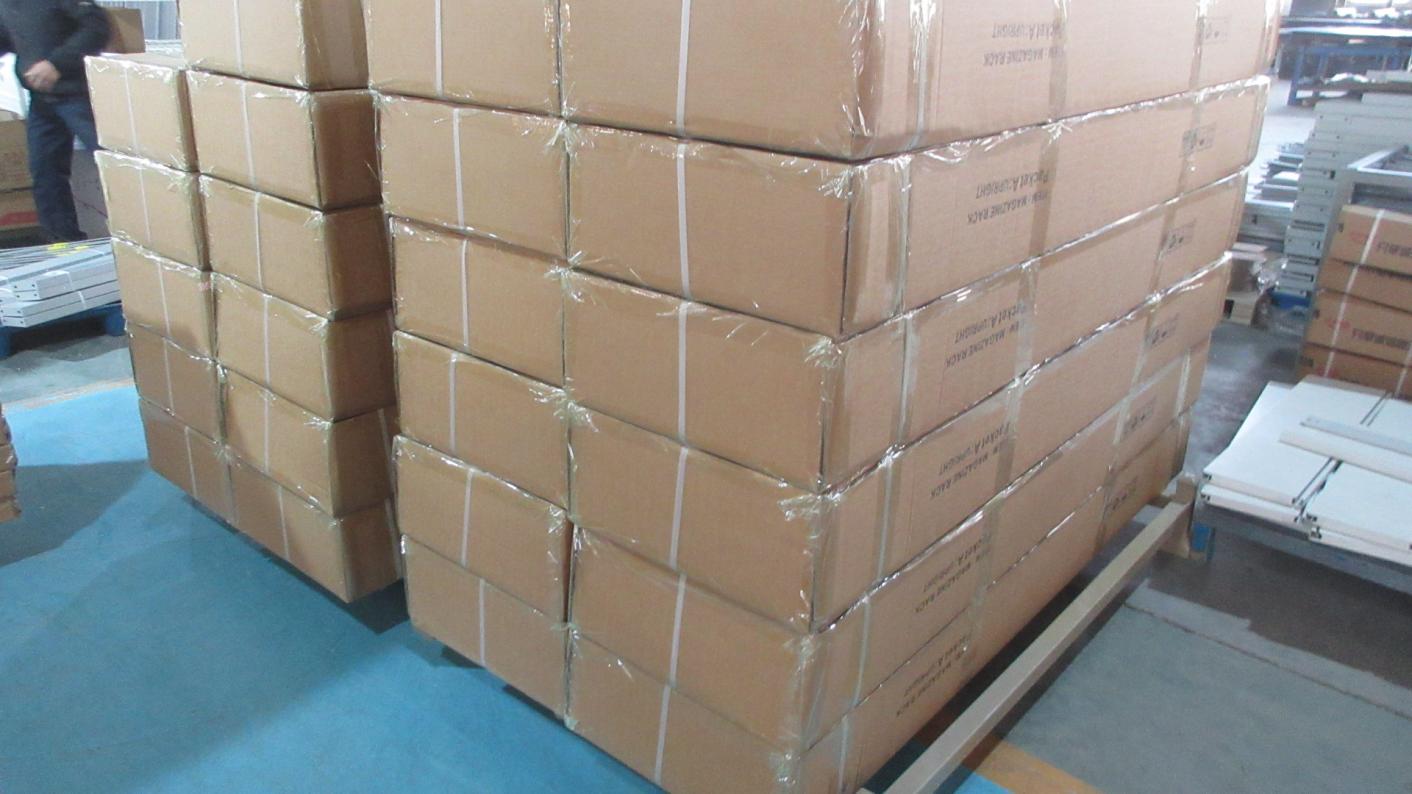
A look into our 18,000㎡ industrial complex, high-precision metal processing operations, and rigorous quality inspection protocols.
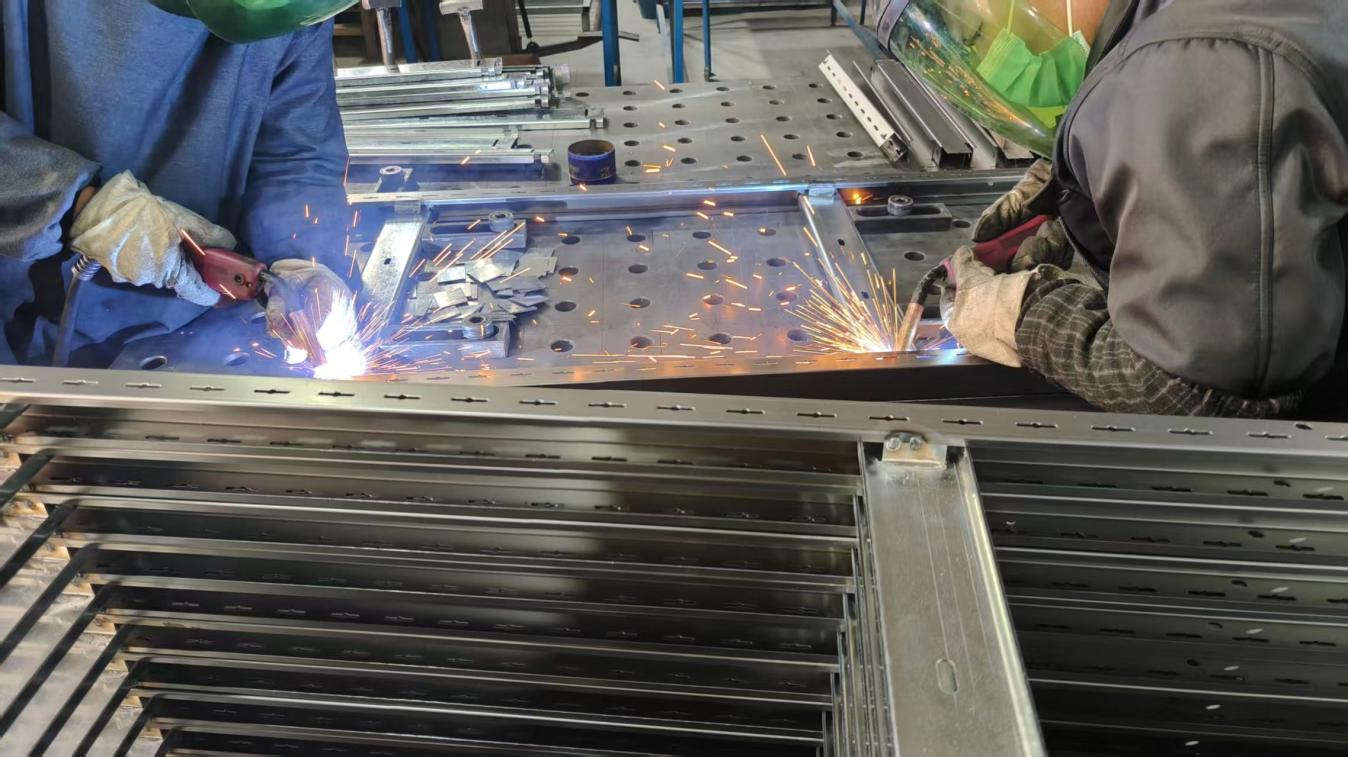
Established in 2016, Guangdong Luyuan Import and Export Trading Co., Ltd. is a professional warehouse storage rack manufacturer and global supplier specializing in industrial racking systems, warehouse shelving solutions, and customized storage equipment. The company operates a modern production facility covering 18,000㎡, integrating product design, manufacturing, quality inspection, and international trade services.
With annual export revenue reaching approximately USD 12 million and 8 years of export experience, Luyuan has developed strong capabilities in serving global customers with reliable warehouse storage solutions. The company has more than 12 years of industry experience, providing high-quality pallet racks, heavy duty racks, cantilever racks, mezzanine systems, supermarket shelving, and customized warehouse solutions.
Luyuan follows strict quality control procedures throughout the production process. All products are inspected through raw material inspection, welding quality checks, dimensional measurement, load capacity testing, surface coating inspection, and final product evaluation before shipment. The company has a professional quality inspection team of 45 members to ensure every product meets international standards. Led by our 28 experienced R&D engineers, we continuously deliver customized rack system developments and site planning layout optimizations.
Custom engineering tailored to resolve spatial constraints and operational bottlenecks across distinct sectors.
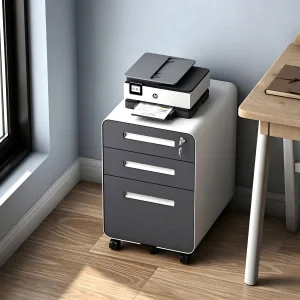
In spare parts logistics, handling thousands of uniquely sized components (SKUs) on traditional shelves causes picking bottlenecks and high spatial footprints. Our heavy-duty racking configurations and specialized drawer systems enable secure, high-density compartmentalization. This system design ensures fast item retrieval, improves trace control, and protects components from dust and damage.
Operating cold storage facilities requires high utility costs per cubic meter. High-density drive-in pallet racking systems or automated shuttle-based systems maximize volume utilization. By reducing open spaces, cold-storage operators significantly decrease cooling energy loss, achieving rapid return on investment (ROI).
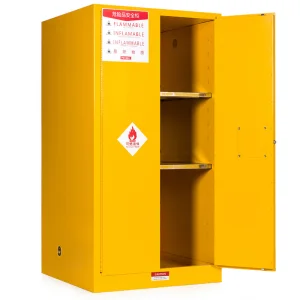
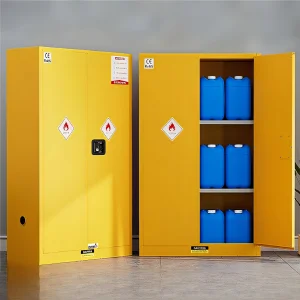
In highly regulated chemical laboratories and manufacturing facilities, raw material storage must comply with strict safety protocols. Utilizing our specialized explosive-proof, laboratory-grade flammable chemical cabinets prevents hazardous interactions. Built with dual-walled containment steel and integrated ventilation linkages, these storage units safeguard personnel and maintain operational compliance.
Technical clarifications, design standards, and operational advice regarding high-density industrial systems.
Highly durable warehouse racking, industrial filing solutions, and versatile shelving arrays for heavy-duty applications.
 Luyuan Racks