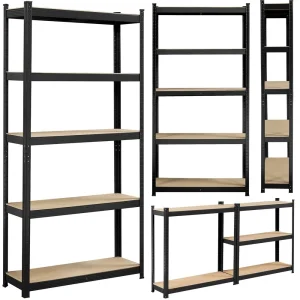
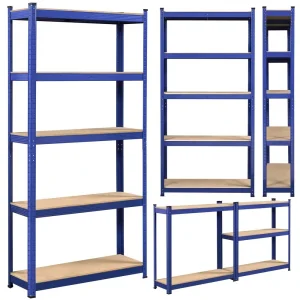
Engineered for extreme modularity, reliable weight distribution, and tool-free installation across commercial and industrial spaces.
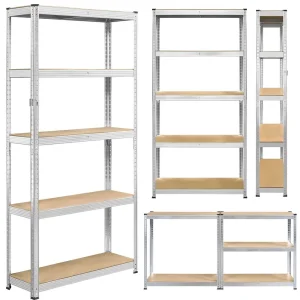
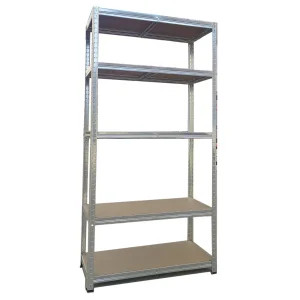
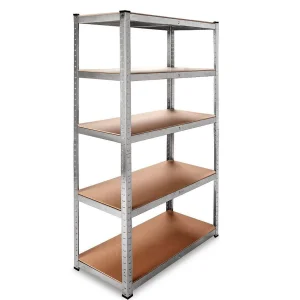
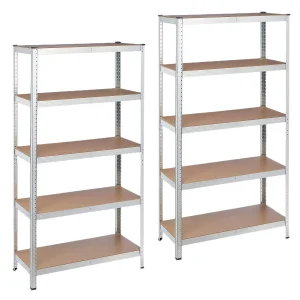
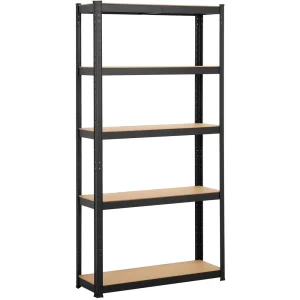
The shift toward localized micro-fulfillment hubs, agile supply chains, and highly dense storage options is driving global demand for modular light-duty shelving.
In the contemporary logistics and spatial management landscape, optimization is no longer a luxury but an existential necessity. Globally, warehouse rents have climbed exponentially, prompting businesses to maximize vertical storage density. Light-duty shelving systems (defined typically as structures carrying loads between 100kg and 300kg per tier) serve as the vital backbone for micro-fulfillment centers, e-commerce storage hubs, retail backrooms, and industrial workshops.
Historically, warehouses relied on heavy-duty pallet racking systems that required heavy forklift operations. However, the modern supply chain requires unprecedented agility. Decentralized inventory systems, just-in-time delivery schedules, and the boom in direct-to-consumer (DTC) shipping models have caused a surge in manual order-picking operations. This is where light-duty, adjustable shelving excels: it allows human pickers to safely access inventory without the need for material handling machinery, minimizing down-time and increasing picking speed.
Additionally, the globalization of light-duty shelving supply chains has created a highly competitive market where Chinese manufacturers lead in material sourcing, advanced bending machinery, and surface-treatment technologies. Exporters must now bridge the gap between high-volume manufacturing and localized compliance standards, supplying racking systems that are not only cost-effective but structurally certified for deployment in Western markets.
Allows dynamic adjustment of shelf intervals to accommodate varying SKU heights, preventing underutilized space.
Advanced rivet and plug-in designs ensure quick assembly, reducing installation costs and downtime.
Offers superior resistance against high humidity, temperature drops, and scratching in challenging environments.
Under the leadership of Guangdong Luyuan, our industrial processes incorporate advanced engineering design, precise mechanical processing, and strict quality control protocols.
Established in 2016, Guangdong Luyuan Import and Export Trading Co., Ltd. has established itself as an authoritative leader and manufacturer of industrial racking and warehouse storage systems. Operating a state-of-the-art 18,000㎡ modern production facility, our operations seamlessly integrate core engineering design, specialized mechanical fabrication, and high-efficiency global trade services. With more than 12 years of industry experience and an annual export revenue reaching USD 12 million, we are committed to meeting the complex, changing demands of modern global logistics.
Our competitive advantage is rooted in our technical expertise and rigorous quality-control protocols. All products go through a comprehensive testing sequence, including raw material inspection, dimensional tolerance monitoring, loading capacity tests, and surface coating thickness assessments. With a dedicated, expert quality inspection team of 45 specialists, we ensure that every batch of light-duty shelves complies with international load-bearing and environmental standards.
Equipped with a professional R&D team comprising 28 experienced engineers specializing in structural mechanics and warehouse layout optimization, Luyuan is uniquely positioned to handle high-level OEM and ODM requests. Our global footprint extends across Europe, North America, South America, the Middle East, and Australia, allowing us to build long-term relationships with more than 850 partners worldwide, including top-tier material suppliers, multinational logistics firms, and industrial equipment distributors.
How raw cold-rolled steel is processed into high-precision, certified light-duty shelves.
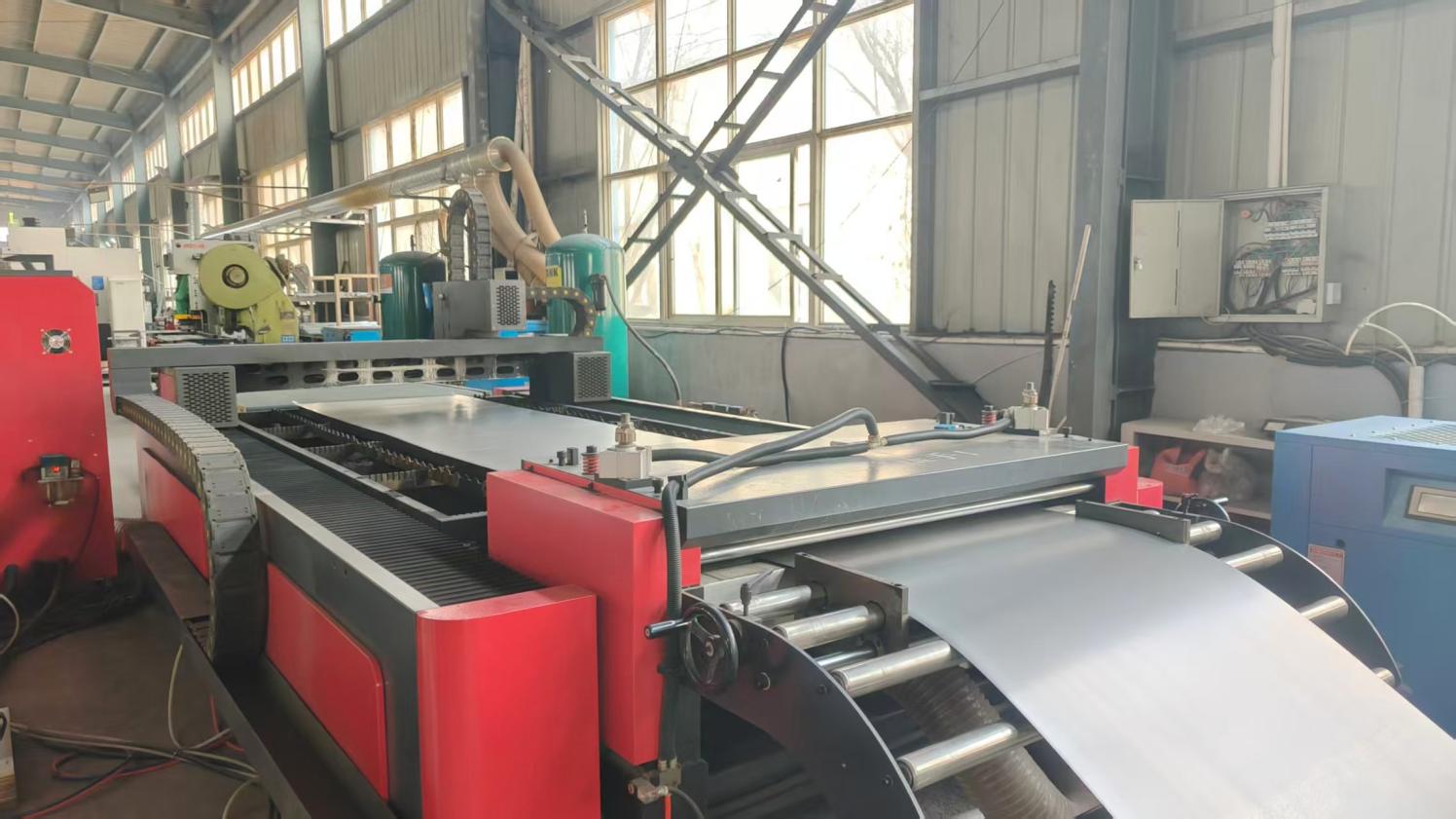
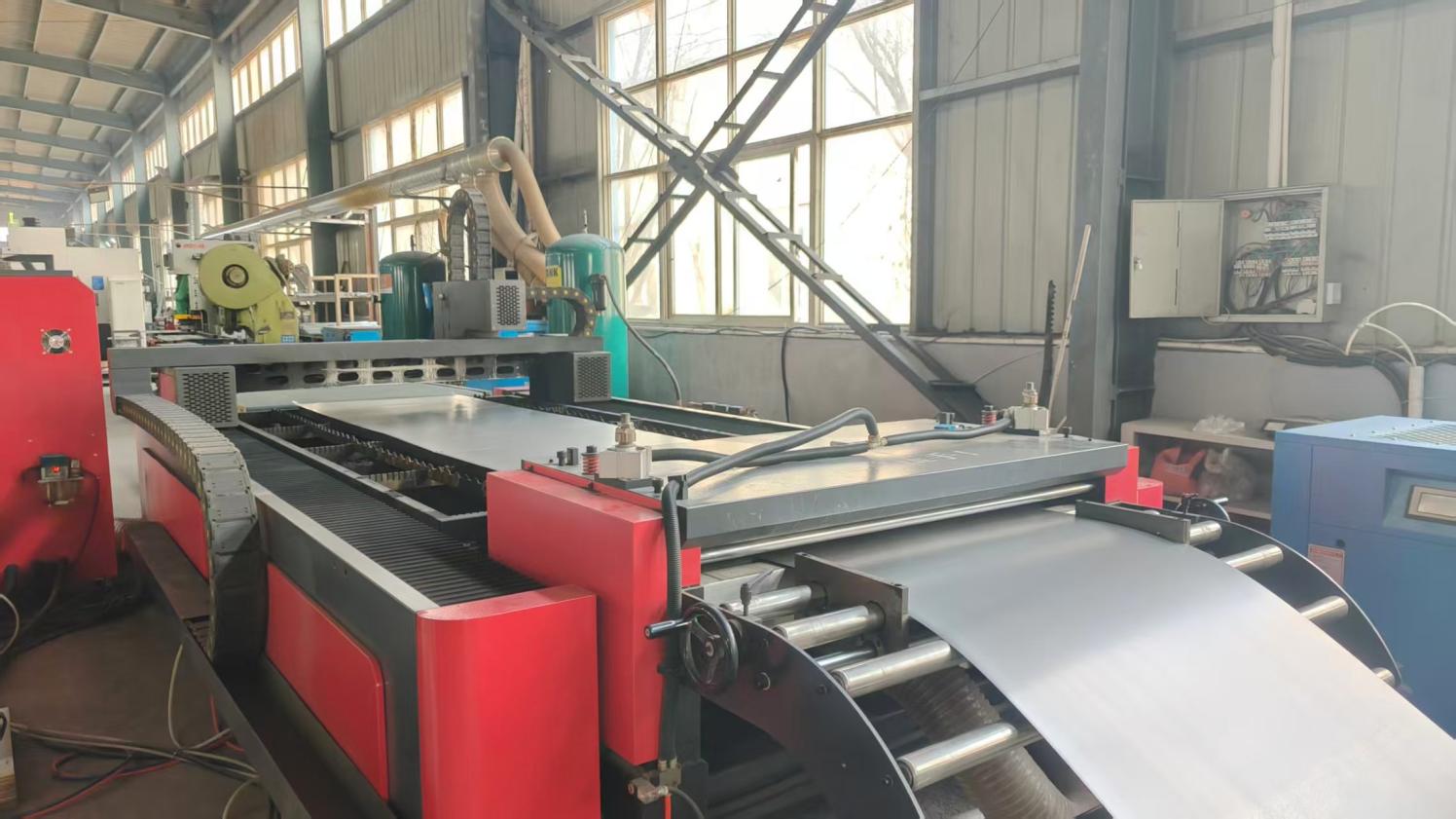
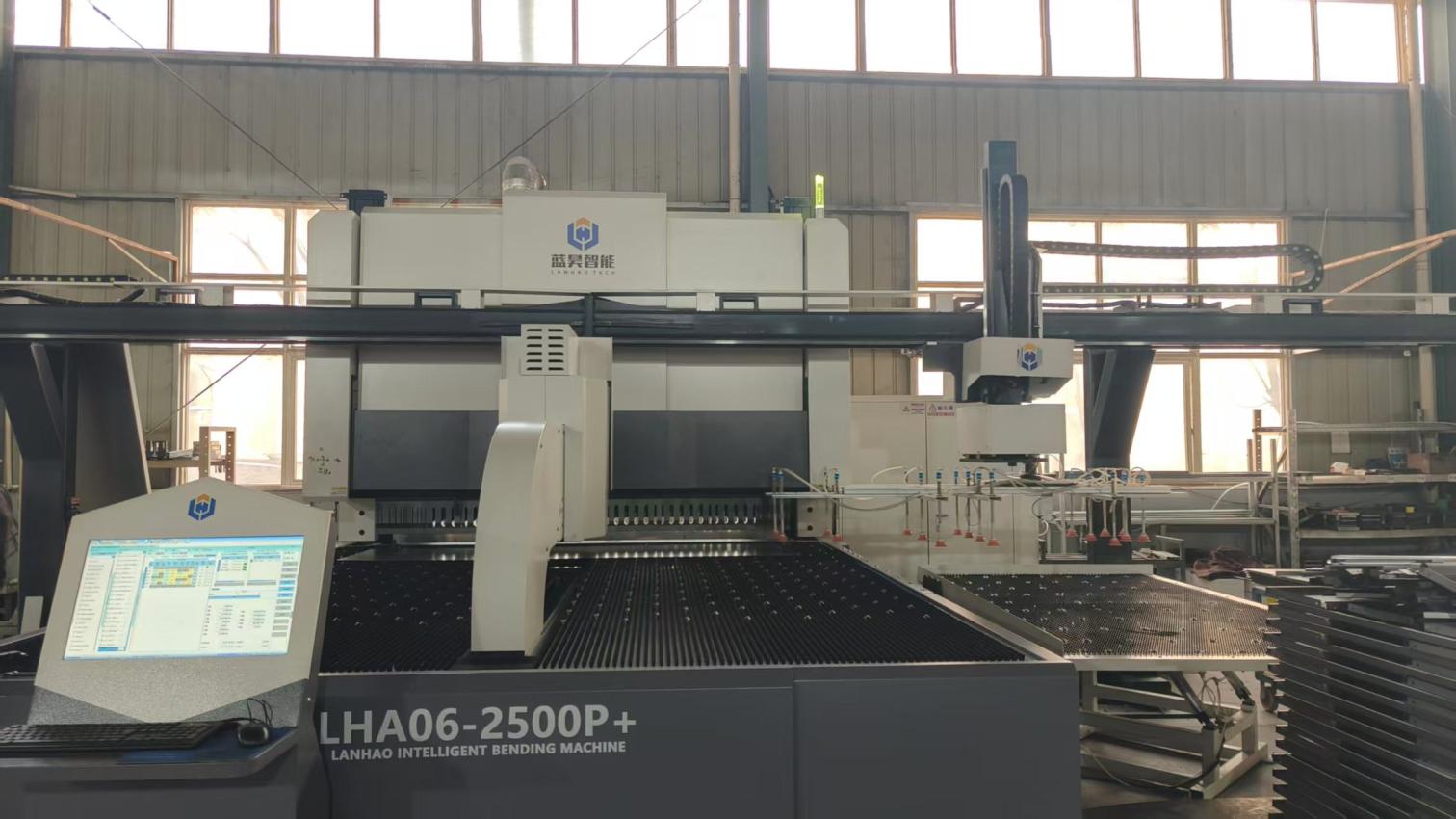
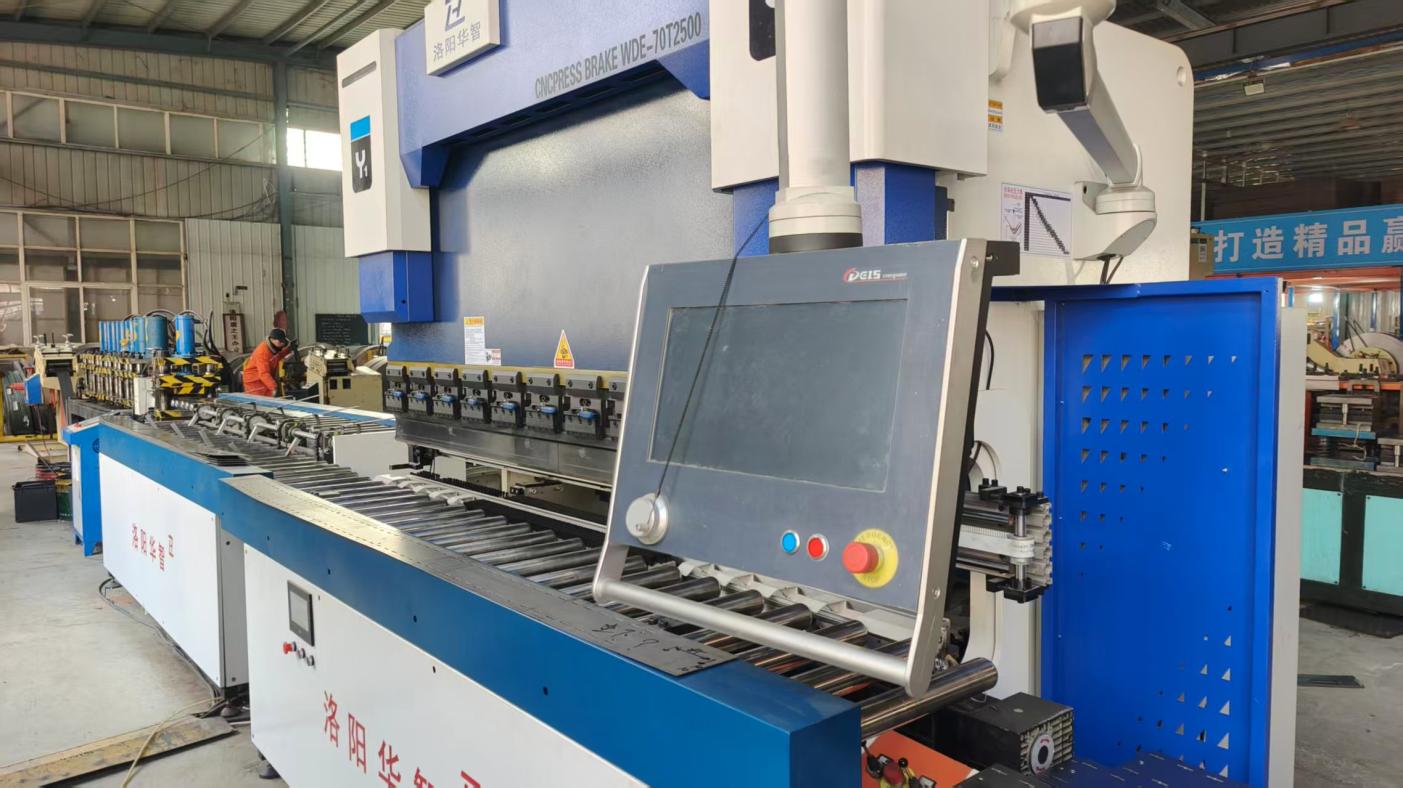
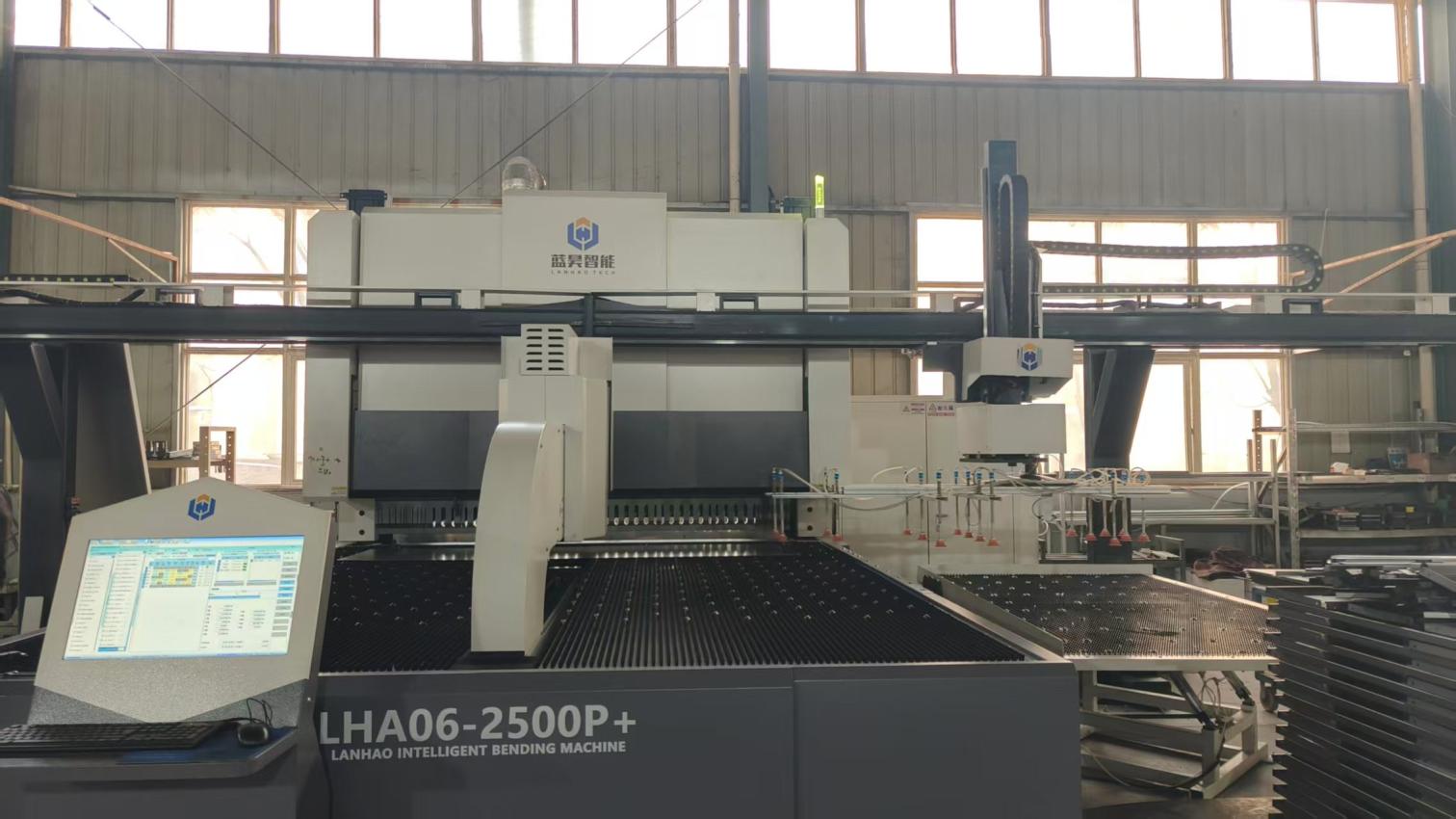
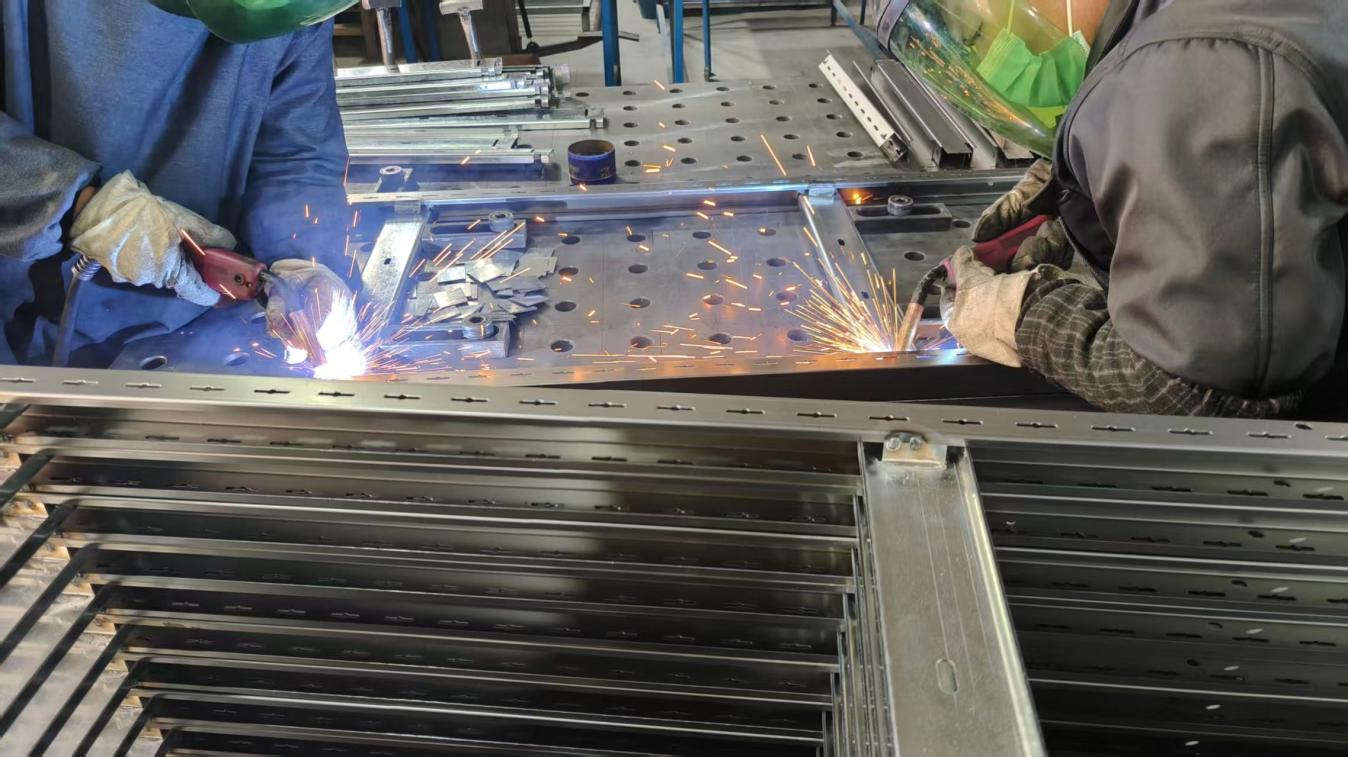
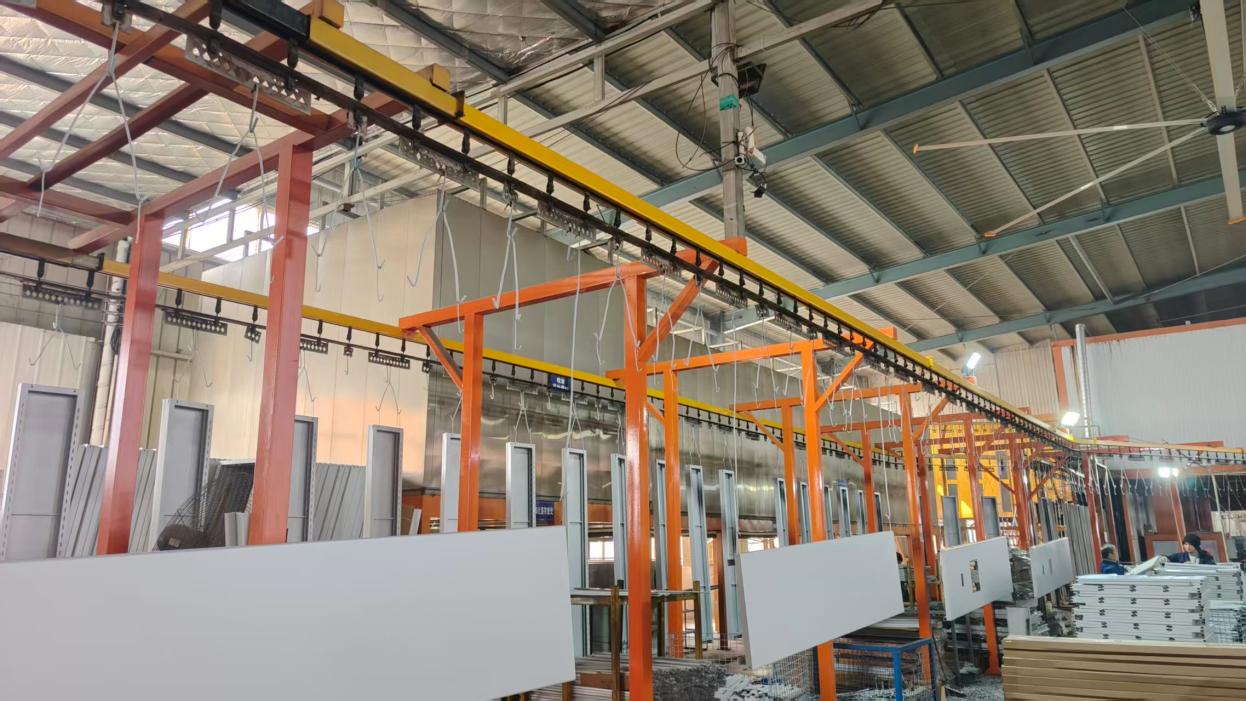
A deep dive into structural calculations, mechanical joins, coating configurations, and steel grade choices.
The structural reliability of light-duty shelving relies on the geometry of its components and the quality of the raw materials used. Unlike heavy-duty pallet racks that utilize hot-rolled structural steel, light-duty systems typically use high-tensile cold-rolled SPCC steel sheets. Cold rolling increases the yield strength and hardness of the steel through work hardening, allowing thinner profiles to support substantial weight without deformation.
Most modern light-duty shelving systems utilize a boltless interlocking system. The post profiles feature keyhole or butterfly slots punched at precise intervals (typically 1.5 inches / 38mm). The shelf support beams are fitted with tapered steel rivets that drop into these keyhole slots. As downward vertical load is applied to the shelf, the tapered rivets are forced deeper into the narrow bottom of the slots, tightening the joint. This creates a mechanical lock that increases in rigidity as more weight is loaded on the shelf.
Corrosion protection is a key factor in extending the lifespan of shelving systems. We utilize two main coating processes:
| Feature Parameter | Industrial Grade Spec | Commercial Grade Spec | Testing Standards & Compliance |
|---|---|---|---|
| Steel Sheet Grade | SPCC Cold-Rolled / Q195 Steel | Q195 Low Carbon Steel | ASTM A1008 / EN 10130 |
| Post Thickness | 1.2 mm - 1.5 mm | 0.7 mm - 1.0 mm | Micrometer Calibrations |
| Load Capacity (UDL) | 175 kg - 265 kg per Tier | 80 kg - 150 kg per Tier | EN 15635 Load Testing |
| Surface Finishes | Galvanized (Zinc > 80g/m²) | Electrostatic Powder (60-80μm) | Salt Spray Testing (ISO 9227) |
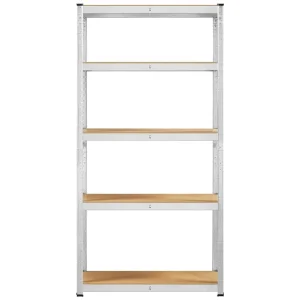
| Decking Type | 9mm E1-grade High Density MDF | 0.6mm Galvanized Steel Panels | CARB Phase 2 Formaldehyde Safe |
It is important to note that the rated load capacity (e.g., 175kg per tier) is based on a Uniformly Distributed Load (UDL). This means the weight must be distributed evenly across the entire surface of the shelf deck. Point loading (concentrating the entire mass in a small area) increases local bending stress, which can lead to premature failure of the MDF decking or sagging of the support beams.
Meeting requirements for structural safety, product compliance, and environmental standards across international markets.
To safely export racking systems globally, manufacturers must meet regional regulations and compliance standards. At Guangdong Luyuan, our production lines and product designs are certified to align with these key frameworks:
In the USA, industrial storage safety is monitored by the Occupational Safety and Health Administration (OSHA) under directive OSHA 1910.176. Additionally, the Rack Manufacturers Institute (RMI) publishes the Specification for the Design, Testing and Utilization of Industrial Steel Storage Racks. Key requirements include:
In Europe, the Federation Européenne de la Manutention (FEM) and the European Committee for Standardization (CEN) enforce strict codes. Racking structures must adhere to EN 15635 (Steel static storage systems - Application and maintenance of storage equipment). Under this standard, suppliers must provide clear load charts, safety warnings, and implement regular structural deflection testing.
Australia requires strict adherence to AS 4084:2012 (Steel storage racking), which outlines structural design codes, testing procedures, and layout configurations. It mandates minimum clearance guidelines in access aisles and sets standards for rack protectors to shield uprights from vehicle or trolley impact.
From residential garages in North America to industrial cleanrooms in Germany, light-duty shelves offer versatile spatial optimization.
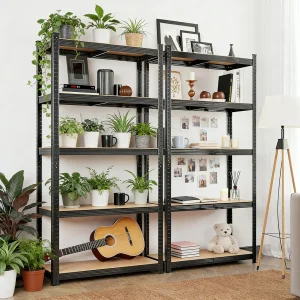
Commonly used in residential settings to organize heavy tools, vehicle supplies, and household storage. Typically uses powder-coated steel uprights paired with durable MDF shelving decks for a clean finish.
Ideal for small items, cosmetics, apparel, and electronics. The open design allows quick picking from all sides, making it perfect for integration into high-velocity logistics centers.
Uses fully galvanized or stainless steel components that resist rust in high-humidity or cold climates, preventing bacterial growth and meeting safety regulations.
A regional third-party logistics (3PL) provider needed to convert an old storage zone into a picking area for high-velocity DTC beauty products. The facility suffered from layout constraints and high humidity, which ruled out standard particle board shelving.
Guangdong Luyuan engineered a custom solution using hot-dip galvanized boltless shelving racks with adjustable metal panels rather than MDF. The zinc coating prevented oxidation in the unconditioned space, and the slotless design allowed the layout to be adjusted as package sizes changed. This modification helped increase picking rates by 35% and cut replenishment times in half.
How industry demands are driving innovations in smart tracking, eco-friendly coatings, and high-strength alloys.
The manufacturing sector for light-duty shelves is evolving beyond simple metal forming. Future innovations focus on sustainability and structural efficiency:
Traditional zinc plating and solvent-based powder coating processes face increasing environmental regulations. The next generation of industrial coatings utilizes bio-based resins and low-temperature curing powders, reducing energy consumption during manufacturing by up to 25% while maintaining excellent corrosion resistance.
By shifting production toward HSLA steels, we can reduce overall steel thickness while maintaining high load capacities. This lowers raw material weight and shipping costs, reducing the carbon footprint of global shipping without compromising structural integrity.
Modern light-duty shelving is starting to integrate electronic picking systems. This includes slotting digital pick-to-light LED indicators directly into the keyhole channels of the posts, helping warehouse staff quickly locate items and streamline high-volume fulfillment.
Answers to common structural and purchasing questions for logistics managers and procurement officers.
Select from our certified range of light-duty and modular boltless racking systems, optimized for global shipping.
 Luyuan Racks