Engineered with high-yield Q235B structural steel, finished with long-lasting powder coatings, and certified to meet stringent international warehouse storage standards.
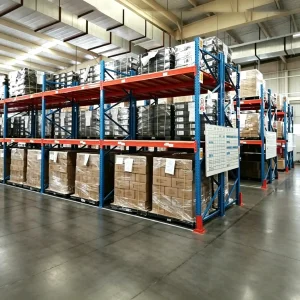
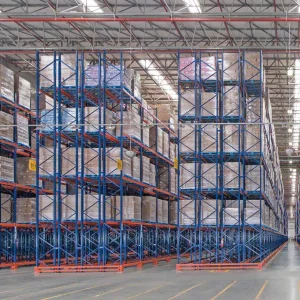
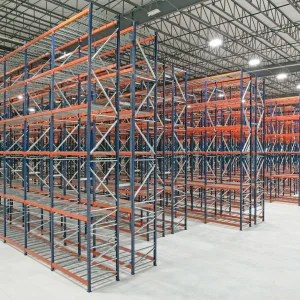
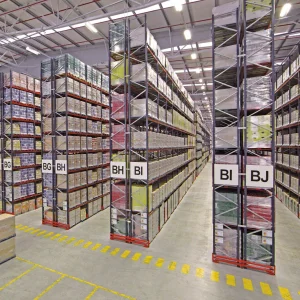
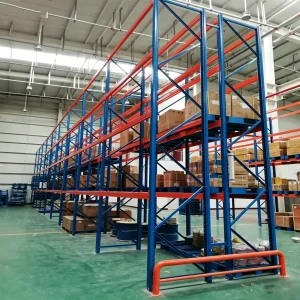
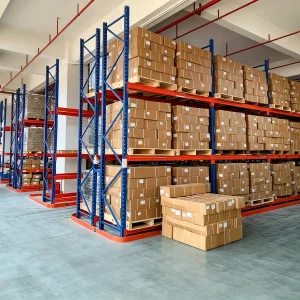
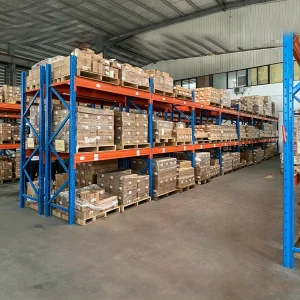
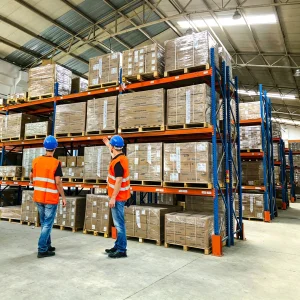
Modern industrial supply chains demand warehouse structures that support extreme weight capacities while ensuring seismic resilience and occupational safety. Pallet racking is no longer a simple metal framework; it is an engineered mechanical asset. System safety relies heavily on vertical frame deflection parameters, buckling resistance coefficients, and high-tensile connection nodes.
Standard storage systems utilize low-carbon structural steel alloys like Q235B or Q355B. These materials offer optimal tensile strength and elongation metrics, ensuring structural stability under high static and dynamic loading. Upright columns feature teardrop or selective slotting designed to form mechanical locks with load beams, preventing accidental disengagement caused by warehouse forklift handling error.
Under maximum structural load capacity, the elastic deflection of structural load beams must not exceed L/200 (where L is the beam length) according to the RMI (Rack Manufacturers Institute) standard. This limits dynamic deformation and guarantees that operations remain safe and predictable.
To optimize material thickness and reduce spatial footprints, manufacturers implement complex cold-formed steel sections. These include 11-fold and 13-fold profile rollings. This increases column moment-of-inertia, offering exceptional resistance to twisting and horizontal impacts.
A look at the logistical backbone and compliance standards that power our global manufacturing and distribution operations.
Established in 2016, Guangdong Luyuan Import and Export Trading Co., Ltd. is a leading warehouse storage rack manufacturer and global supplier. We specialize in industrial racking systems, warehouse shelving, and customized storage solutions. From structural design, roll-forming manufacturing, and precision robotic welding to final paint coating application, Luyuan operates under a strict, ISO-compliant production regime.
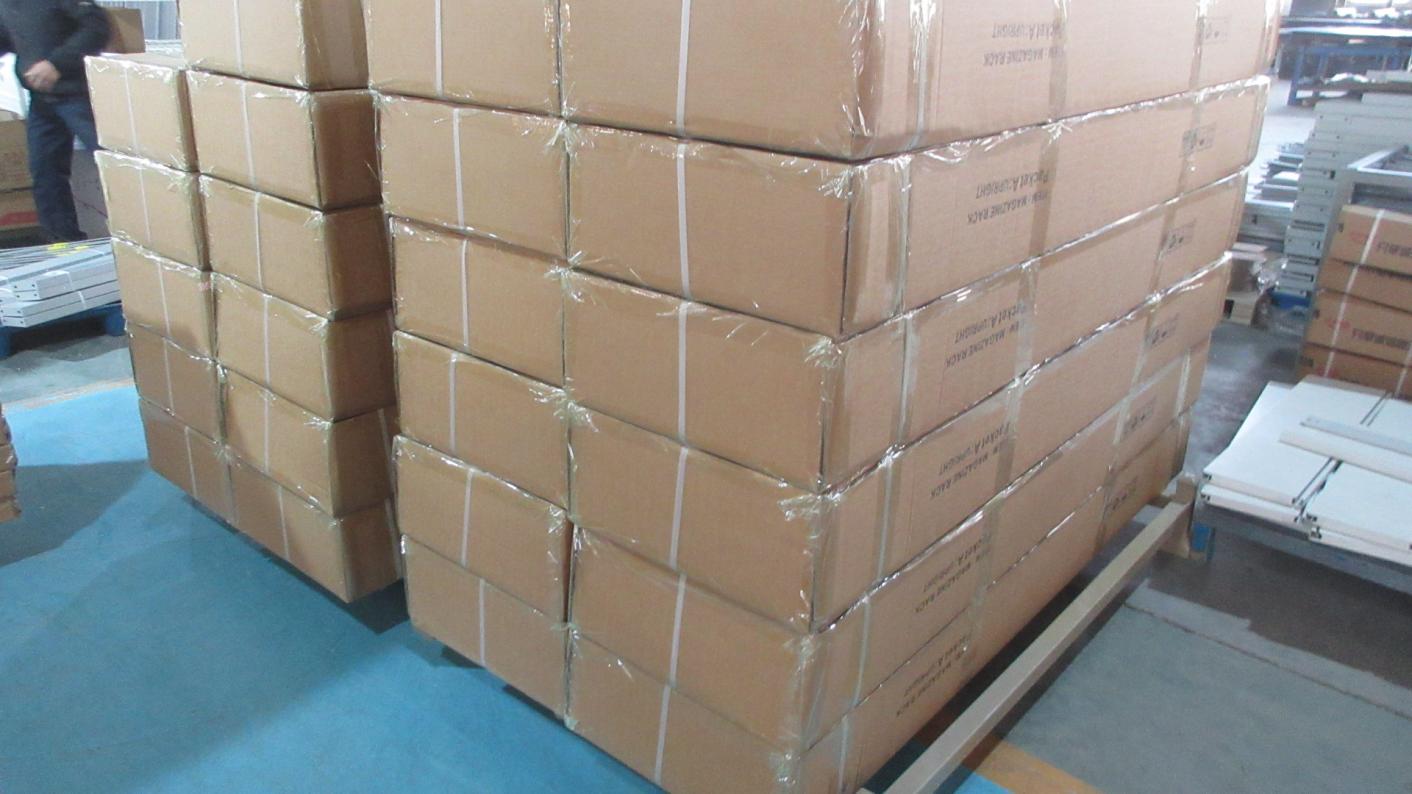
We maintain strategic supply-chain alliances with top-tier domestic steel mills. This guarantees the chemical consistency and structural grade of all incoming hot-rolled and cold-rolled steel coils. Our QA program requires testing from raw materials to final shipments, checking tensile strength, dimensional tolerances, weld depth, and coating adhesion. This ensures our products meet safety and performance standards worldwide.
Step-by-step documentation of our automated production workflow, utilizing advanced CNC bending, precision laser cutting, and automated powder-coating lines.
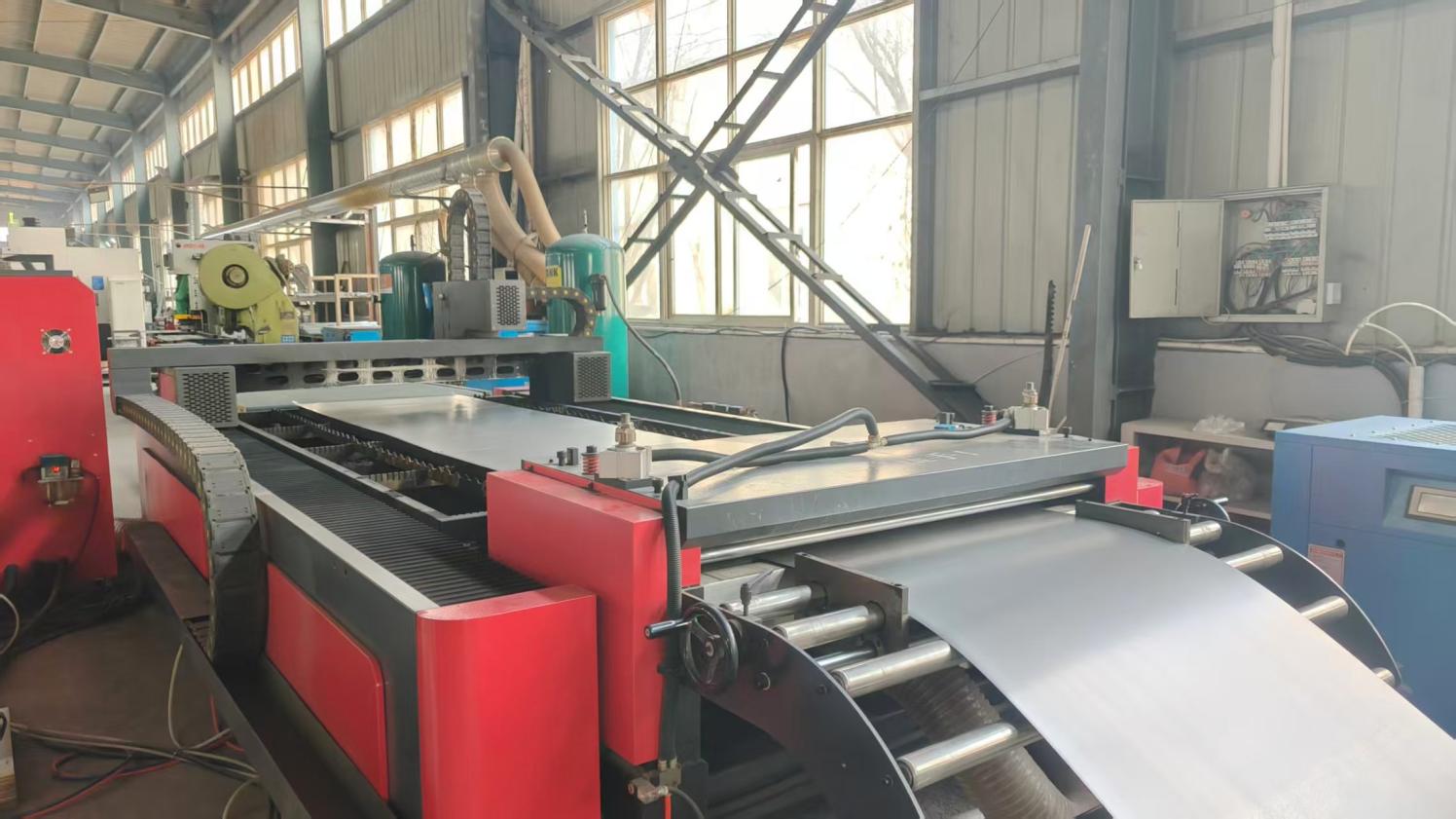
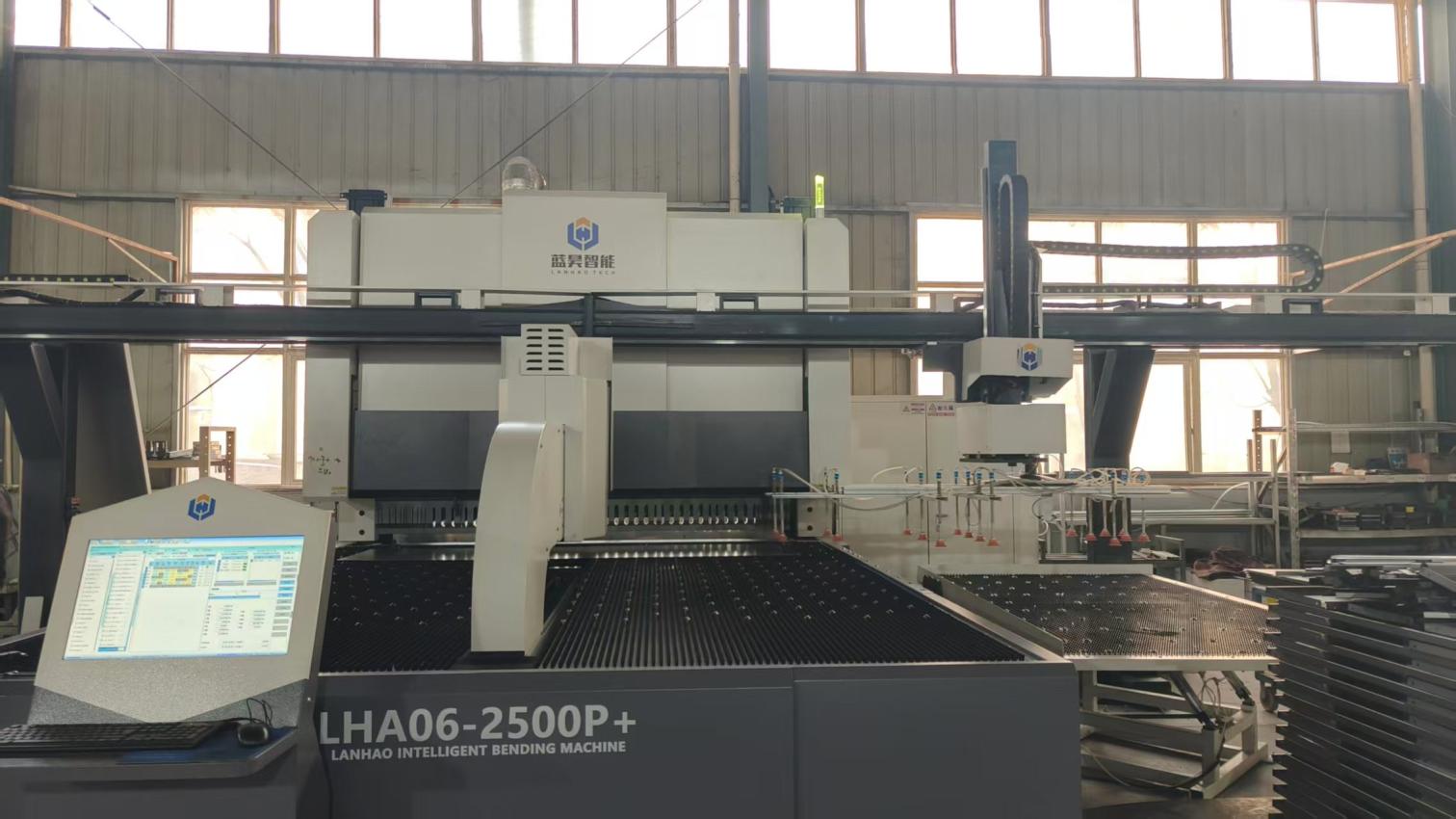
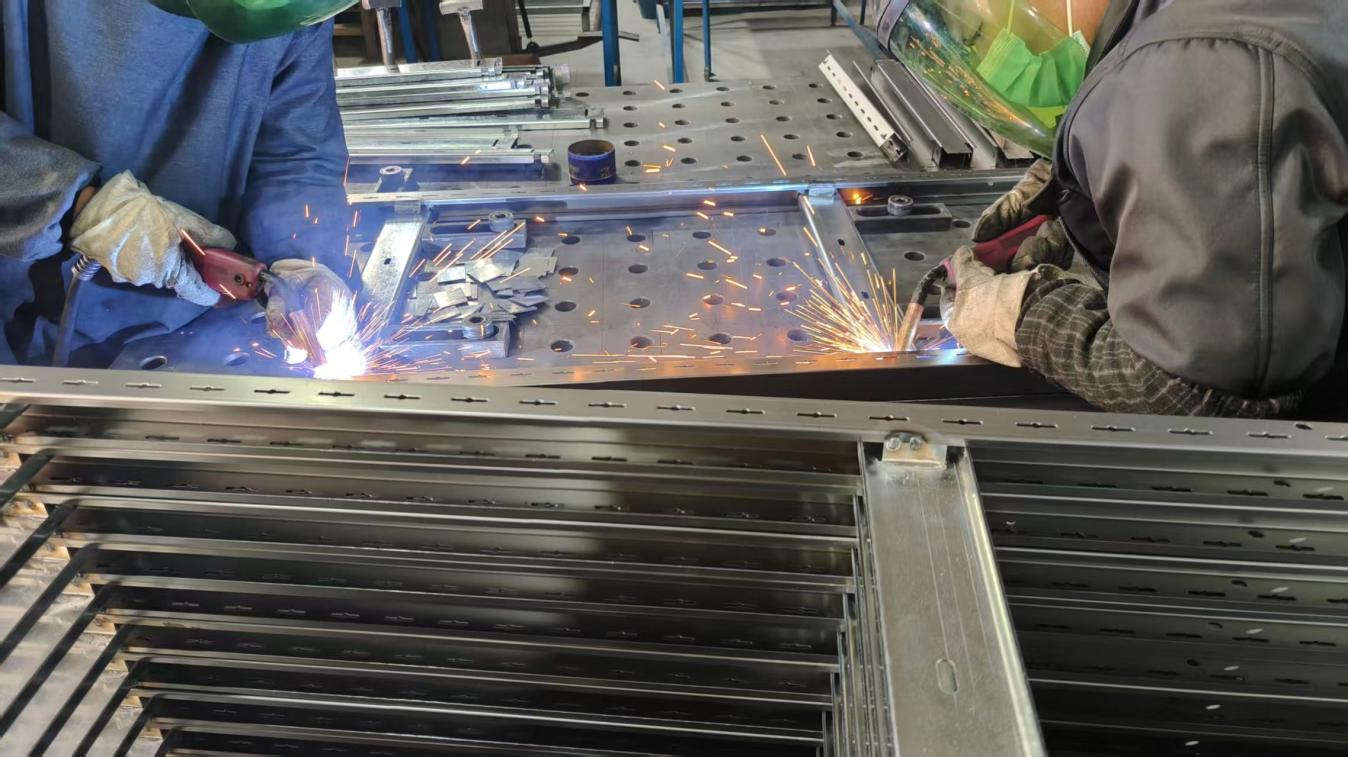
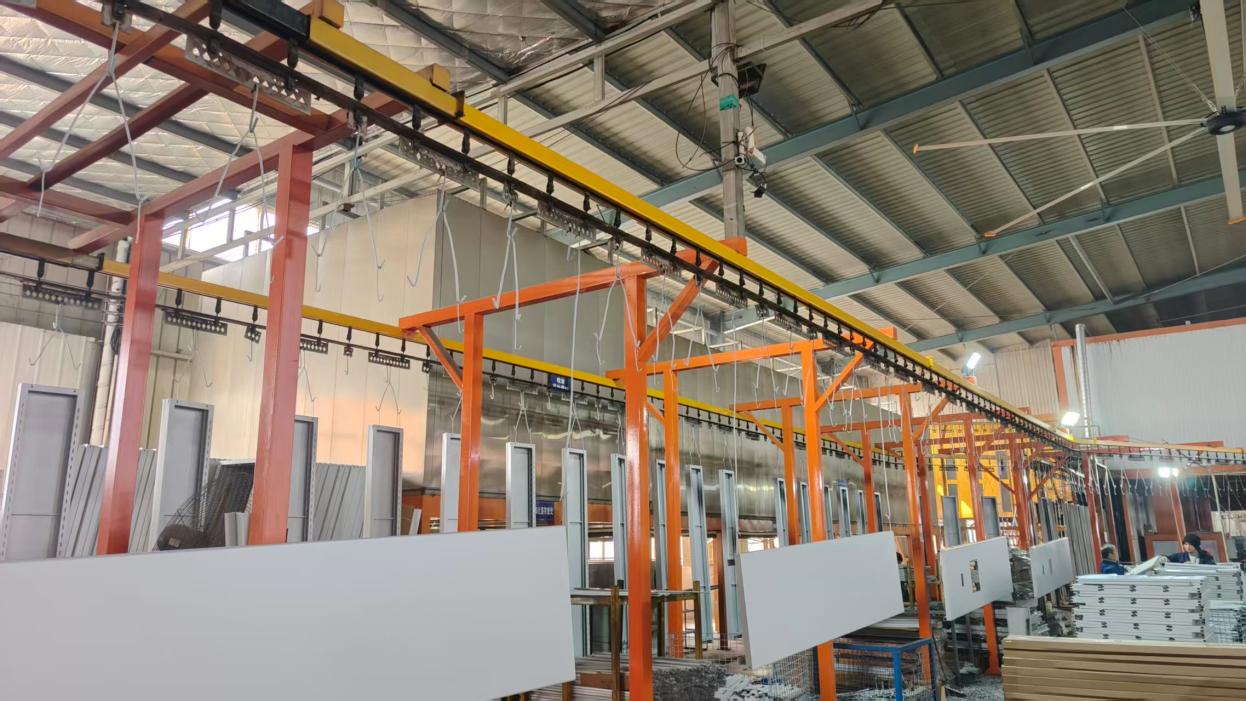
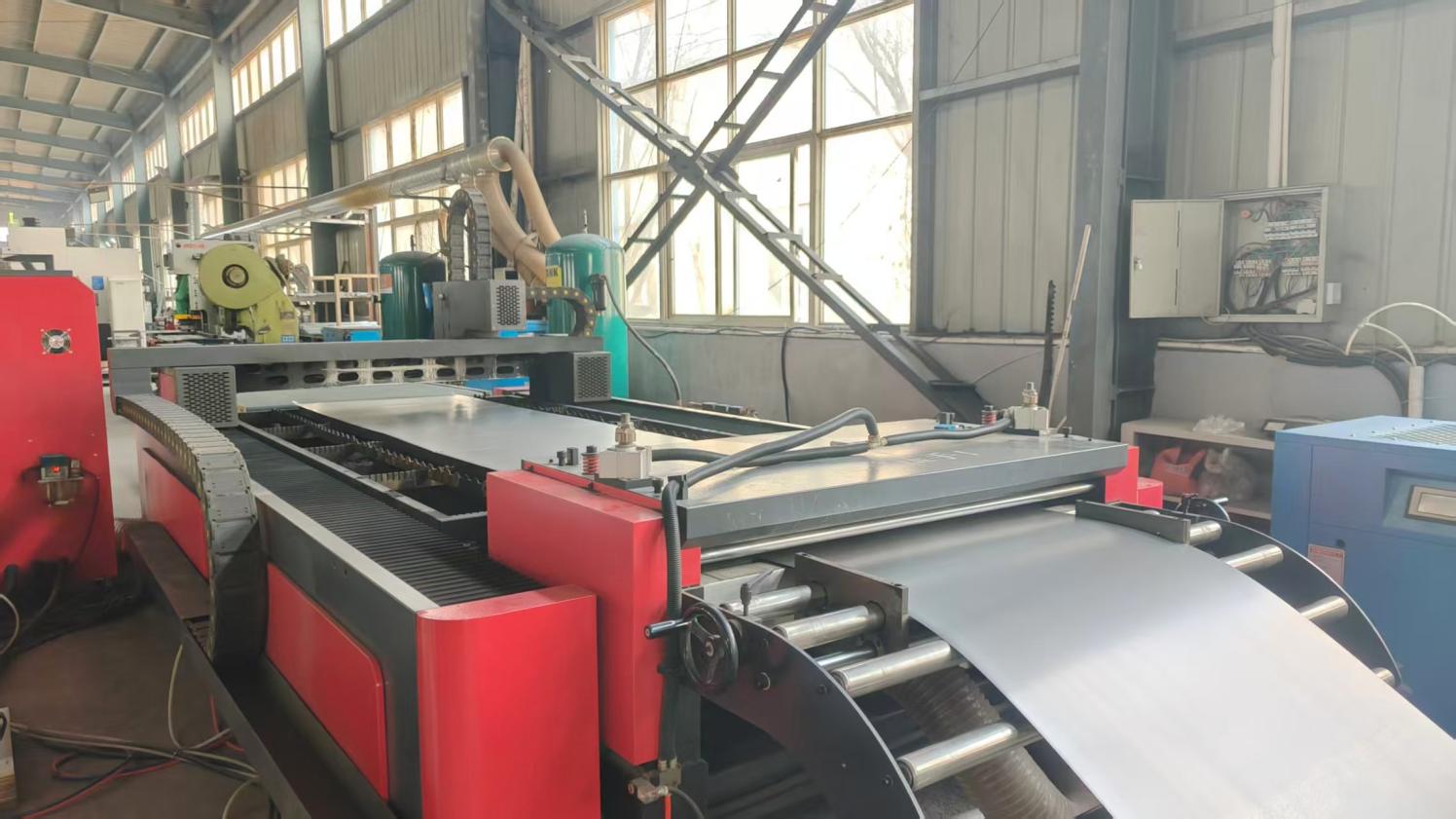
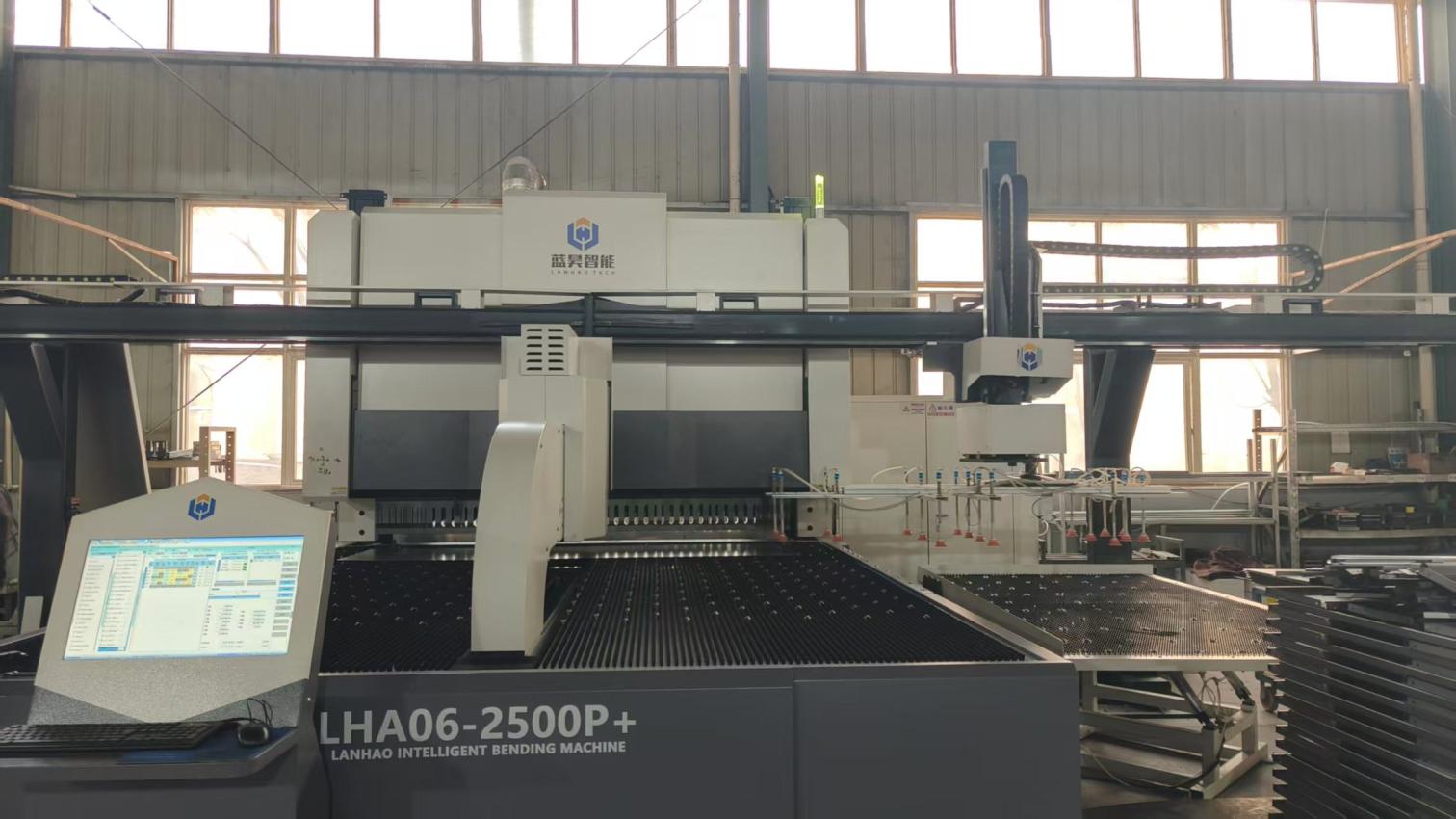
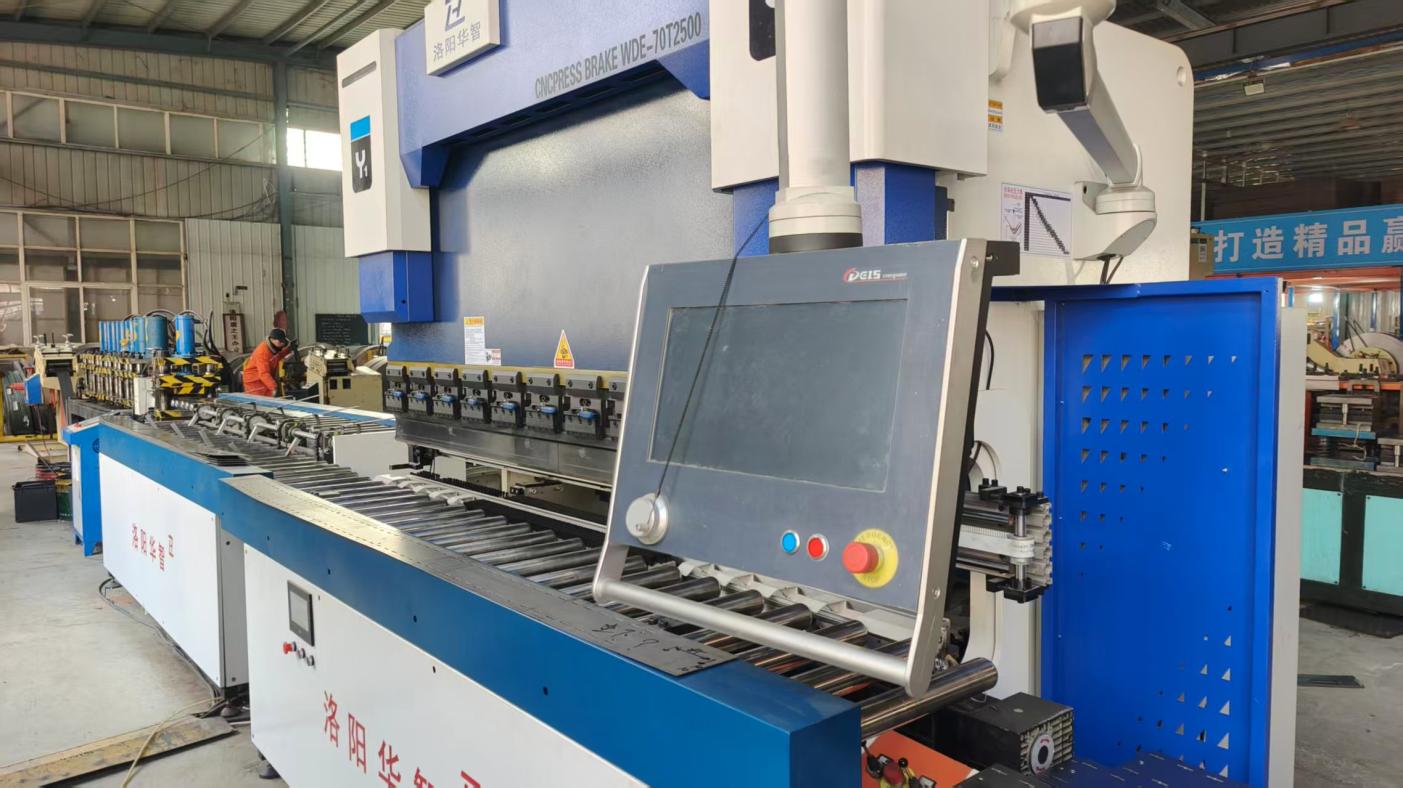
By using automated laser cutting and CNC multi-angle bending, Luyuan achieves processing precision with tolerances under ±0.1mm. This prevents cumulative structural offset during installation, ensuring perfectly level racking alignments even at towering heights over 15 meters.
Our surface finishing line uses an environment-safe pre-treatment washing process. This is followed by a thermosetting electrostatic powder coating. The resulting surface coating thickness ranges between 60μm and 80μm, providing high corrosion and impact protection. This makes Luyuan racking suitable for harsh industrial sites and cold storage logistics environments.
Every production batch undergoes a standard inspection sequence:
Industrial storage configurations must match operational demands. Different setups prioritize selectivity, high density, or fast throughput.
Operates in low temperatures down to -30°C. Requires steel with high low-temperature impact toughness. Drive-In and Mobile racking configurations optimize thermal volume efficiency, reducing structural running costs.
Requires high accessibility. Selective pallet racking systems allow 100% pallet availability. This design supports rapid picking operations and integrates with barcode inventory software.
Integrates with semi-automated radio shuttles and fully automated crane configurations. Requires high dimensional tolerances (±1mm) to prevent autonomous vehicle navigation stops.
As warehousing scales globally, racking designs must evolve toward digitization, carbon neutrality, and structural monitoring.
Future distribution centers will use dynamic strain gauges and wireless displacement sensors attached to structural upright columns. These IoT devices monitor structural stress in real-time, sending immediate alerts to floor managers if loading parameters are exceeded or if a forklift collision occurs.
By integrating these sensors, operators can shift from manual annual safety checks to predictive, real-time risk mitigation. This helps prevent catastrophic racking collapses and protects warehouse personnel.
To meet carbon neutrality targets, Luyuan is updating its pre-treatment and powder lines. We are shifting toward low-temperature curing, zinc-free phosphating primers, and organic powder alternatives. These processes significantly lower VOC emissions and chemical output during production.
This green manufacturing approach aligns with procurement guidelines from Fortune 500 corporations, who prioritize carbon-footprint reduction throughout their global supply chains.
Installing industrial storage racking systems often requires local building permits, seismic hazard assessments, and compliance structural calculations. Our design engineers assist global distributors and contractors by providing complete calculation packages, structural drawings, and load capacity certifications.
Our manufacturing and structural designs align with major global testing and engineering standards:
In seismic regions, racking systems are engineered with oversized baseplates, high-ductility connection anchors, and cross-braced upright frames. This configuration helps absorb ground acceleration forces during earthquakes, keeping structural stress within safe limits.
Luyuan uses structural analysis software to run simulated load cases. This includes assessing wind forces on rack-clad structures and evaluating horizontal forces under seismic conditions. These steps help ensure the system meets local safety regulations and code requirements.
Purchasing heavy-duty storage racks requires evaluating more than just the initial price. A complete assessment should look at logistics, setup costs, and long-term durability.
Shipping structural steel components can incur high freight costs. Luyuan engineers design nesting frames and knock-down components to maximize container space utilization, reducing per-unit shipping costs.
Coordinating warehouse builds requires predictable delivery dates. Luyuan manages production runs and maintains inventory reserves of raw steel. This helps stabilize lead times even during volatile supply chain periods.
Detailed layout drawings, structural schematics, and component labels help local crews install systems correctly. Precise fits reduce on-site modifications and installation errors.
Answers to technical questions from warehouse managers, structural engineers, and logistics procurement teams.
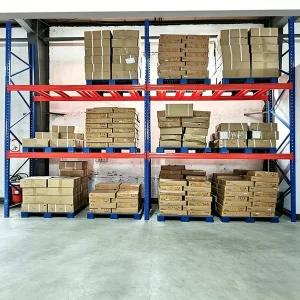
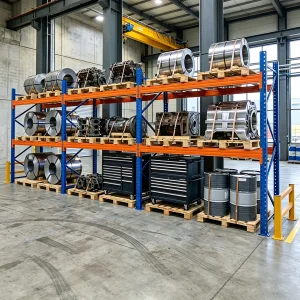
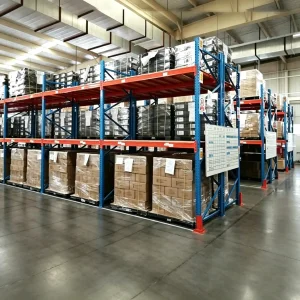
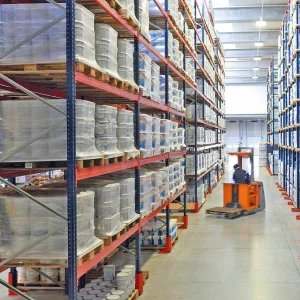
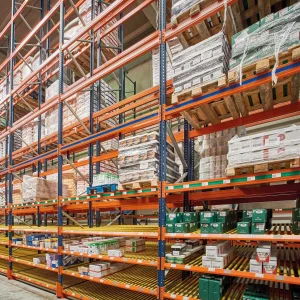
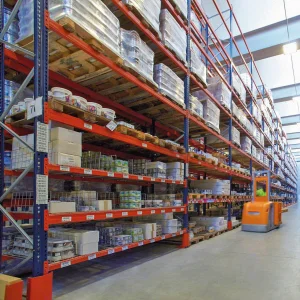
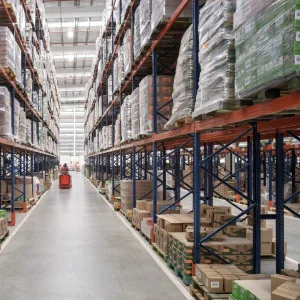
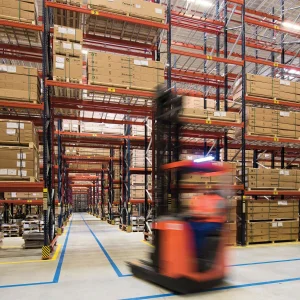
Explore our specialized storage systems, designed to maximize space and support high capacities in diverse warehouse settings.
 Luyuan Racks