Engineered for high structural stability, optimal floor utilization, and minimized environmental impact.
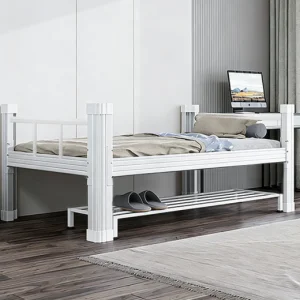
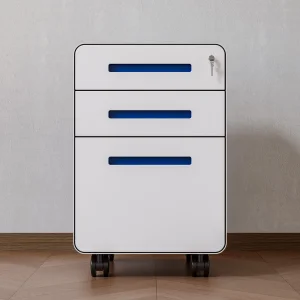
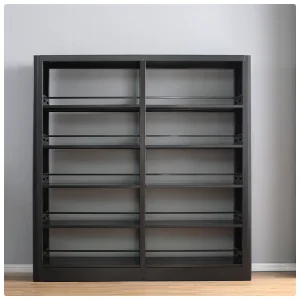
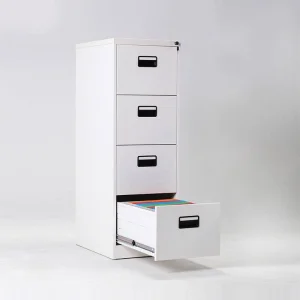
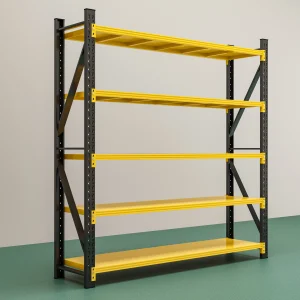
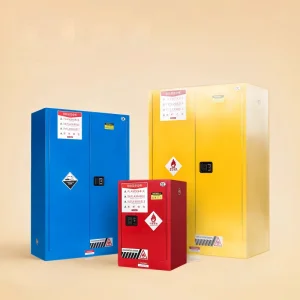
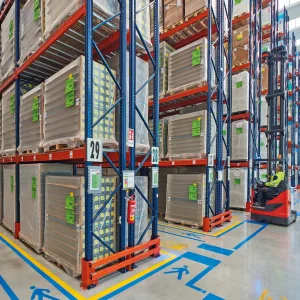
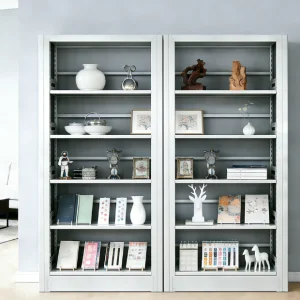
A strategic partner in industrial metallurgy, global logistics architectures, and carbon emission reductions.
Guangdong Luyuan Import and Export Trading Co., Ltd. has established itself as an authoritative global manufacturer of warehouse storage systems. Founded in 2016 and leveraging over 12 years of core industry experience, we operate an state-of-the-art 18,000㎡ manufacturing facility. In an era driven by global decarbonization targets and strict Scope 3 ESG (Environmental, Social, and Governance) audits, structural racking is no longer viewed simply as cold metal. It is a critical node in sustainable supply chain engineering.
Traditional structural racking manufacturing is resource-intensive and has a high carbon footprint due to high thermal processes and non-recyclable powder coatings. Luyuan has successfully altered this paradigm. By employing high-yield recycled Q235B and Q355B structural steel, coupled with low-VOC, zero-emission electrostatic powder coatings, we provide international markets with storage solutions that decrease carbon footprints without compromising structural integrity or load-carrying capacity.
Our annual export revenue has consistently reached USD 12 million, demonstrating our capability to deliver reliable warehouse storage systems to highly regulated markets. Our global export footprints cover major economic hubs, including the United States, Germany, Australia, Saudi Arabia, Thailand, and Brazil. Our product line comprises heavy duty pallet racks, selective cantilever racks, complex multi-tier mezzanine configurations, and specialized school and office storage solutions.
By coordinating with more than 850 strategic supply chain partners—ranging from primary green steel producers to international freight forwarders—we guarantee structural continuity, minimal delivery delay, and high anti-corrosion metrics for every racking system shipped. We act as a core OEM/ODM solution provider for third-party logistics (3PL) providers, retail chains, and heavy industrial operations globally.
Combining automated CNC machining, robotic welding, and ecological surface protection under a unified control matrix.
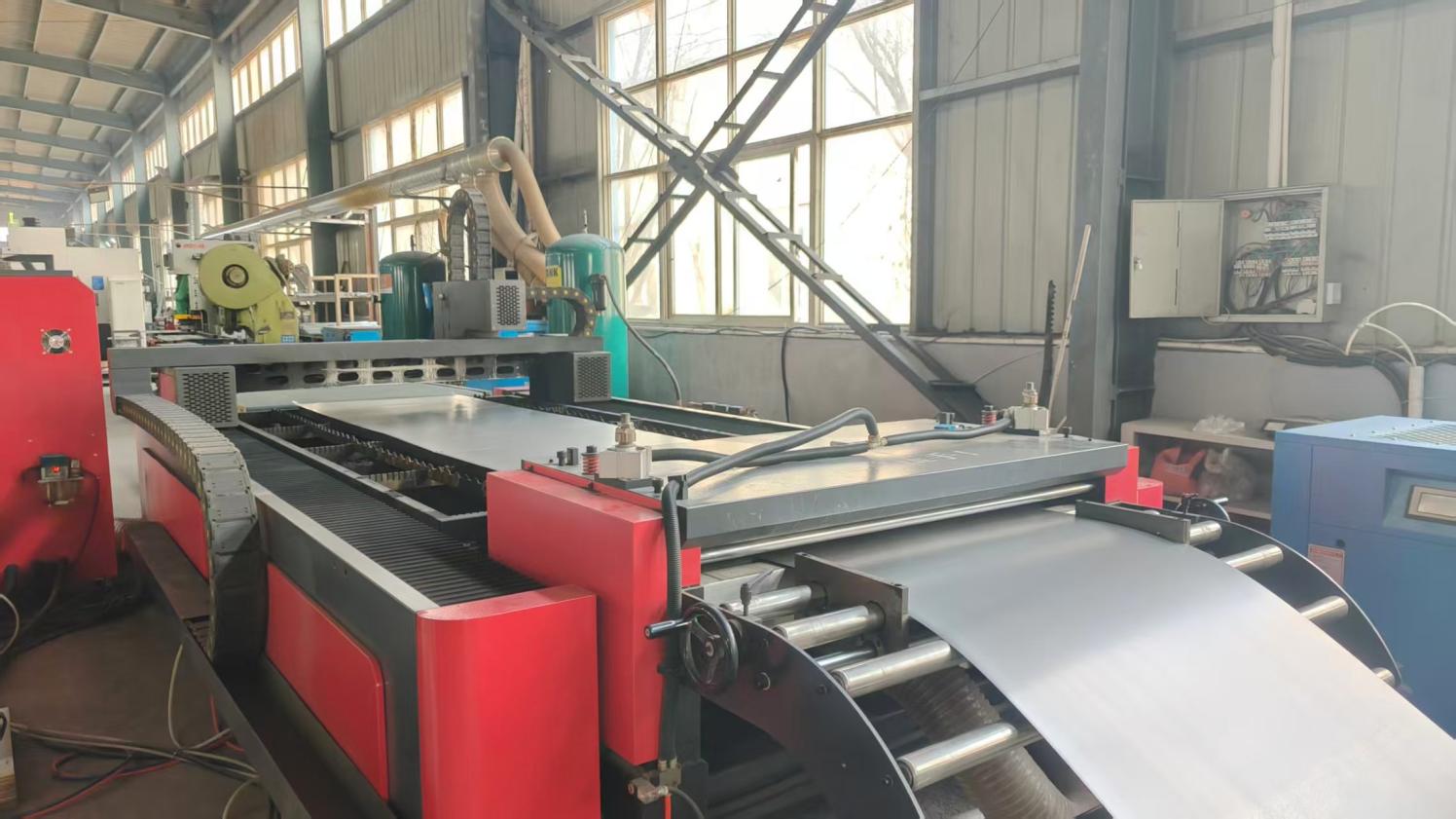
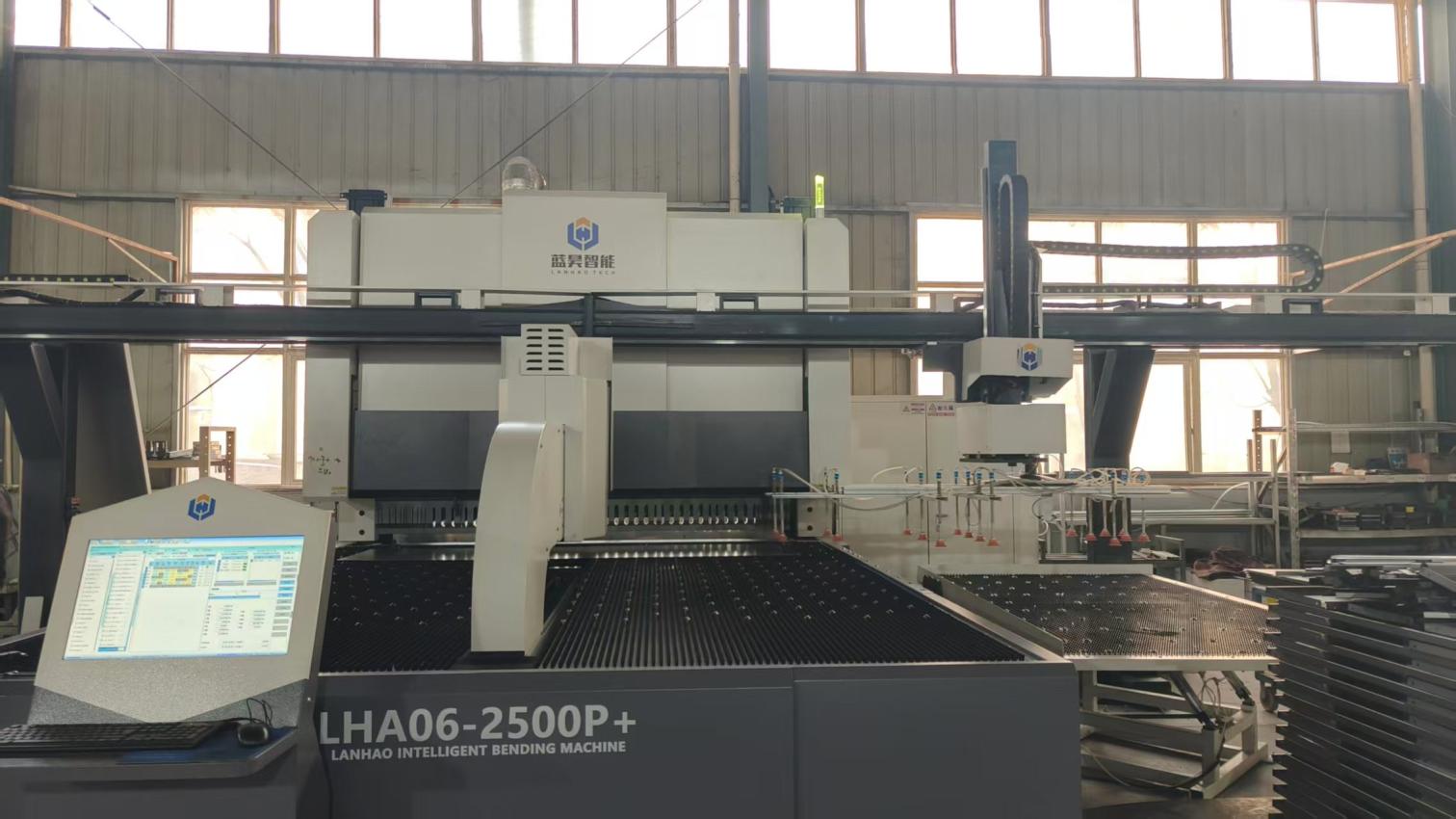
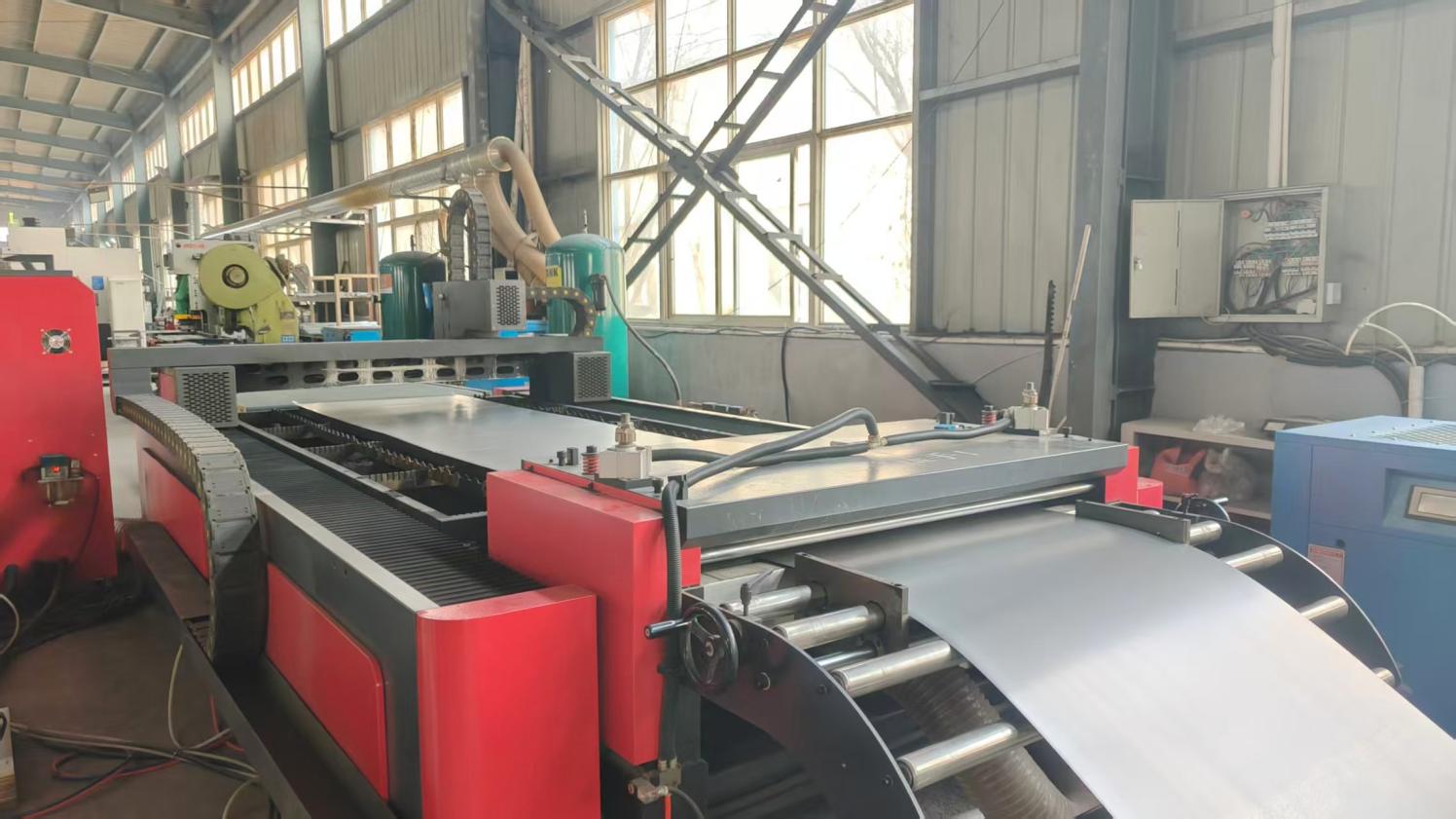
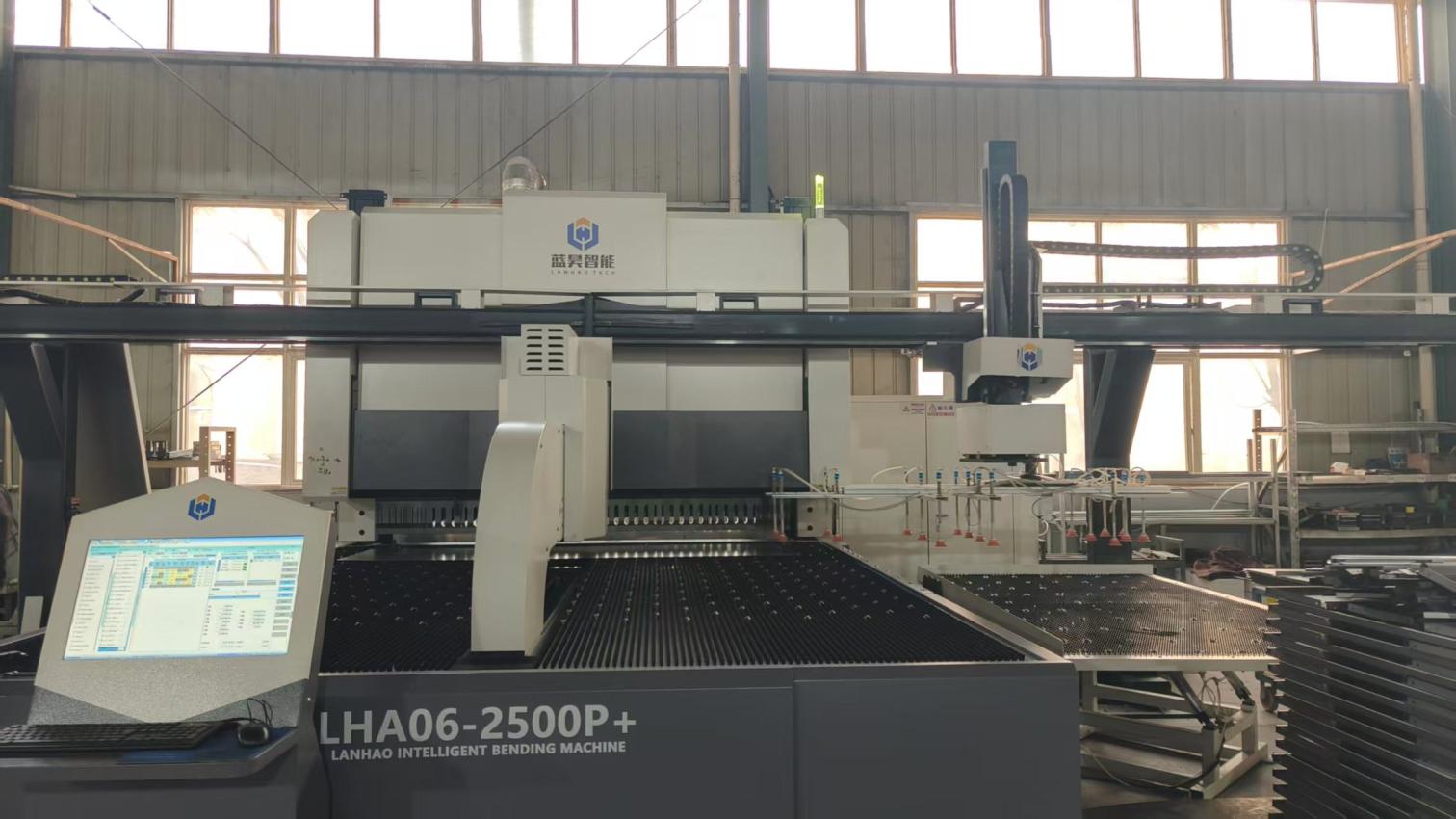
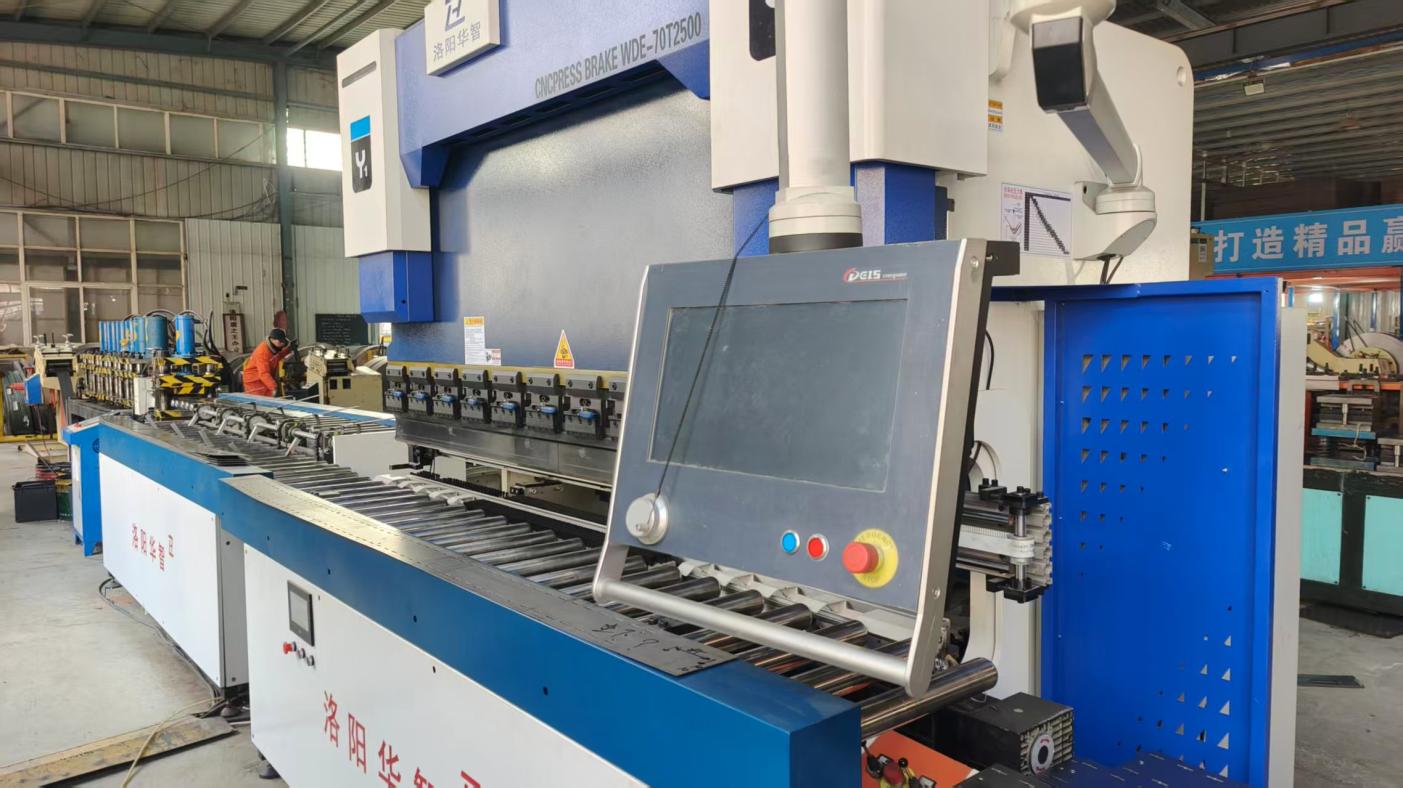
Our Factory 4.0 infrastructure leverages advanced automated production techniques to maximize resource utilization and decrease manufacturing waste. Our process begins with high-precision Laser Cutting Machines and CNC Bending Machines, which analyze profile dimensions in real-time to minimize scrap metal. Any remaining structural offcuts are systematically collected and returned to primary metallurgical ovens for closed-loop recycling.
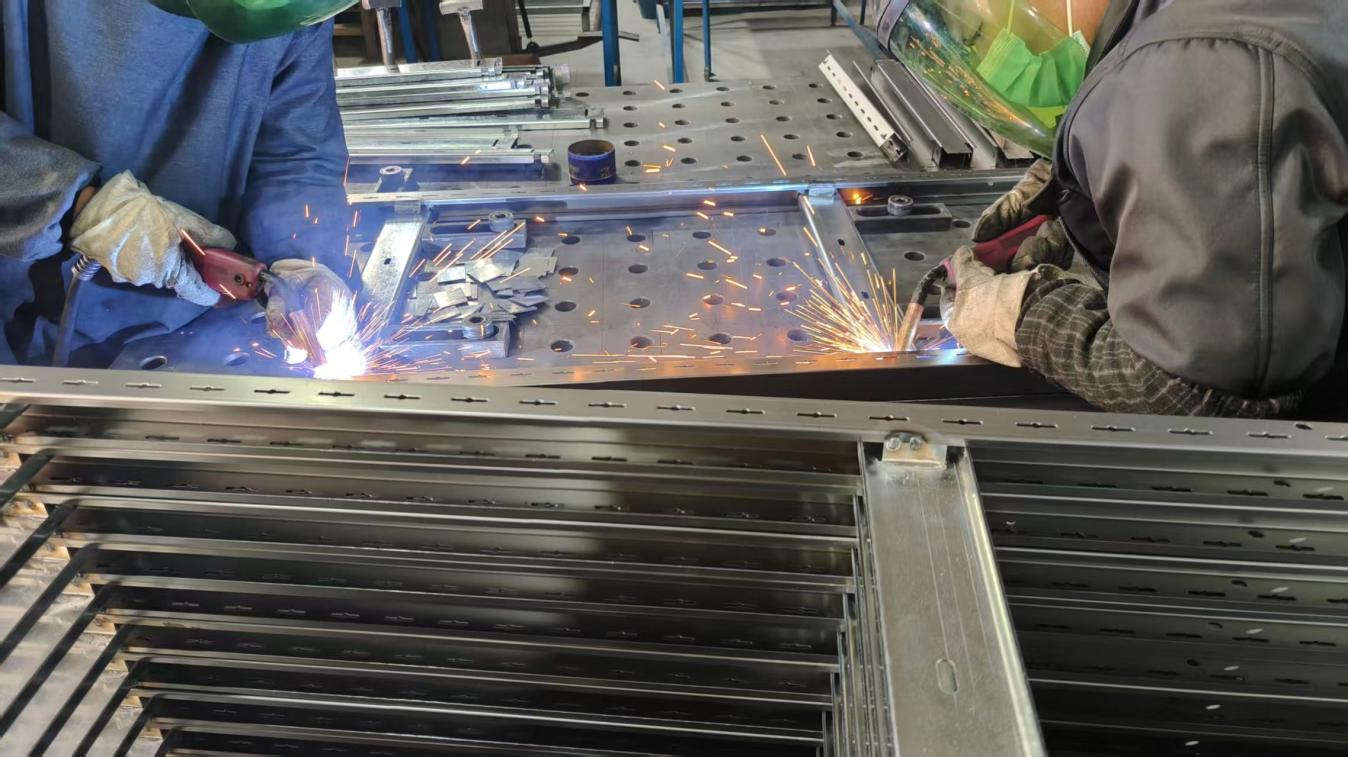
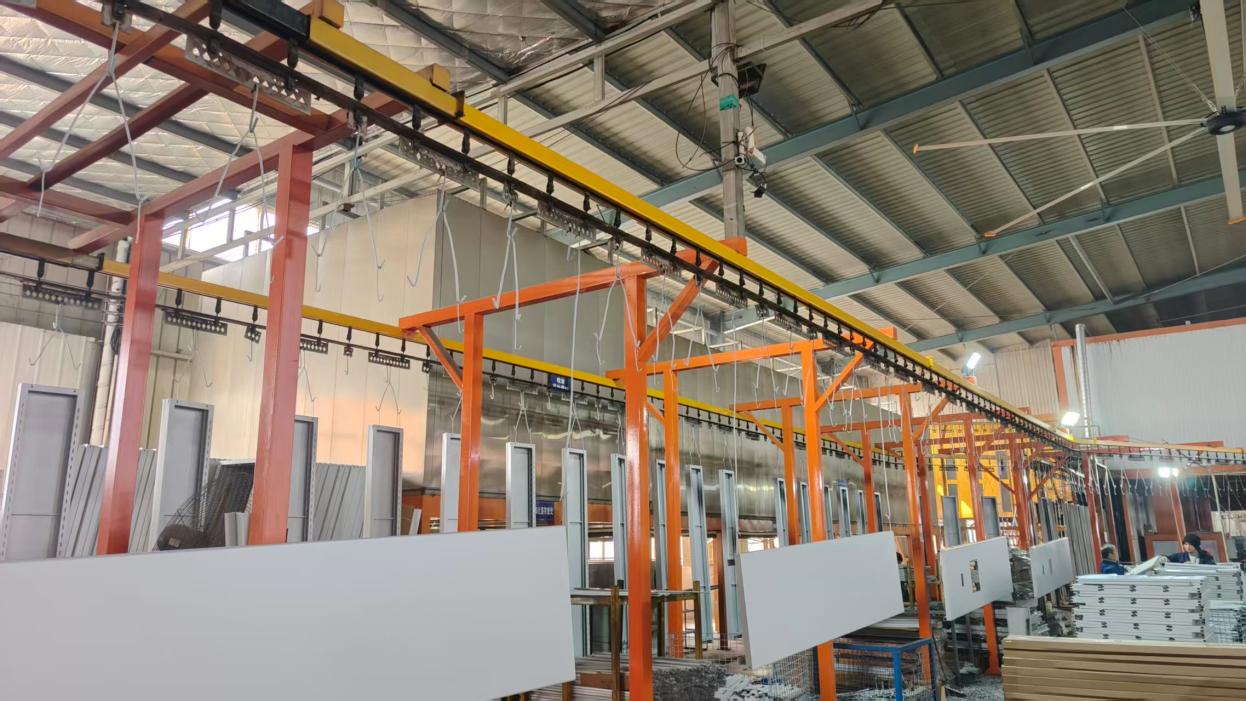
During the automated welding phase, robotic welding units produce strong and uniform welds that prevent stress concentration points under heavy loads. The surface treatment line is a key part of our eco-friendly design: we use a multi-stage closed-loop water treatment system that prevents industrial chemical runoff. Our electrostatic powder coating process uses heavy-metal-free and solvent-free raw materials, resulting in a durable, scratch-resistant surface with minimal VOC emission.
Every load-bearing component is made from traceable, high-strength structural carbon steel. This high-density crystal structure allows for a thinner gauge while retaining comparable load capabilities, reducing structural steel mass and carbon footprints by up to 15% per square meter of storage volume.
How Luyuan is integrating AI diagnostics, high-strength lightweight alloys, and circular design principles.
Our research and development program focuses on dematerialization—using higher strength steels to carry greater loads with less deadweight. We are working on integrating advanced micro-alloyed steel compounds that increase yield strength while decreasing the overall mass of the profiles. This allows us to reduce raw material demand and transport-related carbon emissions.
In partnership with polymer laboratories, we are developing bio-based powder coatings made from agricultural waste resins. These coatings perform similarly to petrochemical-based options while reducing reliance on fossil resources. We are also researching self-healing additives that can close micro-fissures in the coating automatically, preventing structural rust and extending product lifecycles in humid conditions.
Future logistics infrastructures will require real-time status reporting. Our upcoming smart racking systems will include integrated piezoelectric sensors. These micro-sensors monitor strain, physical impacts, and vertical deviation, alerting facility managers of overloading or accidental collisions before structural failure occurs, improving safety in automated distribution hubs.
Tailored configurations designed to satisfy corporate environmental policies and global safety standards.
Industrial warehousing is shifting to align with international climate targets, such as the European Green Deal and Science Based Targets initiative (SBTi). Multinational companies are auditing their suppliers to ensure all physical assets meet strict carbon and environmental standards. Our structural racking designs assist customers in achieving these goals in three primary areas:
Highly modular selective pallet racks and multi-tier mezzanine floors optimize vertical space. Maximizing storage density per cubic meter reduces the overall physical footprint, land clearing requirements, and heating/cooling energy loads for warehouse facilities.
Refrigerated and frozen distribution centers are energy-intensive. Our high-density shuttle racking systems and drive-in configurations maximize space utilization, reducing cold air loss, thermal dissipation, and overall refrigeration energy costs.
For dynamic load demands, we offer cantilever structures and heavy-duty die racks. Made from high-yield steel profiles, they provide structural safety and reliability under heavy loads, ensuring safe operation in demanding manufacturing environments.
Ensuring compliance with regional safety and load calculations, supported by localized documentation and engineering assistance.
Our quality control team consisting of 45 specialized engineers monitors the entire production cycle to ensure all structural members meet our standards before shipping. Our verification protocol includes:
Safety regulations for structural racking vary by region. Standard configurations may not meet local requirements. Luyuan engineers systems to comply with major international specifications:
We provide calculation reports, CAD floor layouts, and installation manuals, simplifying local permitting processes for warehouse operators.
Evaluating long-term performance, shipping logistics, and structural safety to optimize warehouse investments.
Procurement teams often focus solely on initial capital expense (CapEx). However, structural racking is a long-term asset. When evaluating storage systems, it is important to consider the Total Cost of Ownership (TCO).
Lower quality systems can suffer from coating peeling, weld failures, or buckling under forklift impact, leading to downtime and replacement costs. Luyuan designs durable, eco-friendly systems that require less maintenance over a longer service life, reducing operational costs.
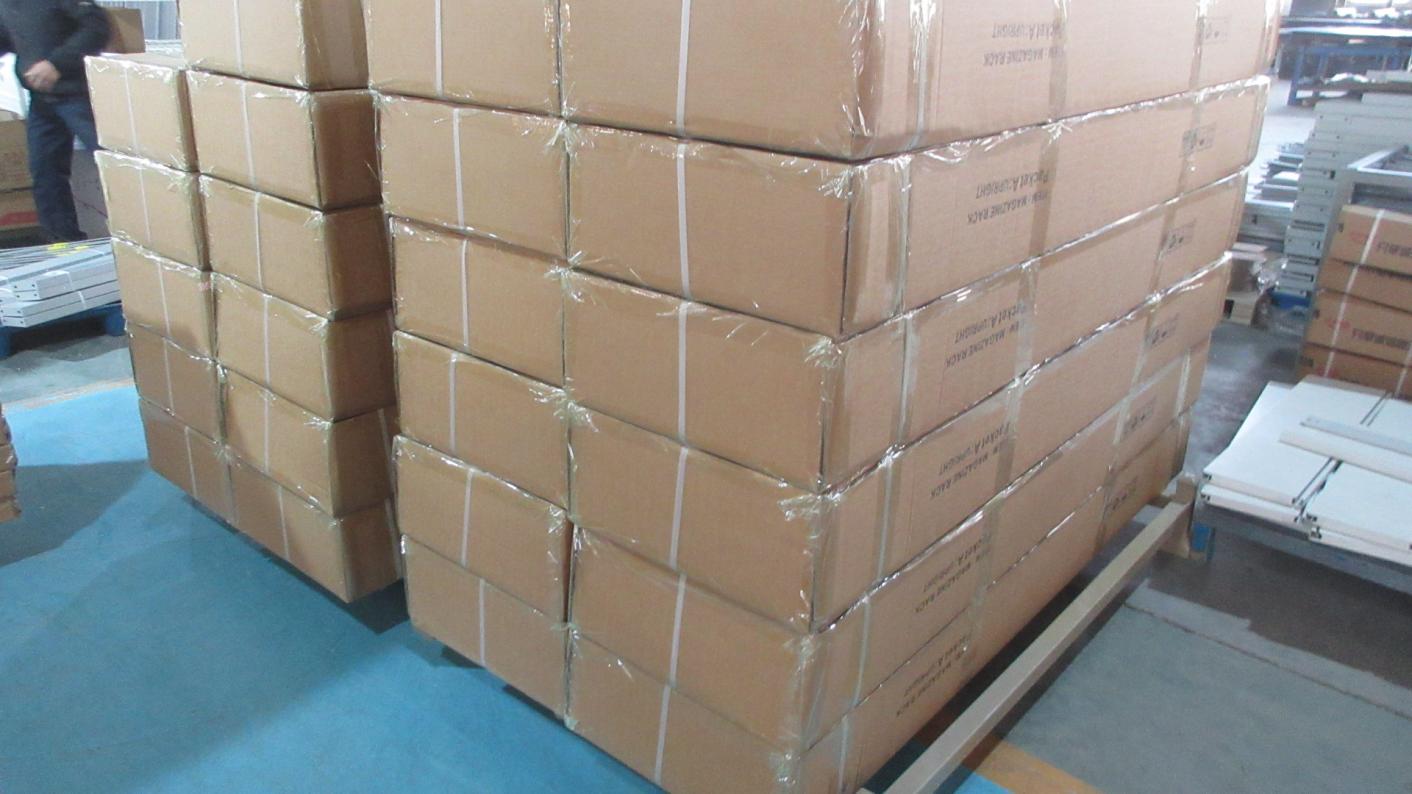
International shipping costs can impact procurement budgets. To maximize container load efficiency, Luyuan utilizes flat-pack methods and custom steel shipping frames.
This approach protects components from scratch damage during transit and maximizes container space utilization, reducing per-unit shipping costs and transport-related emissions.
As logistics facilities integrate Automated Storage and Retrieval Systems (ASRS), structural tolerances become much tighter. Standard manual-loading racks may not meet the precision required for robotic systems.
Our automated production processes ensure consistent manufacturing tolerances, providing the stability and precision needed for seamless integration with automated handling equipment.
Providing clear and detailed answers to common questions about industrial racking systems, compliance, and eco-friendly manufacturing.
Industrial racking systems are considered eco-friendly when they incorporate sustainable design and manufacturing principles. This includes using recycled structural steel (which requires less energy to process than virgin ore), applying solvent-free, zero-VOC powder coatings, and utilizing energy-efficient manufacturing processes. Additionally, modular designs that can be reconfigured or recycled at the end of their lifecycle contribute to a circular economy.
No, recycled steel does not mean lower quality. The structural steel (such as Q235B and Q355B) used in our manufacturing process undergoes refinement and metallurgical testing. The mechanical properties, tensile strength, and yield limits are certified to meet international standards. This ensures the load-bearing capacity and structural safety are comparable to systems made from virgin steel.
Luyuan designs and manufactures storage systems in compliance with key international standards. These include the Rack Manufacturers Institute (RMI) and ANSI MH16.1 specifications for the United States, the EN 15512 and FEM regulations for Europe, and the AS 4084-2012 safety standards for Australia. We provide structural calculations to help clients obtain local building permits.
We apply a multi-stage electrostatic powder coating. Before spraying, the steel undergoes pre-treatment processes, including degreasing and phosphating, to ensure proper paint adhesion. The resulting thermo-cured epoxy coating provides barrier protection against moisture and chemical exposure, preventing rust and prolonging the service life of the racks in humid or temperature-controlled environments.
Yes. Our engineering department uses CAD and structural design software to analyze the seismic and dynamic wind conditions of the installation site. We customize component sizes, beam connections, and anchor plates to ensure the structural integrity of the racking system under local environmental loads.
Our standard production lead time is 20 to 30 days from final design approval, depending on the order size and structural complexity. Because we manage the manufacturing process in-house and maintain strategic partnerships with primary steel mills, we can provide consistent production schedules and reliable delivery times.
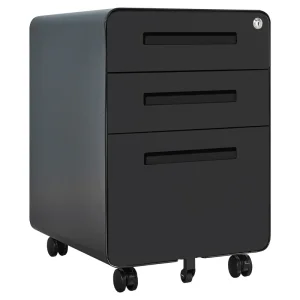
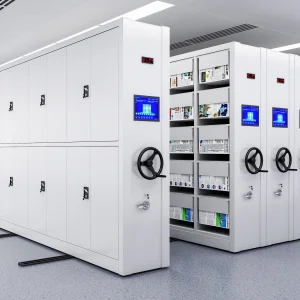
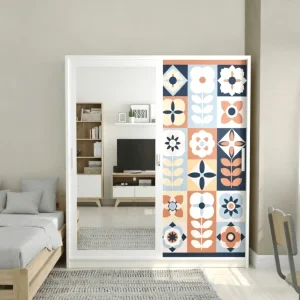
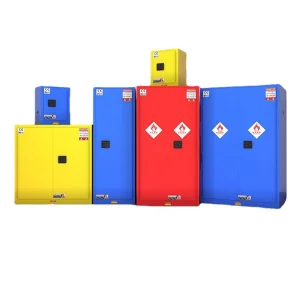
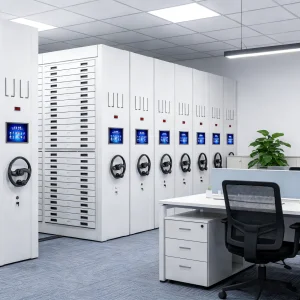
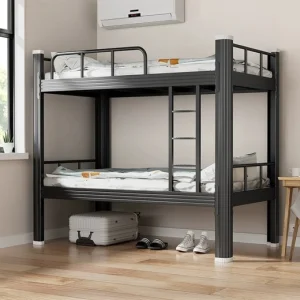
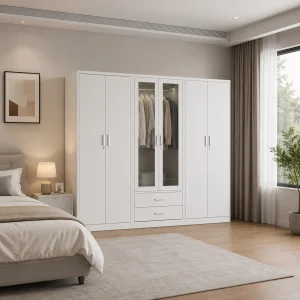
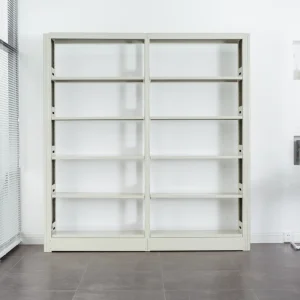
A comprehensive selection of functional designs for office, industrial, educational, and institutional environments.
 Luyuan Racks