A comprehensive analysis of high-density dynamic racking engineering, global logistics trends, and manufacturing capabilities.
Live storage racks, also known as gravity flow racks, represent a major shift in storage efficiency. Using dynamic mechanics, these systems use inclined roller tracks or wheel conveyor beds set at specific slopes. This setup allows palletized loads or carton configurations to slide by gravity from the loading (entry) face to the picking (exit) face. This design naturalizes the First-In, First-Out (FIFO) inventory workflow, which is vital for handling time-sensitive materials, perishable products, and high-velocity consumer goods.
By splitting loading zones from picking zones, live storage systems reduce internal transport times, lower energy costs, and boost overall safety by keeping forklift paths separate from pedestrian picking zones.
As logistics operations shift toward automation, warehouse managers need high-performance racking systems that handle heavy dynamic loads, provide precise speed control, and integrate smoothly with automatic retrieval systems. Guangdong Luyuan Import and Export Trading Co., Ltd. leads this space, offering reliable structural engineering, flexible OEM/ODM options, and cost-effective production to meet these demands.
Since 2016, Guangdong Luyuan Import and Export Trading Co., Ltd. has established itself as an innovative manufacturer and exporter of warehouse storage racks and industrial shelving systems. Our facility bridges advanced structural engineering with global trade requirements.
Our dedicated engineering department, with 28 R&D engineers, works on structural load calculations, custom profile designs, and optimizing warehouse layouts using CAD and SolidWorks.
Our 45-member QA team manages inspections from raw material verification (Q235B/Q355B steel) to welding checks, load-bearing tests, and powder coating durability assessments.
With an annual export value of USD 12 million, we deliver solutions compliant with European (EN 15512), American (RMI), and Australian (AS4084) standards.
We utilize state-of-the-art automated machinery to ensure millimeter-level accuracy and structural safety across all racking parts.
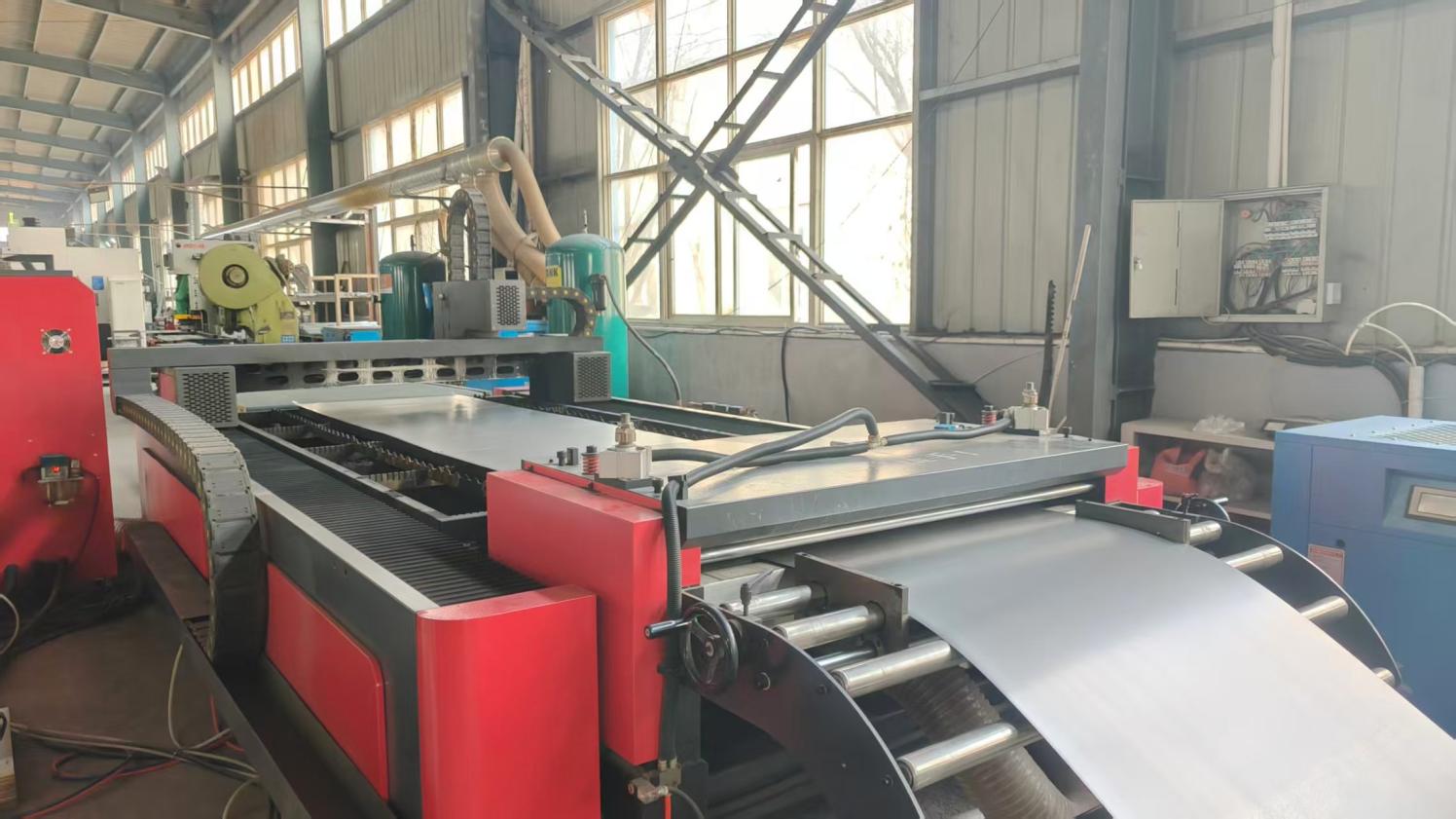
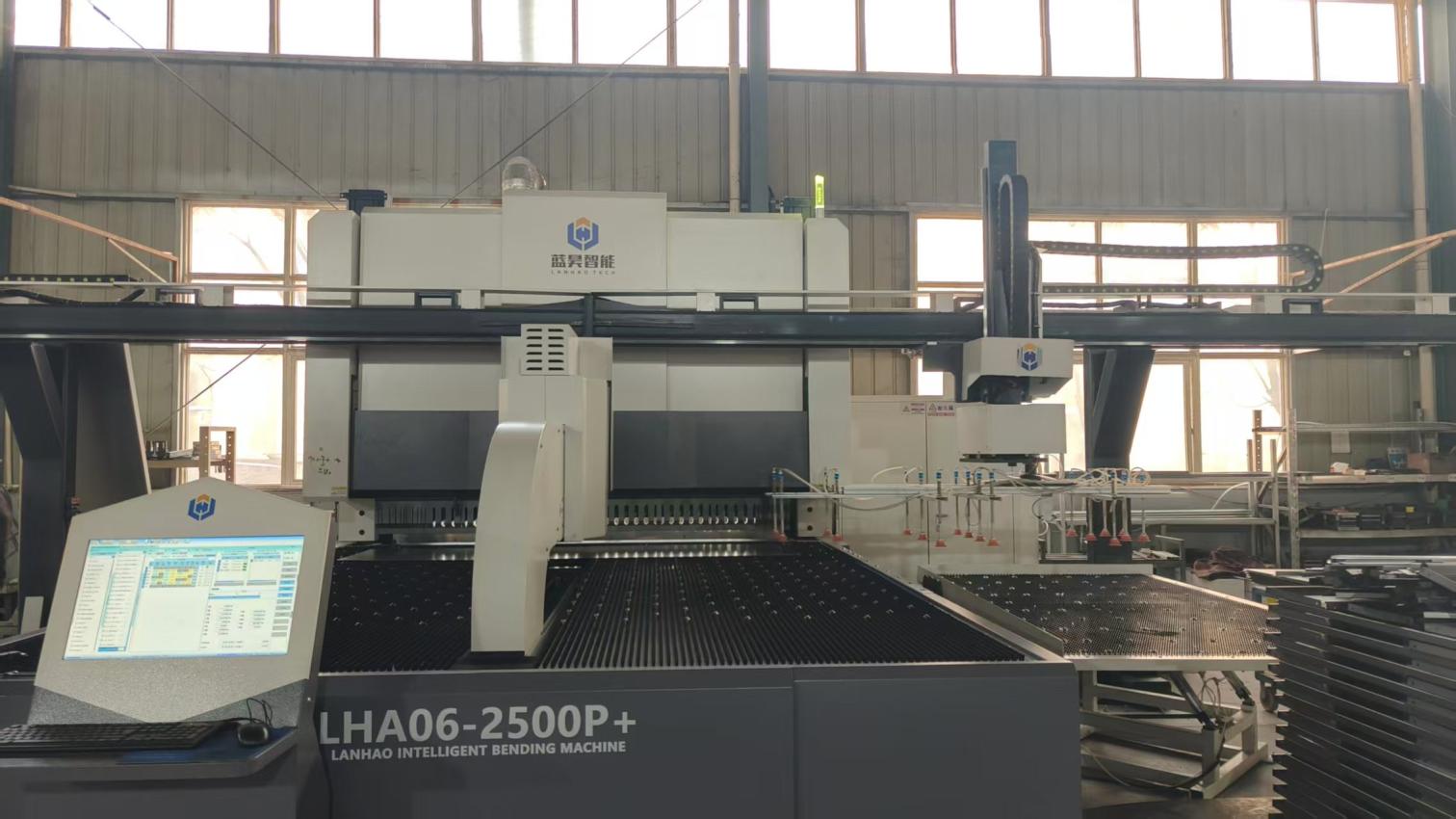
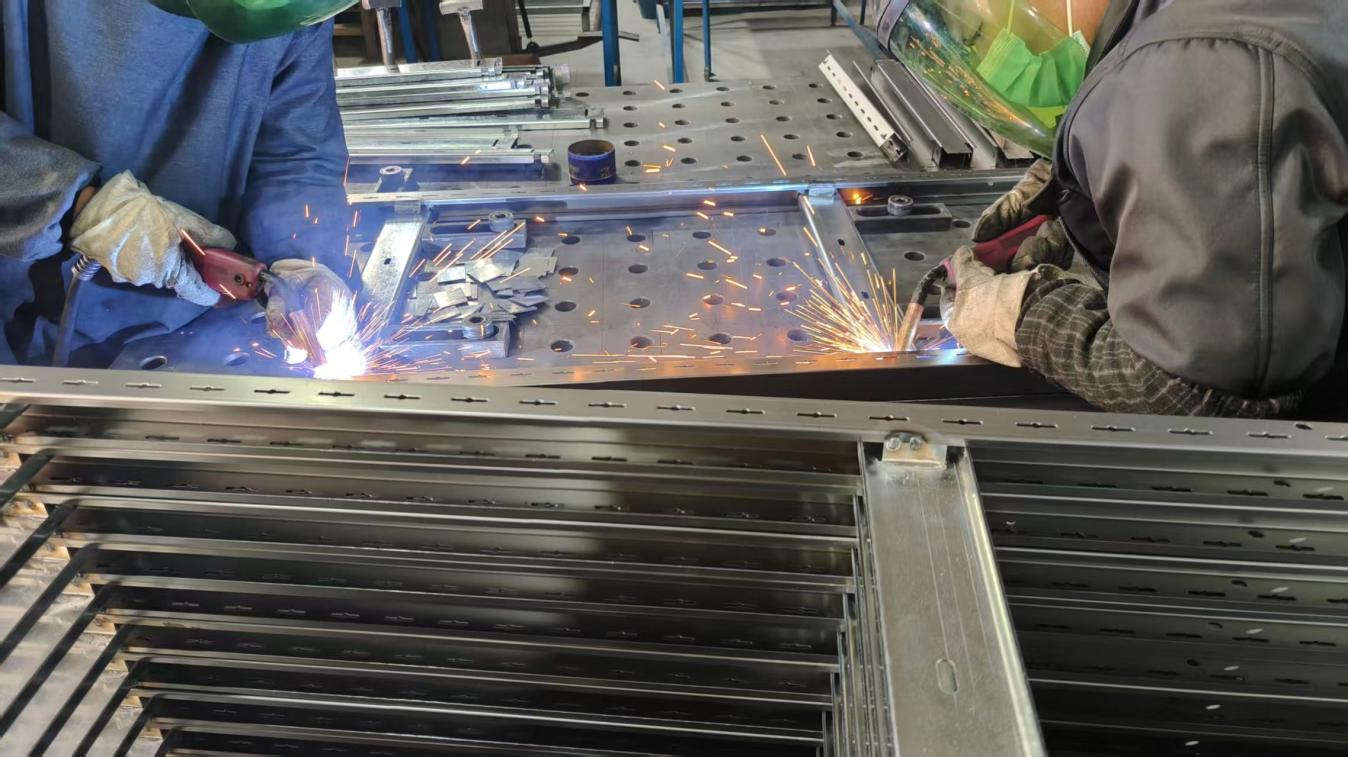
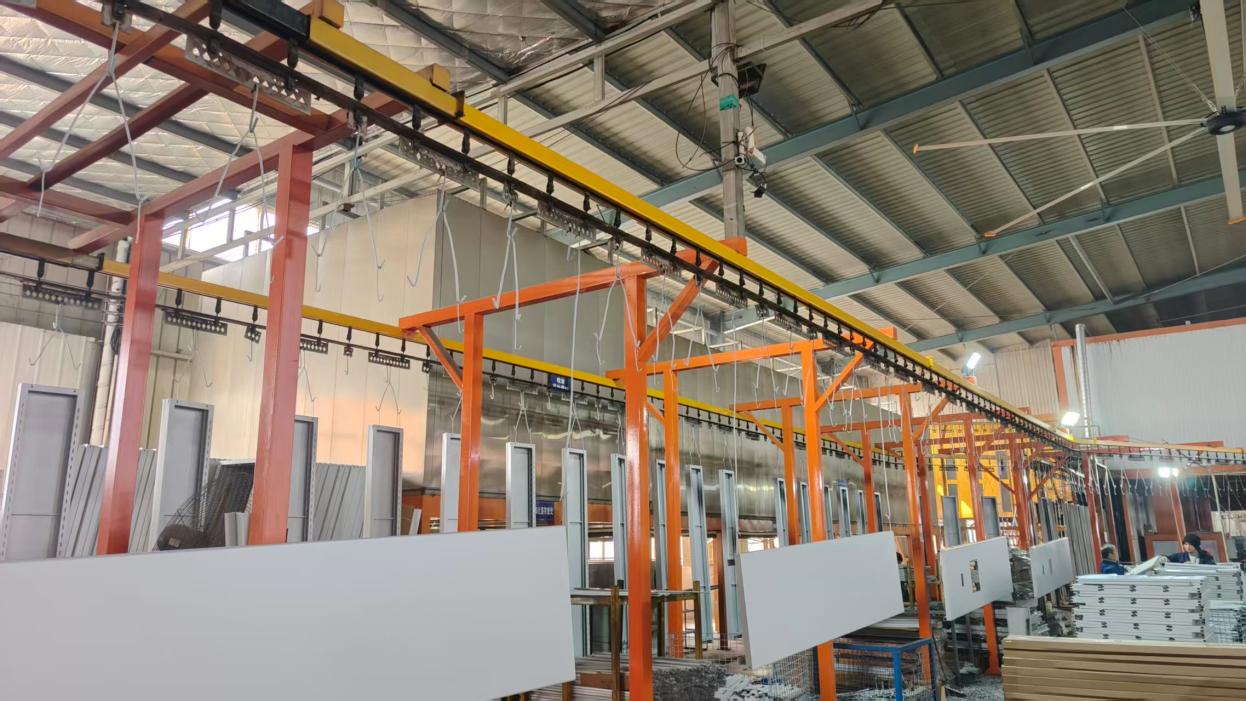
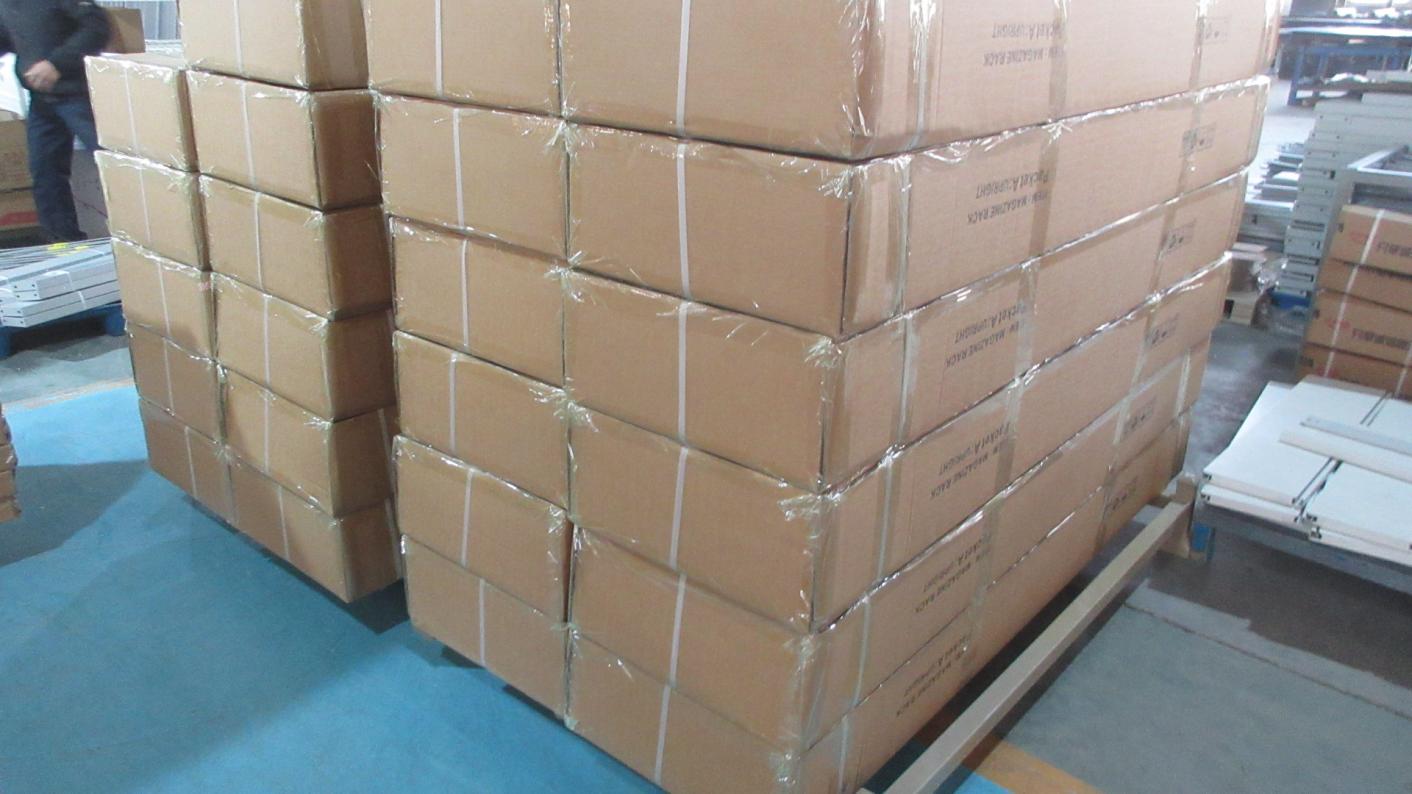
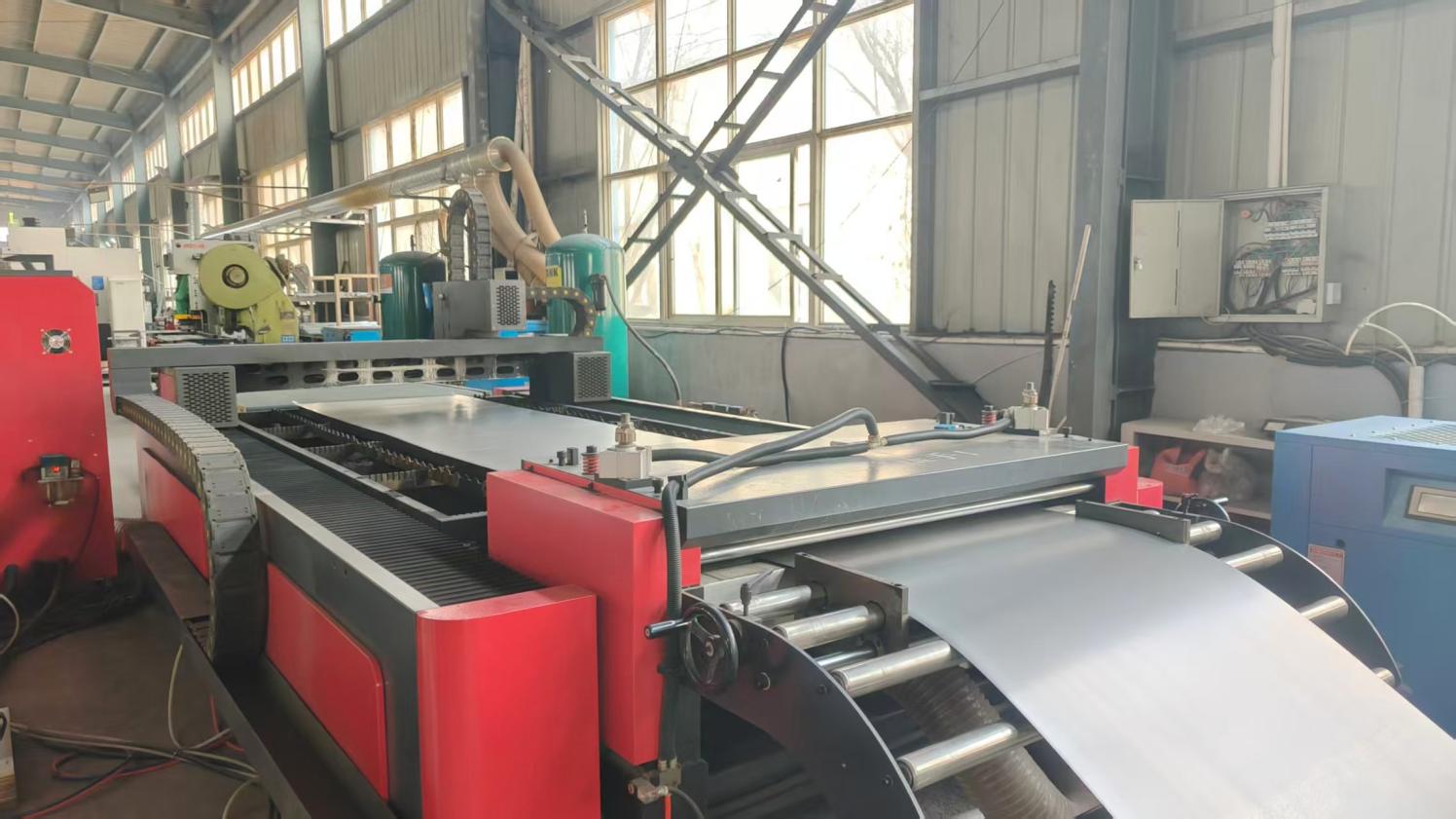
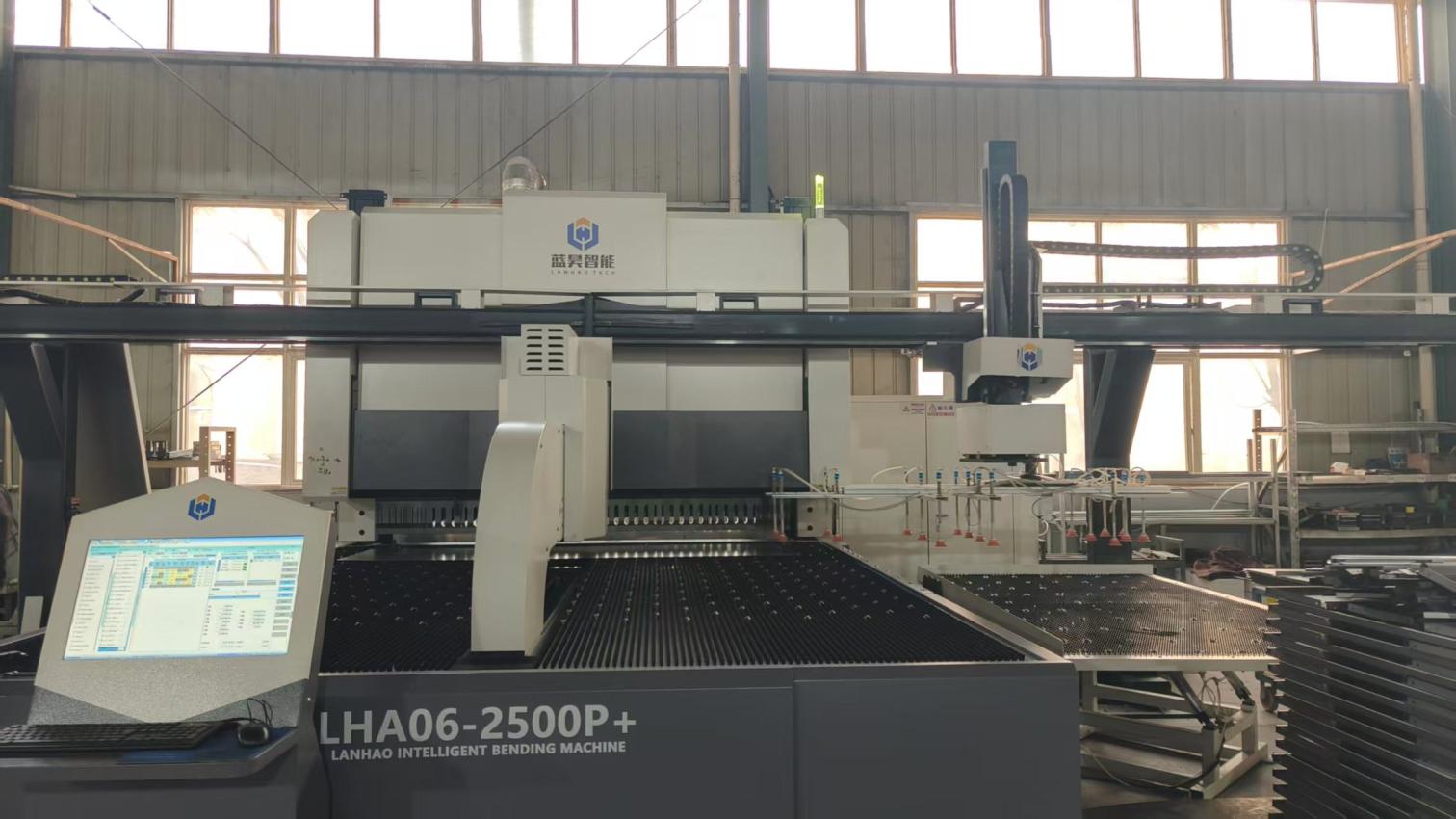
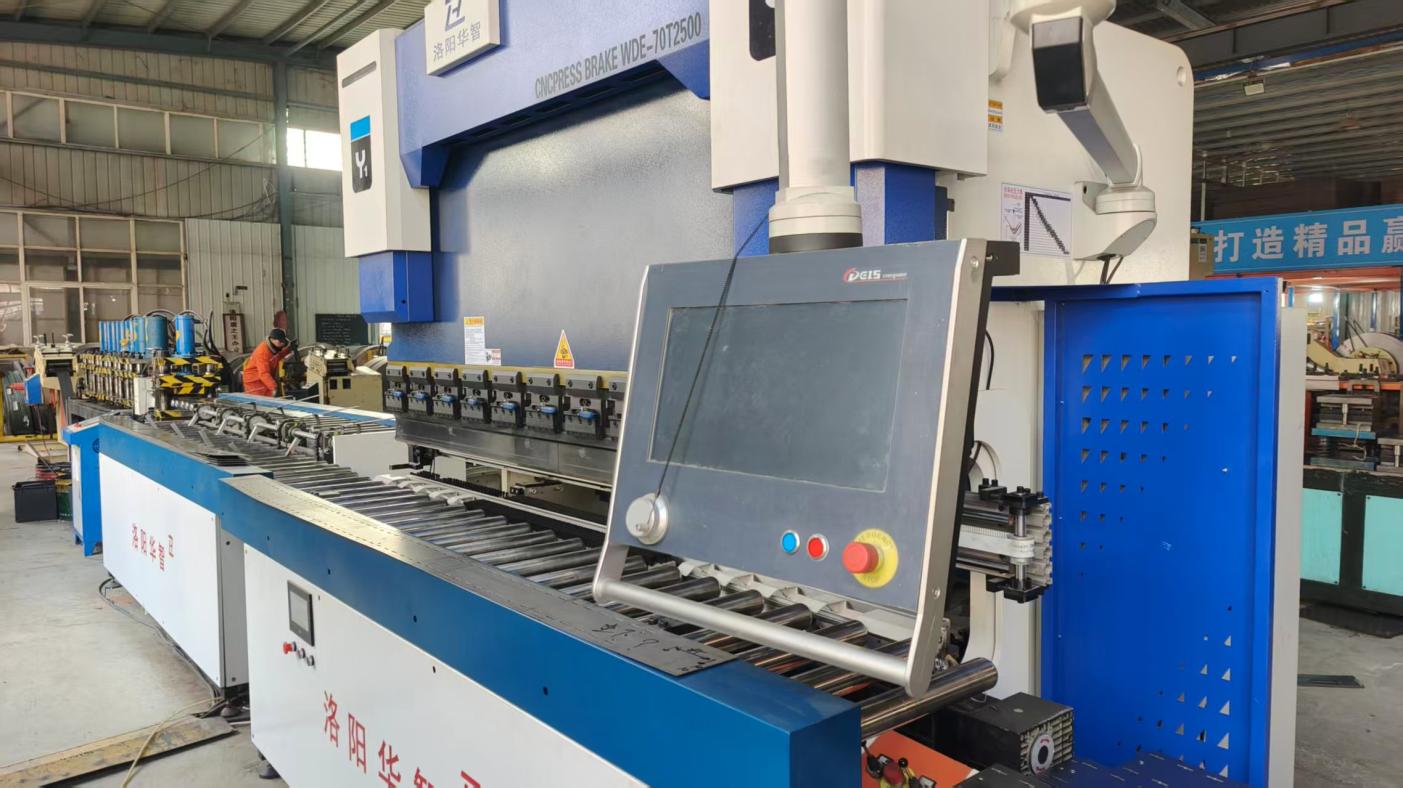
China remains a key hub for cold-formed structural steel and industrial storage equipment. Partnering with a specialized Chinese manufacturer like Guangdong Luyuan offers concrete business advantages:
The logistics industry is evolving rapidly, driven by e-commerce growth, rising real estate costs, and labor shortages. Key trends in live storage rack development include:
1. Automated Integration (AGV/AMR Sync): Modern dynamic racks are designed to work directly with Autonomous Mobile Robots (AMRs) and Automated Guided Vehicles (AGVs). This integration requires precise entry-guide geometry, reliable tolerances, and smart pick-face design to allow robotic arms and automated forklifts to load and unload safely.
2. Eco-Friendly Coatings & Corrosion Protection: In cold storage and food-safe environments, racks need superior corrosion resistance. We use thermosetting powder coatings that are chemical-resistant, food-safe, and free of volatile organic compounds (VOCs).
3. Smart Roller & Braking Technology: As pallet weights vary, gravity flow lanes use speed controllers and dynamic brake rollers. These components control the descent speed of heavy loads, preventing impact damage at the picking face.
Different storage environments demand tailored structural designs. Below is an overview of how we configure racking systems for various industrial applications:
| Industry Sector | Storage Challenge | Racking Solution | Design Specifications |
|---|---|---|---|
| Cold Chain Logistics | High space cost, rapid inventory turnover, sub-zero conditions (-30°C). | High-Density Pallet Flow Racks | Low-temperature steel alloy, specialized low-temp roller lubricants, automatic speed controllers. |
| Automotive Parts & Manufacturing | Heavy parts buffering, Just-In-Time (JIT) production lines. | Heavy-Duty Carton Flow & Roller Systems | Reinforced steel profiles, customized roller pitches, integrated picking lanes. |
| Food & Beverage / FMCG | Strict FIFO compliance, batch traceability, washdown requirements. | Gravity Pallet Flow & Cleanable Roller Beds | Corrosion-resistant powder coatings, easy-clean drainage designs, impact-resistant rollers. |
| E-commerce Fulfillment | High pick rates, multiple SKUs, quick return cycles. | Split-Lane Carton Flow with Integrated Pick-to-Light | Adjustable pitch dividers, ergonomically angled pick trays, integration with digital inventory systems. |
Safety and durability are crucial in high-density storage. Dynamic live storage racks must handle static structural weight as well as the kinetic force of moving loads.
Our engineering team focuses on:
 Luyuan Racks