Engineered for extreme environments, heavy-duty capacity, and optimal warehouse ergonomics
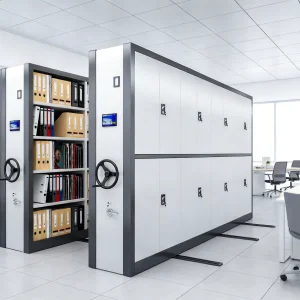
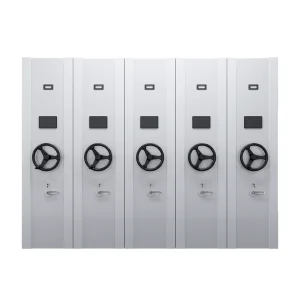
Guangdong Luyuan Import and Export Trading Co., Ltd. stands at the forefront of the warehouse storage industry, functioning as a premier industrial rack manufacturer and comprehensive global supplier. Established in 2016, we steer a sophisticated modern manufacturing plant covering an expanse of 18,000㎡. Our structural workflows seamlessly unify specialized product design, heavy-duty fabrication, strict precision inspection protocols, and global export distribution.
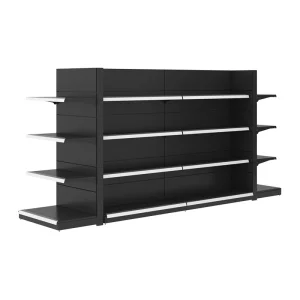
Drawing upon more than 12 years of industry experience and an 8-year international export pedigree, Luyuan has achieved a commanding presence in supply chains worldwide, generating an annual export turnover of approximately USD 12 million. We deliver premium industrial pallet racks, heavy-duty racking systems, structural cantilever racks, custom warehouse mezzanines, modular retail/supermarket shelving units, and integrated smart storage logistics configurations.
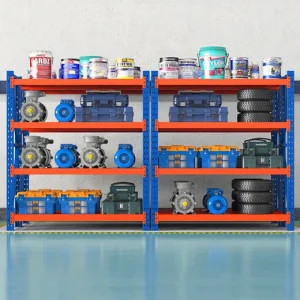
Selective Racking remains the undisputed foundational architecture of global warehousing and logistics. As global supply chains adjust to the challenges of modern e-commerce, third-party logistics (3PL) expansion, and cold chain distribution, the request for flexible, highly accessible racking setups has reached historic heights. Unlike high-density systems that restrict direct access to individual pallets, Selective Racking offers immediate, 100% selectivity to every stored pallet, making it crucial for high-SKU inventory setups.
In mature industrial hubs across North America and Europe, strict occupational safety mandates (such as OSHA and EN standards) require structural designs that withstand both heavy static loads and dynamic operational impacts. Simultaneously, developing economies across Southeast Asia and the Middle East are investing heavily in automated, high-bay warehouses where selective structures form the primary framework. This global demand requires manufacturing partners who can produce systems that comply with various international standards, including the Rack Manufacturers Institute (RMI) guidelines in the USA and the AS4084 standard in Australia.
While systems like Drive-in or Push-back racking achieve higher storage density, they operate on LIFO (Last-In, First-Out) models. Selective Racking remains the preferred solution for rapid SKU rotation and fast order fulfillment, supporting FIFO (First-In, First-Out) inventory control with zero access delays.
Modern industrial racking is no longer treated as simple metal shelving. It is classified as structural steel framing, subject to rigorous structural calculations. The dominant trend in engineering selective systems centers on maximizing seismic resistance while optimizing steel usage. The use of high-strength, low-alloy cold-formed steel (such as Q235B and Q355B) allows manufacturers to design lighter profiles that deliver equal or superior load ratings.
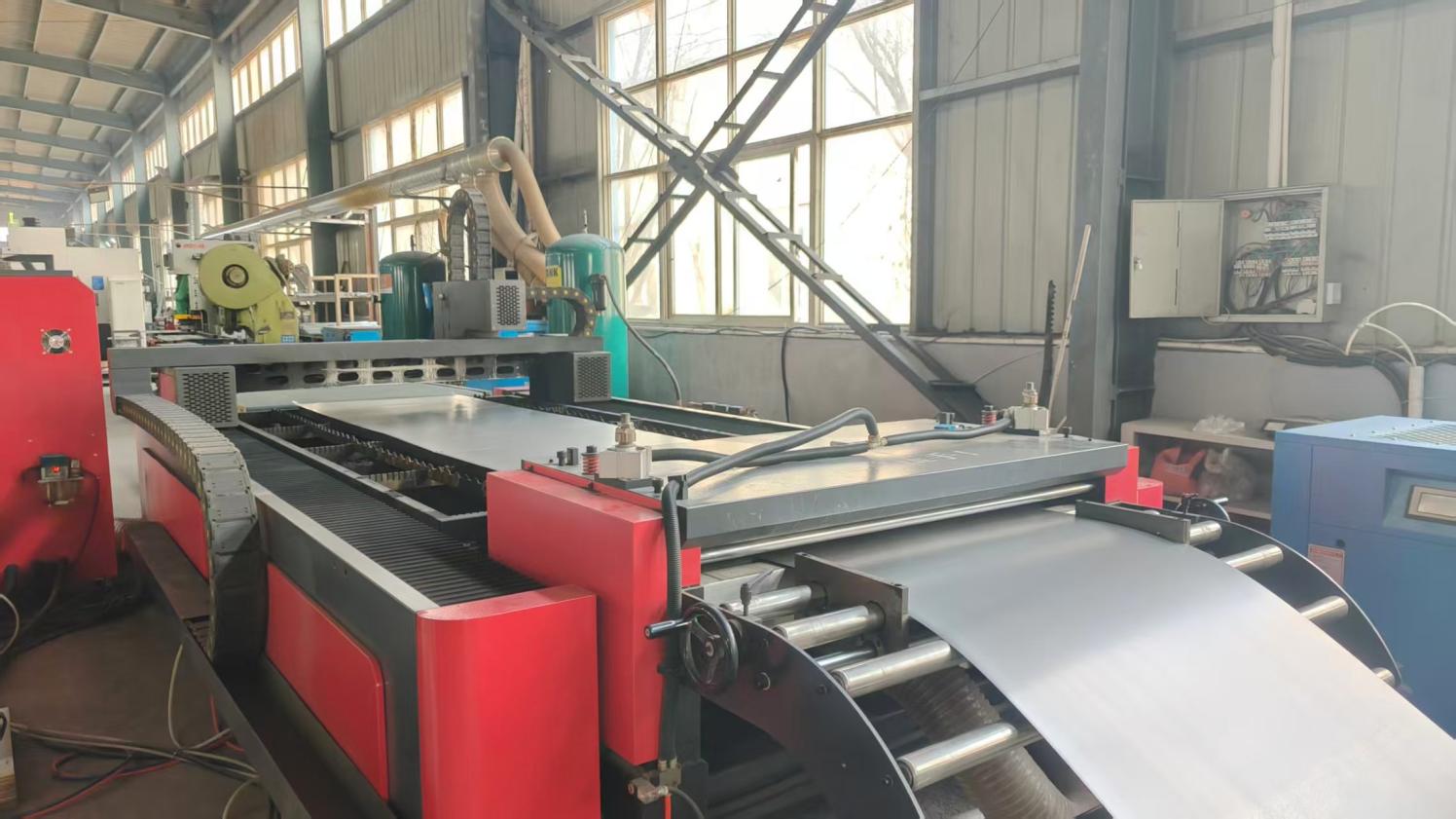
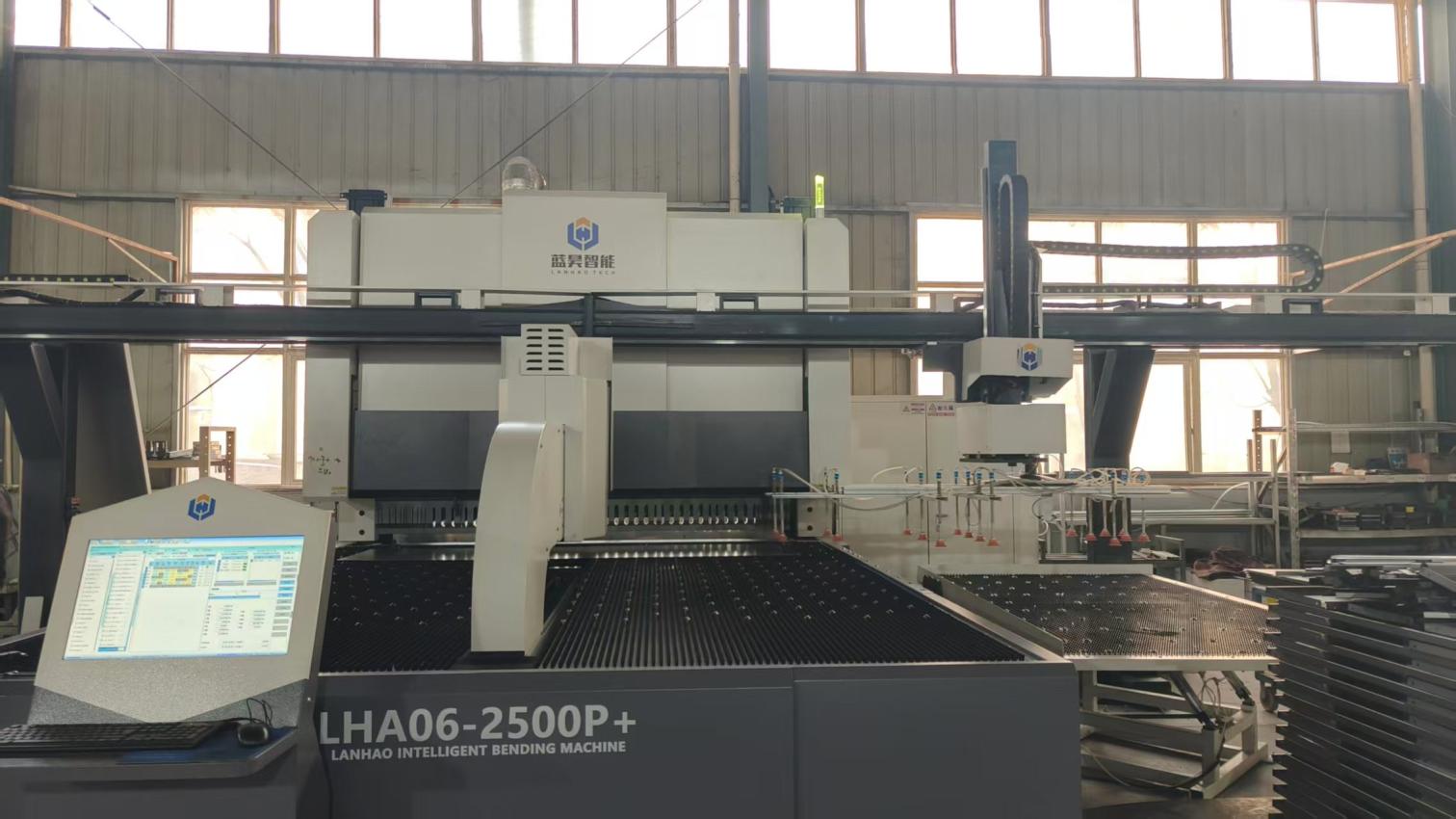
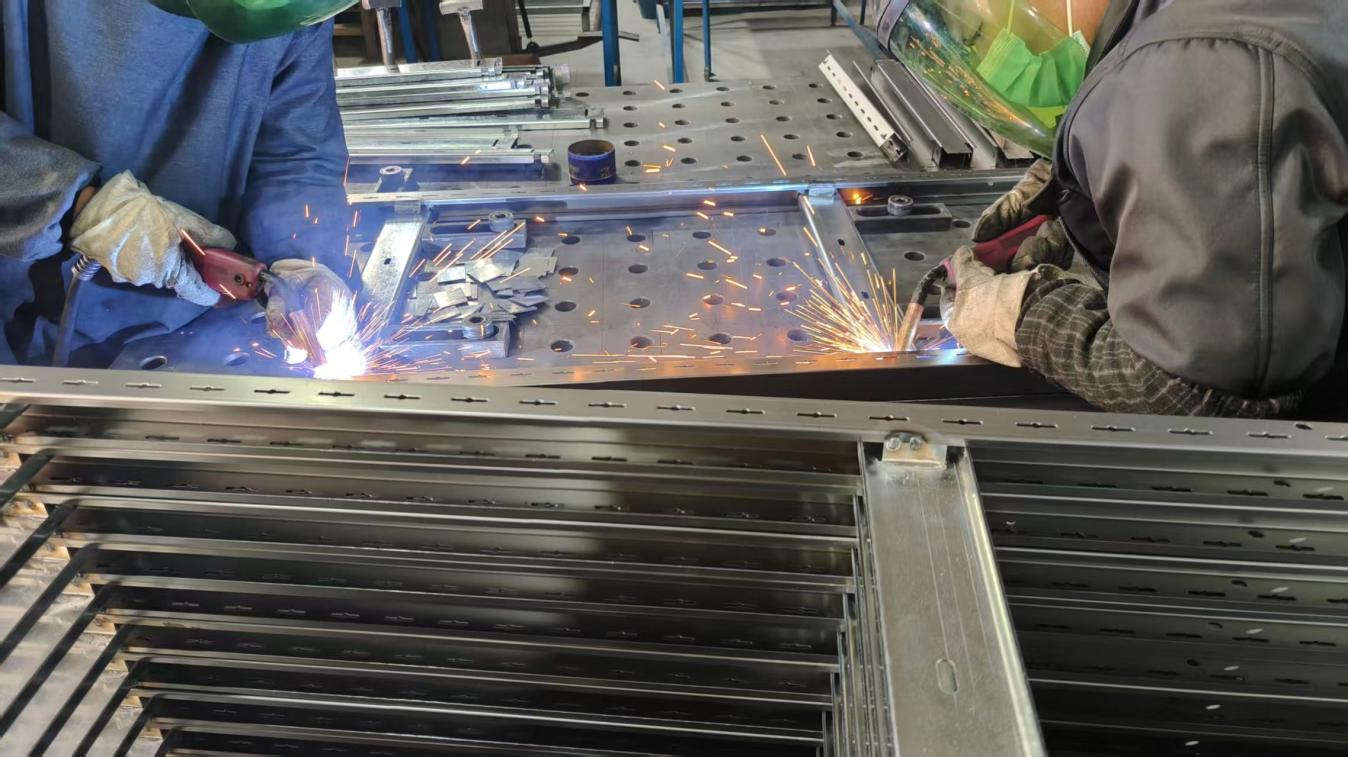
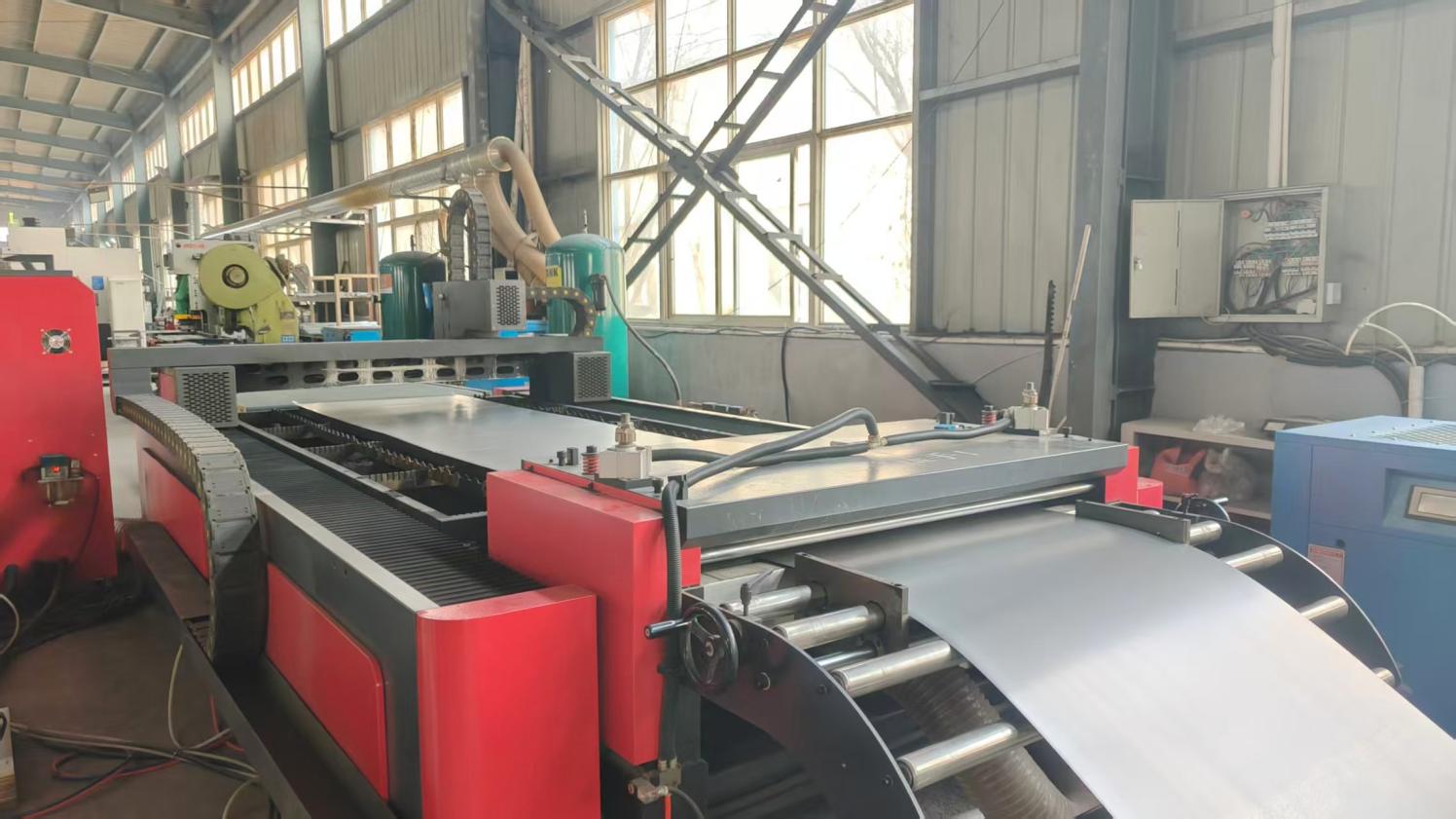
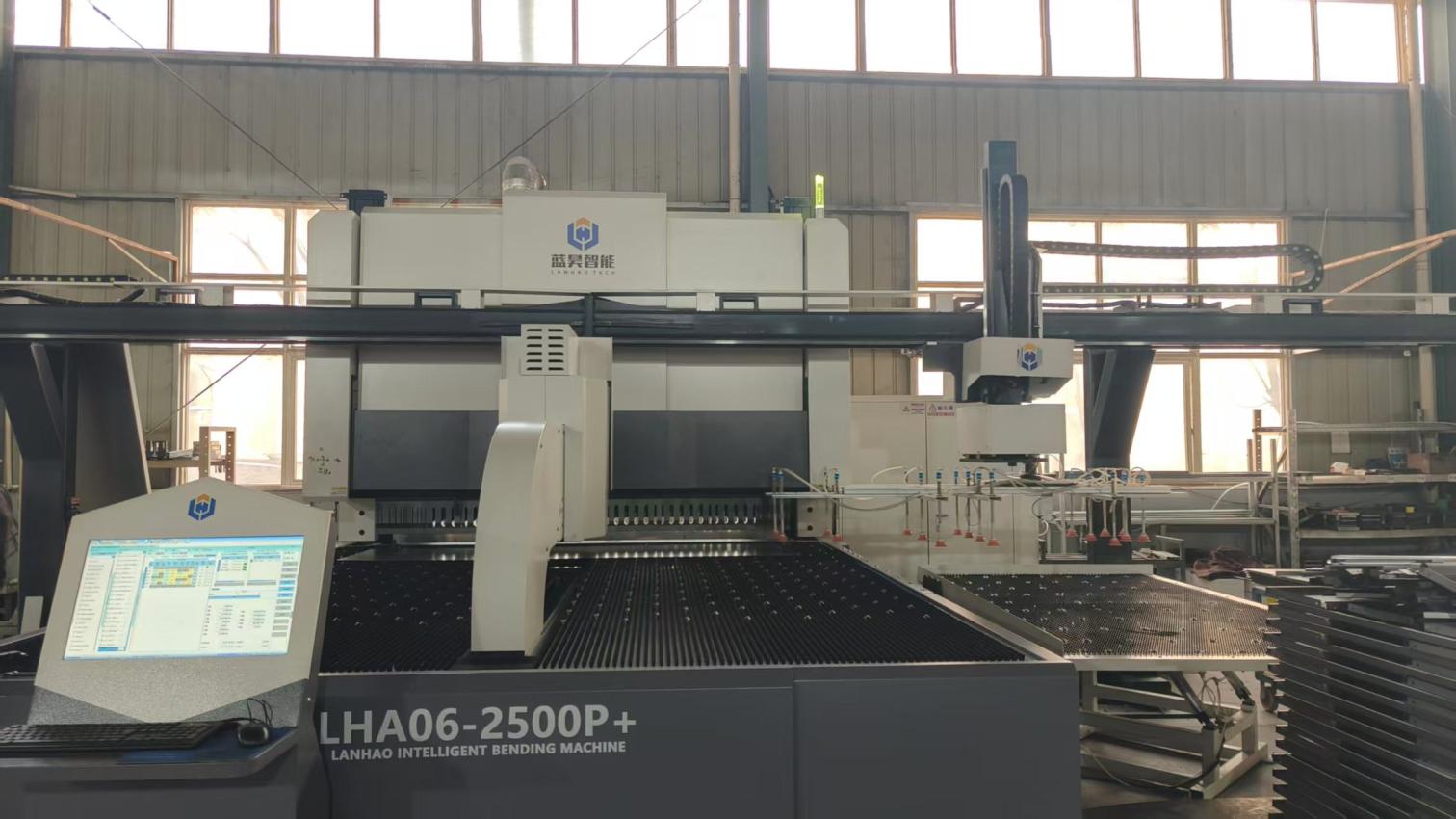
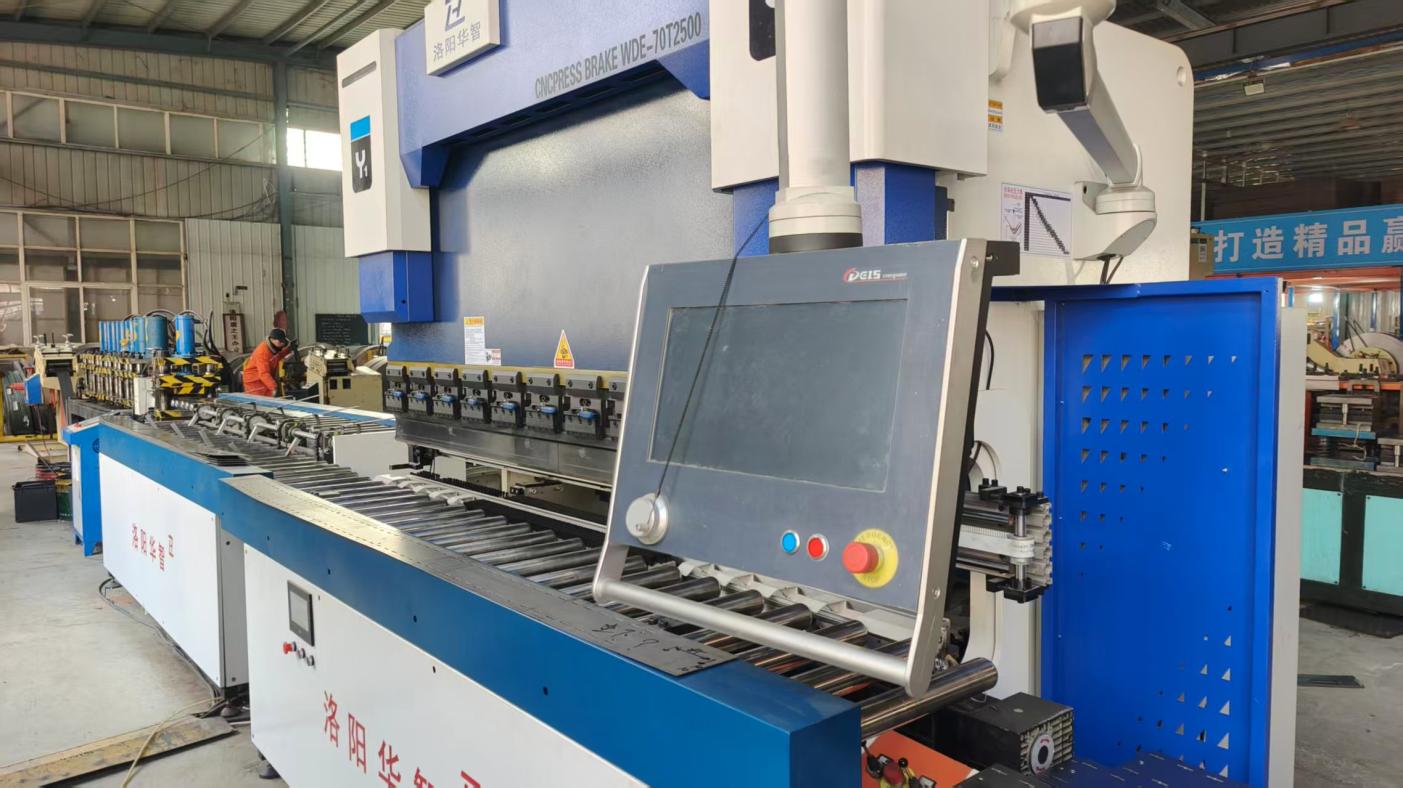
Guangdong Luyuan's manufacturing reliability is based on a process-driven workflow that runs through advanced machinery. Raw coils of structural steel are fed into automated roll-forming lines, producing upright frames and load beams with precise profiles. Through a professional quality inspection team of 45 members, every fabrication stage is monitored, from raw material validation to structural welding and dimensional consistency.
Depending on regional demands, selective racking is tailored to meet specific regulatory and operational challenges. In colder climates or temperature-controlled zones, the structures must adapt to steel contraction and changes in load capacity. In high-cost urban logistics centers, selective racking is often configured for Narrow Aisle (NA) or Very Narrow Aisle (VNA) operations to save valuable floor space while maintaining direct access to all pallets.
In seismically active areas like Australia, New Zealand, and portions of the Americas, structural engineering calculations must be verified by local structural engineers. Luyuan's design team collaborates directly with field partners, using FEA (Finite Element Analysis) tools to customize steel grade distributions, baseplate dimensions, and anchors, ensuring full compliance with local building codes.
The future of industrial warehousing depends on integrating physical racking with smart digital environments. Moving beyond passive structures, next-generation selective racking will integrate sensors to provide real-time structural health monitoring, load weighing, and alignment indicators. This digital transition is critical as automated guided vehicles (AGVs) and autonomous mobile robots (AMRs) become standard in modern warehouses, requiring higher tolerance accuracy from the racking structure.
Upgrading automated manufacturing lines to achieve millimeter-level tolerance limits, meeting the precise positioning demands of Automated Storage and Retrieval Systems (AS/RS).
Integrating IoT stress sensors within heavy-duty beam profiles to monitor real-time load distribution and warn warehouse operators of potential overload conditions.
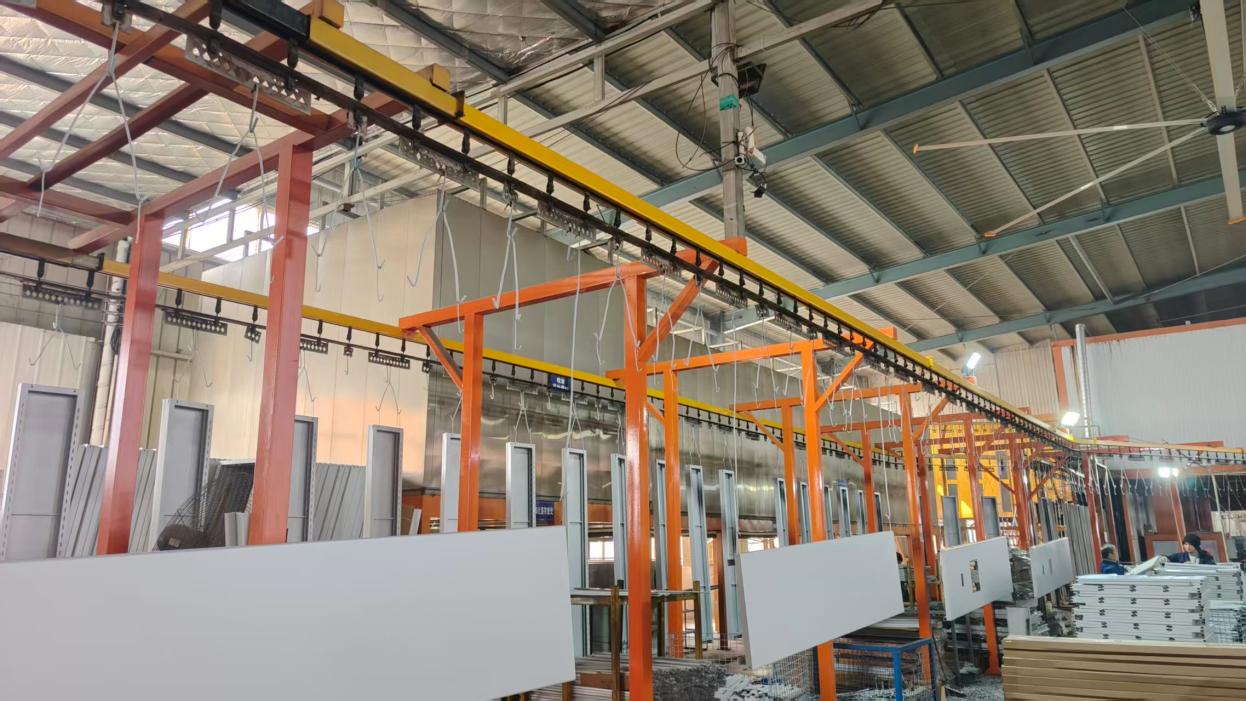
Developing carbon-neutral, volatile organic compound (VOC)-free powder coating formulas that offer high resistance to chemicals and abrasion.
Luyuan collaborates with global partners to design and deliver customized racking layouts tailored to specific industries. The table below outlines how selective racking compares to other high-density configurations across key performance metrics.
| Racking Type | Selectivity | Storage Density | FIFO/LIFO Compatibility | Aisle Width Required | Investment Cost |
|---|---|---|---|---|---|
| Selective Pallet Racking | 100% (Direct Access) | Moderate | FIFO & LIFO | Wide (3.2 - 3.8m) / VNA (1.5 - 1.8m) | Low (Most Cost-Effective) |
| Double Deep Racking | 50% (Two pallets deep) | High-Moderate | LIFO | Medium (Specialist Reach Truck) | Moderate |
| Drive-In Racking | Low (Last-in, first-out) | Very High | LIFO | Not applicable (Truck drives in) | Moderate-High |
| Push-Back Racking | Low (Multi-lane depth) | High | LIFO | Medium | High |
Technical answers from Luyuan's engineering and QA departments
Highly durable solutions engineered to optimize modern industrial workplaces and storage facilities
 Luyuan Racks