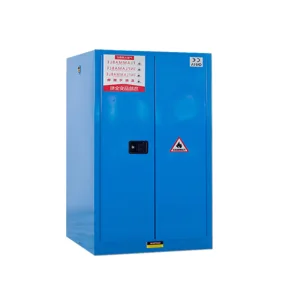
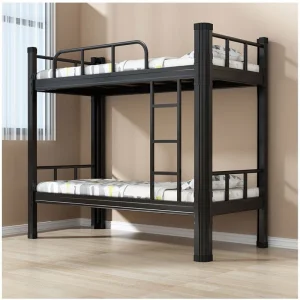
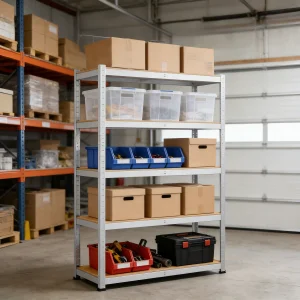
Engineered to international safety certifications, delivering maximum load distribution efficiency.
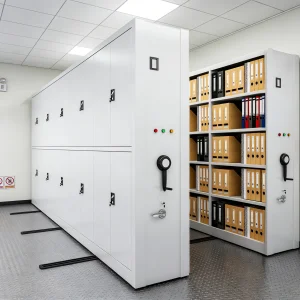
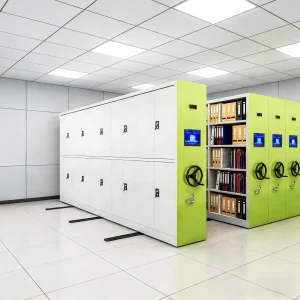
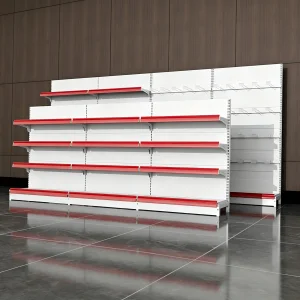
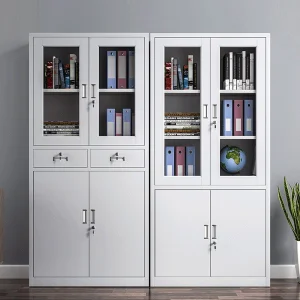
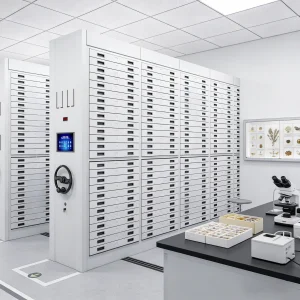
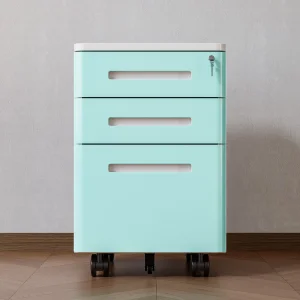
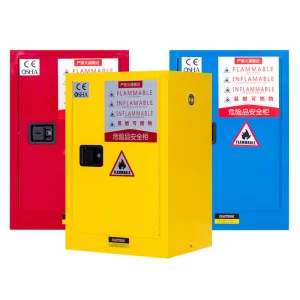
Modern global logistics, heavy industrial manufacturing, and international supply chains require exceptionally secure, scalable, and CE-certified racking infrastructures. With warehousing costs per square meter rising worldwide, industrial enterprises must transition from traditional layouts to intelligent, high-density layouts. Whether storing heavy automotive dies, industrial raw materials, hazardous chemicals, or high-volume corporate archives, storage rack structural integrity directly dictates operational safety and throughput speeds.
For organizations operating across dynamic supply chains in the US, Europe, and Asia-Pacific, regulatory alignment is non-negotiable. Standard industrial systems must conform to strict stress, deflection, and seismic criteria. The CE marking indicates rigorous compliance with the EU's harmonized standards, such as EN 15512 (Steel static storage systems), EN 15620 (Tolerances, deformations and clearances), and the Machinery Directive 2006/42/EC for automated and mobile compactor designs. Investing in CE-certified heavy equipment storage from a vetted manufacturer guarantees that the structural components can withstand static and dynamic stress load configurations without risk of catastrophic structural buckling.
"Structural safety in heavy duty racking systems is not merely a preference; it is a critical workplace safety factor. Modern supply chain engineering demands that storage facilities withstand high-load metrics while minimizing the overall footprint."
Established in 2016, Guangdong Luyuan Import and Export Trading Co., Ltd. has developed into a premier warehouse storage rack manufacturer and global supplier specializing in industrial racking systems, warehouse shelving solutions, and customized storage equipment. Operating from a modern 18,000㎡ manufacturing facility, we integrate complete in-house capabilities: product engineering design, advanced metallurgy, robotized structural fabrication, multi-stage quality control, and international trade operations. With over 12 years of core industry experience, Luyuan continues to service global supply chains by engineering long-lasting racking solutions.
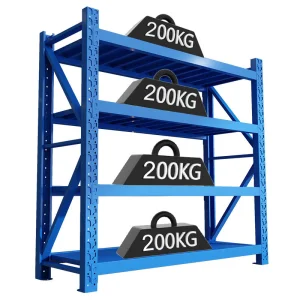
Our operational capability is driven by an engineering-centric philosophy. Luyuan hosts a dedicated R&D team of 28 experienced engineers specializing in structural design, static/dynamic loading physics, warehouse layout planning, and customized high-performance rack designs. Our system designs are tailored to load capacities ranging from light-duty home shelving to heavy industrial pallet racking capable of supporting several tons per level. Using advanced structural modeling and stress analysis software, our engineering team optimizes raw material usage while maximizing stability and safety limits, translating directly to cost benefits and safety security for our global partners.
To ensure high standards across every production cycle, Luyuan leverages a comprehensive quality assurance workflow. The 45-member Quality Control department tracks every manufacturing stage: raw material chemical analysis, mechanical dimensional measurement, welding quality inspection, load capacity verification, paint coating thickness verification, and final packaging integrity check before loading. We have built strong relationships with more than 850 strategic supply chain partners, allowing Luyuan to guarantee reliable, high-grade steel sourcing (primarily high-tensile Q235B and Q355B structural steel grades) and reliable logistical delivery to Europe, North America, South America, Southeast Asia, the Middle East, and Africa.
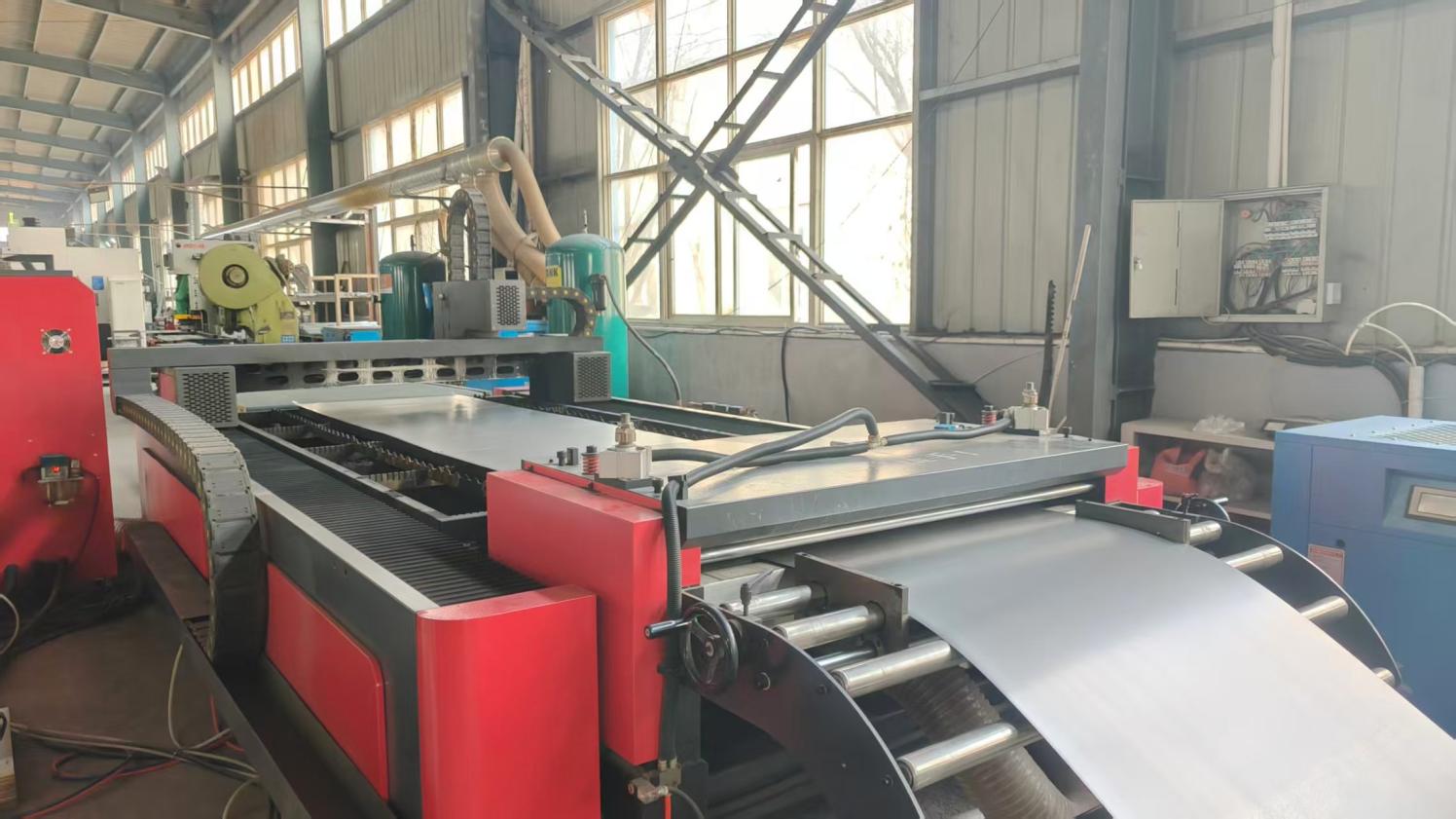
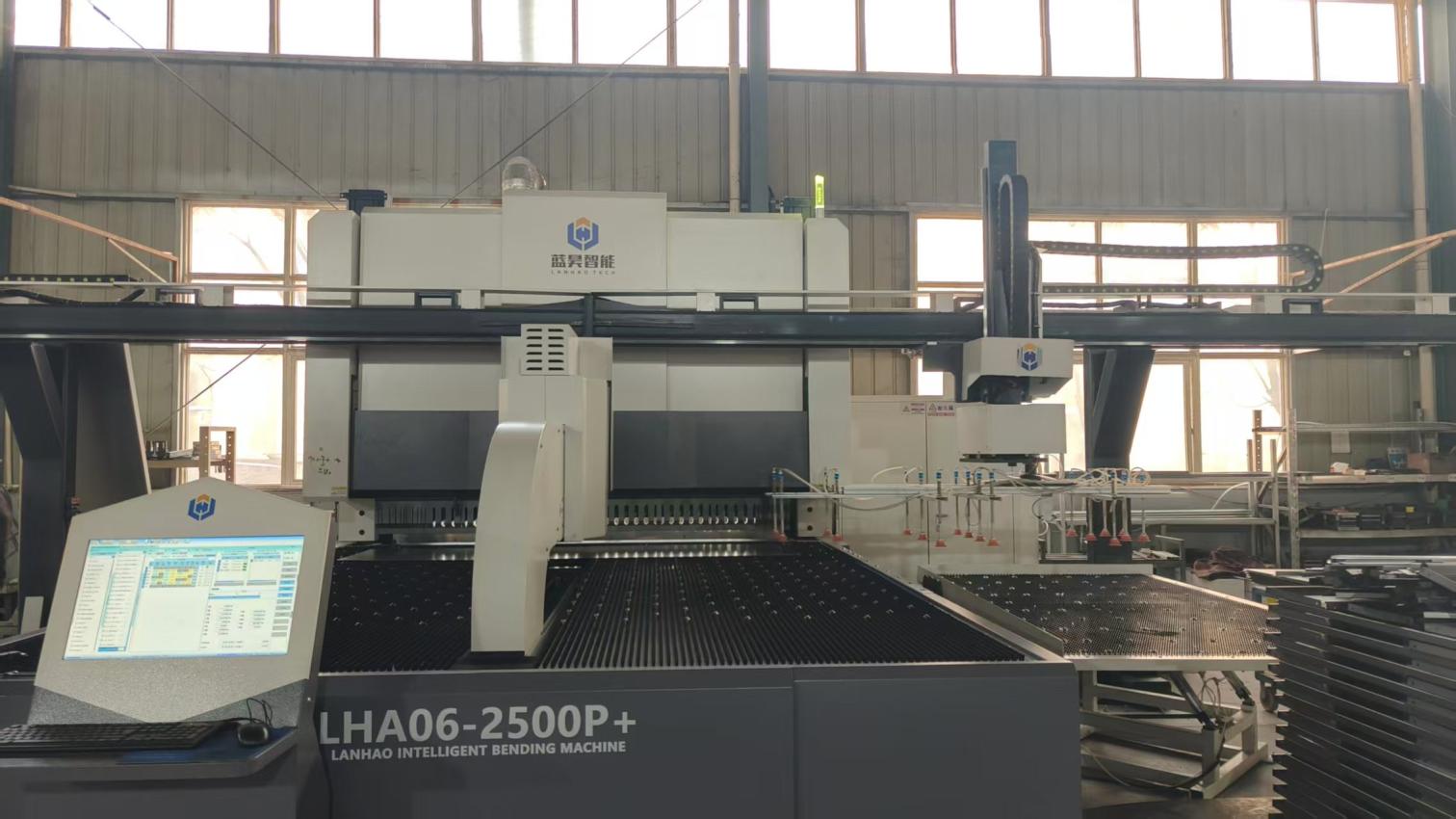
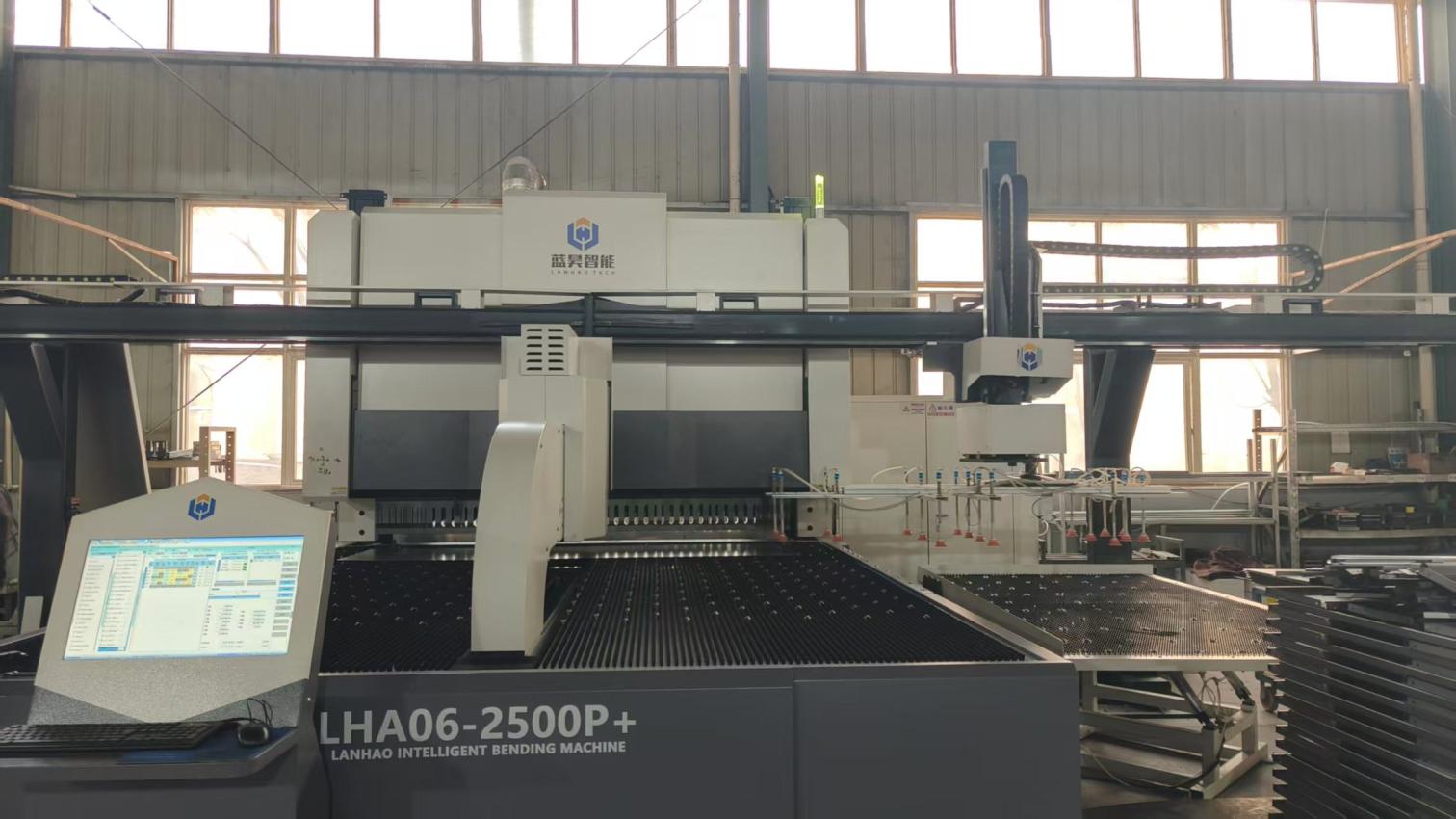
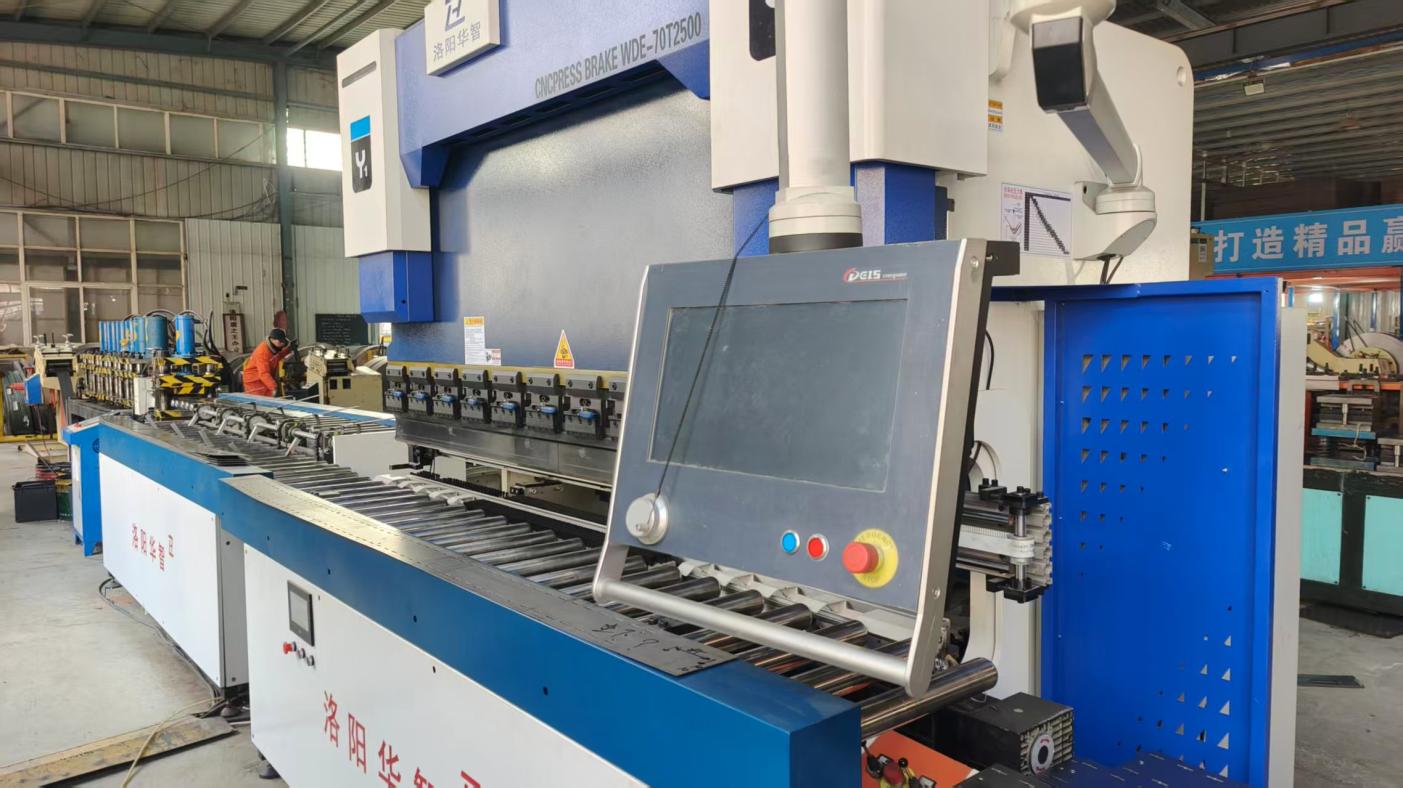
Our factory processes are streamlined to optimize manufacturing precision, consistency, and operational throughput. Below are the core production steps and heavy equipment used in our facility:
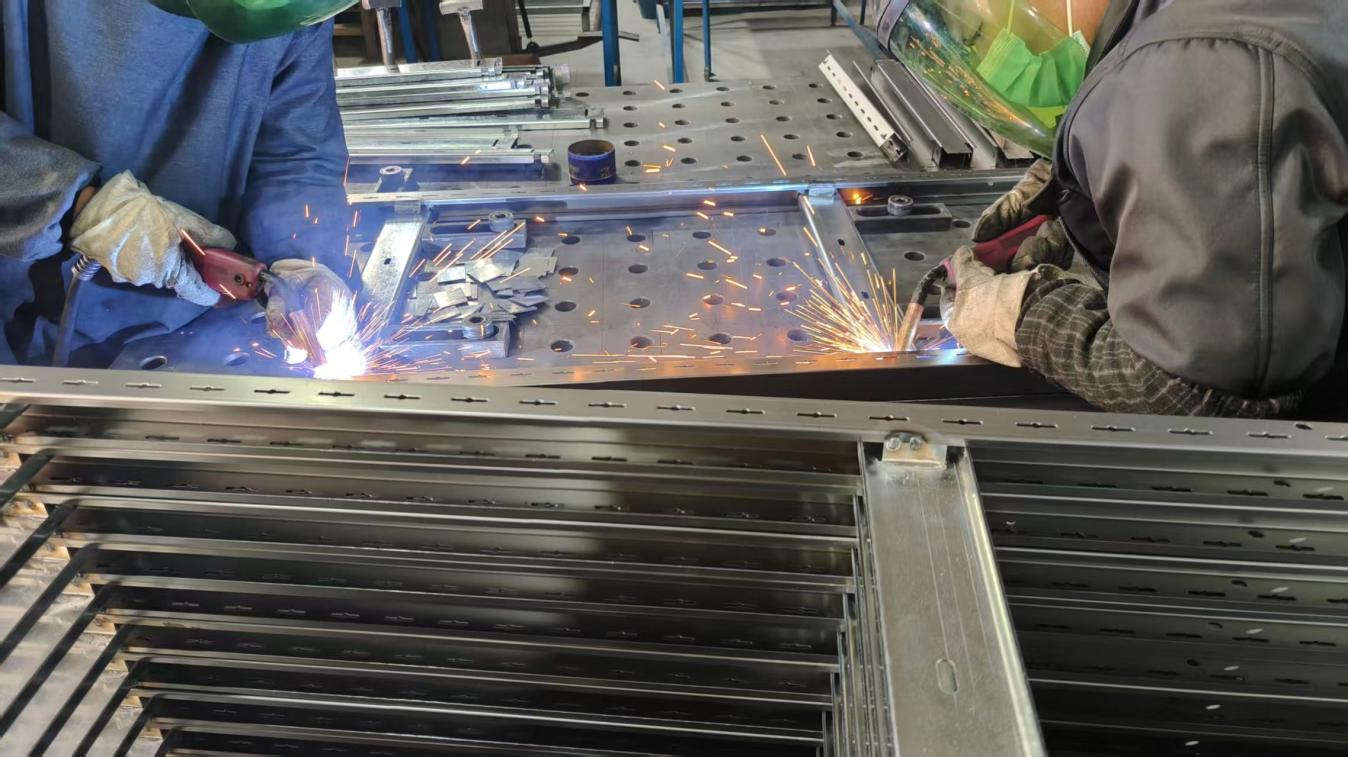
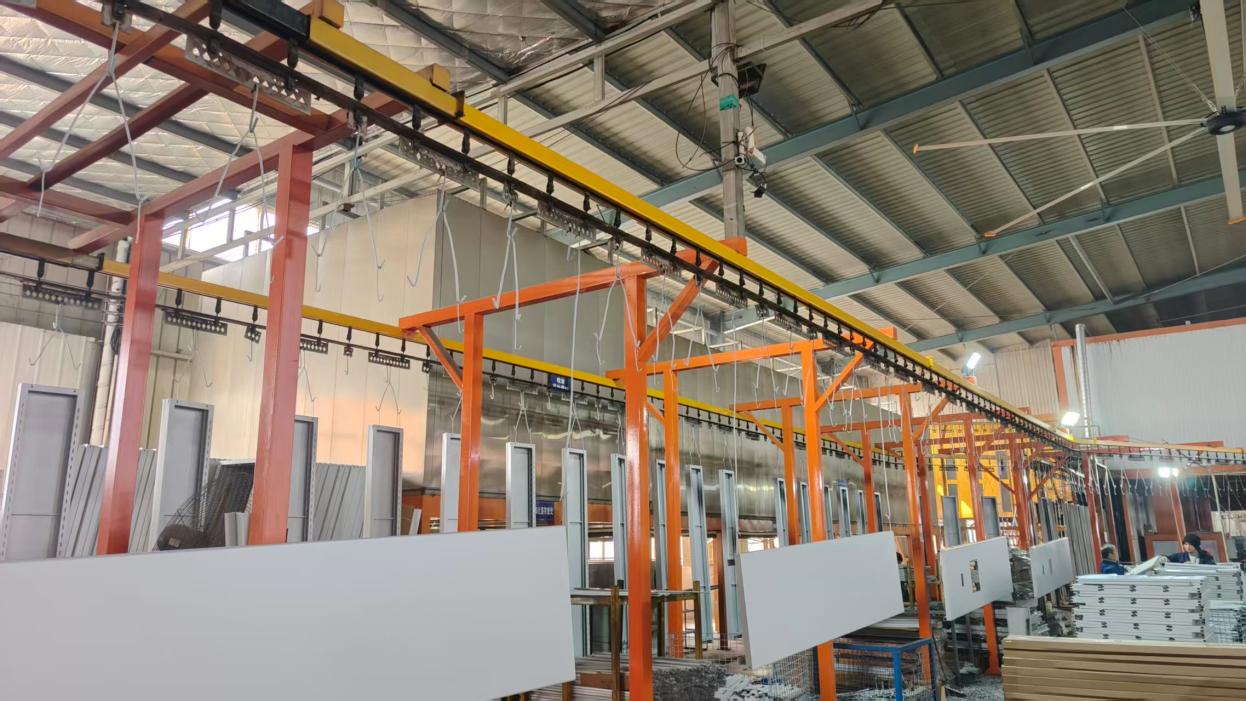
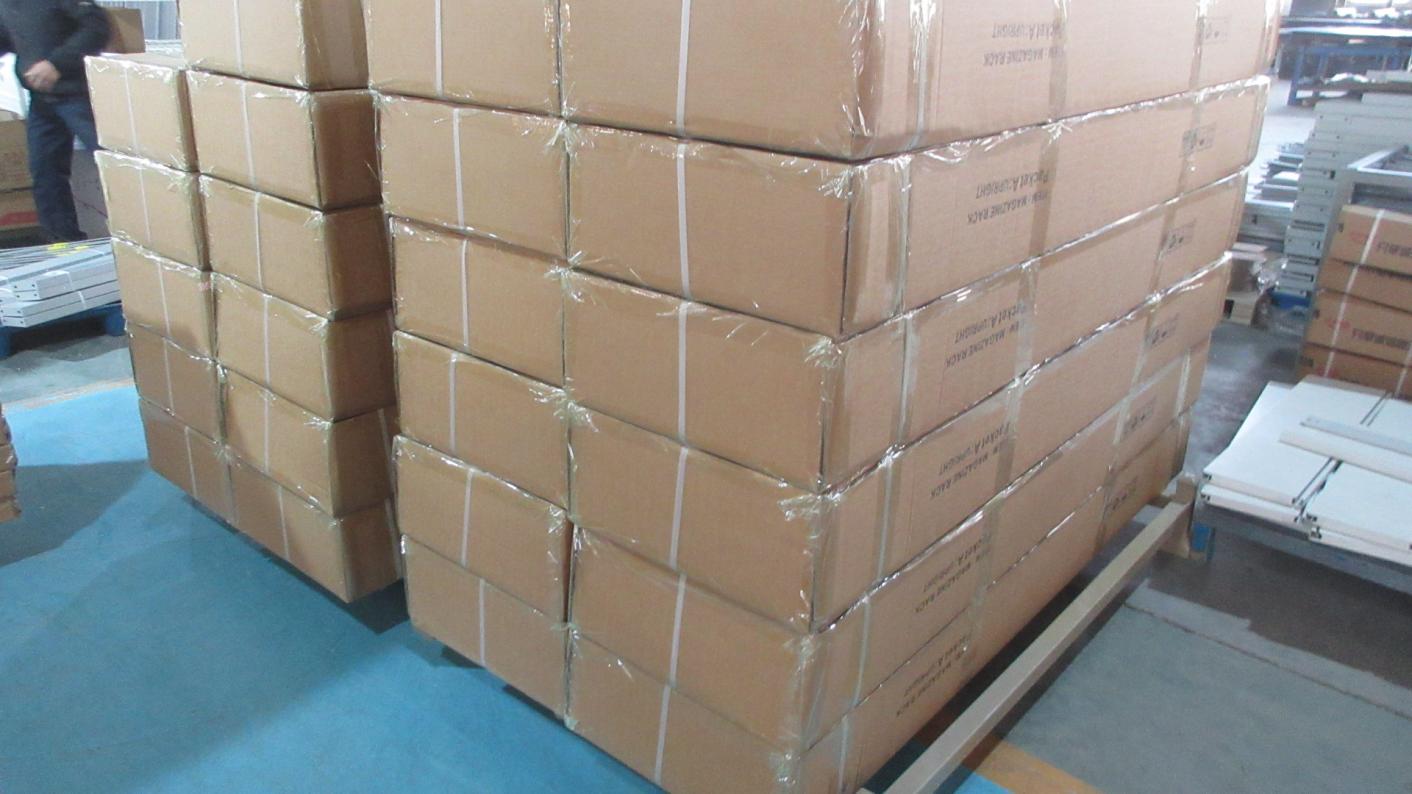
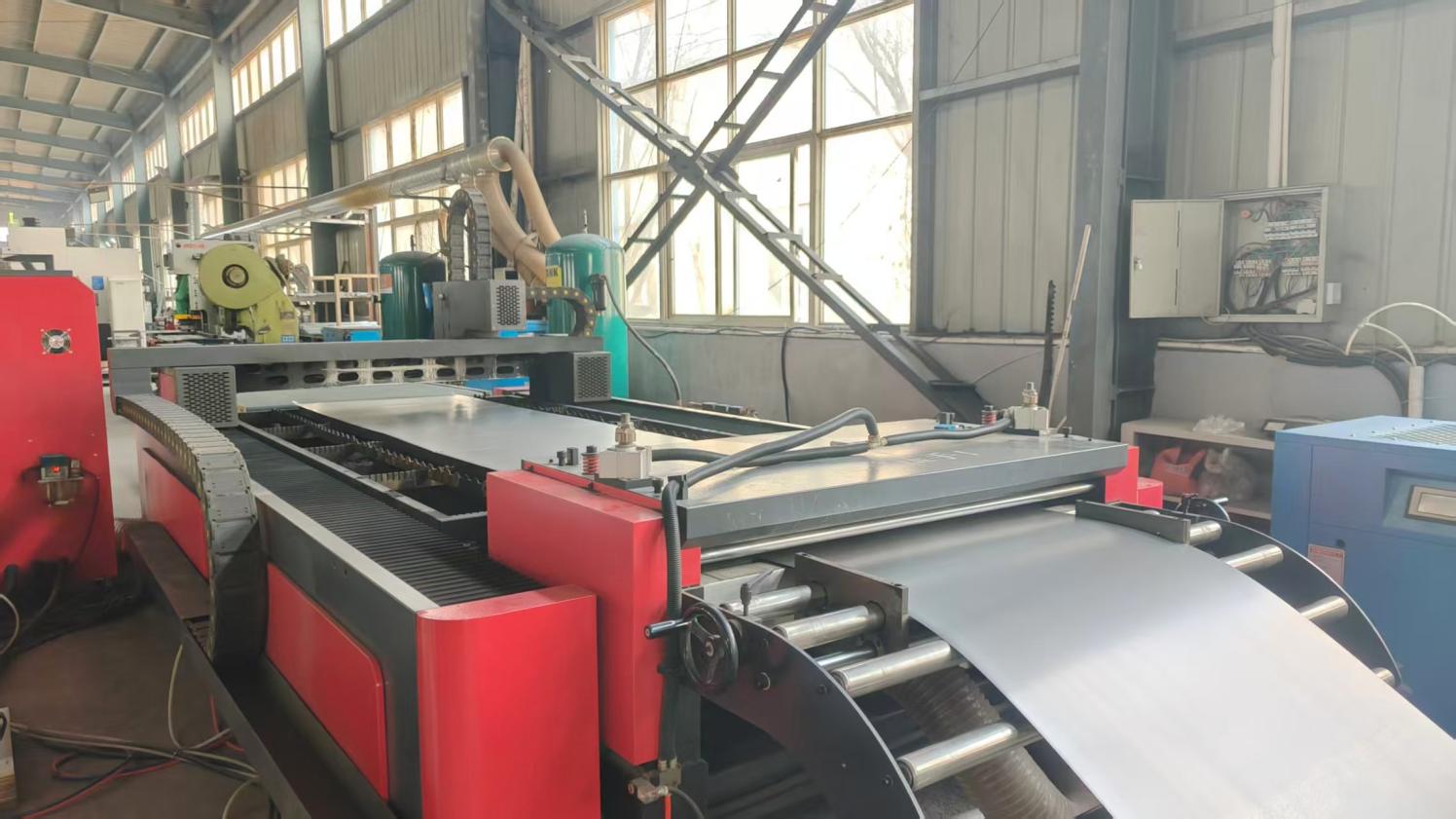
China's industrial manufacturing ecosystem offers unmatched competitive advantages in heavy industrial production, particularly within the metal fabrication and high-density racking sectors. Guangdong Province sits at the heart of this supply chain network, providing immediate access to first-class steel mills, surface treatment suppliers, and deepwater logistics hubs like Guangzhou and Shenzhen. This structural integration allows Guangdong Luyuan to manage raw material acquisition, production runs, and global delivery schedules with short lead times.
This localized efficiency is driven by the density of nearby processing suppliers. Our proximity to domestic raw materials guarantees access to structural-grade steel profiles without the premium price of cross-border transport. Furthermore, Luyuan has integrated automated machinery, including automatic punching presses, CNC bending lines, and robotic welding arms, which reduce labor costs and eliminate manual welding inconsistencies. These optimizations result in a lower total cost of ownership (TCO) for global procurement teams purchasing CE-certified storage configurations.
Mill test certificates (MTC) are maintained for all Q235B and Q355B steel batches to verify structural yield strength and chemical composition compliance.
By shifting key structural operations to CNC bending and laser cutting, tolerance variance is kept under 0.5mm across all structural elements.
A multi-stage wash is paired with electrostatic thermosetting powder coating to achieve high scratch and corrosion protection in industrial environments.
High-density racking is a specialized discipline where mechanical loads, structural physics, and space planning intersect. Storage configurations are engineered to convert open vertical areas into structured load-bearing tiers. Understanding the mechanical differences of these systems is crucial for matching them to specific industrial operations:
Design Consideration: When designing heavy-duty pallet racking systems, the design must consider vertical load capacities along with lateral force limits from seismic activity and dynamic forklift loading. For configurations exceeding five meters in height, upright frames should include floor-anchored steel column guards to protect structural components from material handling equipment.
Guangdong Luyuan's storage configurations are designed to meet localized regulatory, environmental, and operational criteria across key international markets:
Storage systems focus heavily on safety certification compliance and structural standards. Racks must satisfy EN 15512 static design rules and EN 15635 racking inspection protocols. Luyuan's CE certification ensures seamless installation and passing facility audits by local safety inspectors.
Industrial racking systems must align with the Rack Manufacturers Institute (RMI) standards. Designs require robust structural anchoring, paint finishes that meet environmental standards, and chemical cabinets complying with NFPA 30 and OSHA regulations.
Environmental factors like humidity and high ambient temperatures require specialized surface protection. For high-humidity locations in Southeast Asia or coastal Gulf areas, we apply epoxy-polyester coatings to prevent premature rusting and structural degradation.
The global warehousing industry is undergoing rapid technical changes. Procurement teams must plan for these shifts to ensure their physical storage infrastructures remain compatible with modern facility workflows:
To assist global procurement managers and structural engineers in evaluating industrial storage suppliers, Luyuan has compiled a technical vetting guide. Ensuring these details are finalized prior to manufacturing prevents costly modifications and structural delays:
| Vetting Stage | Technical Parameters to Verify | Required Quality Standard / Verification Document |
|---|---|---|
| 1. Metallurgy Vetting | Confirm steel grade (Q235B vs Q355B). Q355B has higher yield strength for heavy configurations. | Mill Test Certificate (MTC) with trace chemical analysis. |
| 2. Safety Compliance | Ensure compliance with CE marking and regional structural codes. | CE Declaration of Conformity to EN 15512 and Machinery Directive. |
| 3. Tolerance Controls | Review roll-forming tolerances, hole pitch consistency, and upright dimensional checks. | ISO 9001 Factory Audit Report and caliper verification protocols. |
| 4. Surface Finish | Verify powder coating thickness (60-80 microns) and adhesion cross-cut test results. | Salt Spray Test reports for anti-corrosion rating verification. |
Addressing structural calculations, certification, and customization parameters.
Engineered for high structural stability and long-lasting durability.
 Luyuan Racks