Efficient warehousing is crucial for modern logistics. One innovative solution gaining traction is the "4-Way Shuttle Storage" system. This technology optimizes space and enhances inventory management. Warehousing operations face challenges, such as limited space and slow retrieval times. The 4-Way Shuttle Storage addresses these issues effectively.
These systems allow for high-density storage with quick accessibility. By utilizing shuttles that move in multiple directions, warehouses can maximize vertical and horizontal space. However, some may overlook the initial investment needed for implementation. The complexity of these systems can also lead to operational difficulties if not executed properly.
As companies aim for efficiency, understanding 4-Way Shuttle Storage's benefits and limitations is essential. It provides a competitive edge, but careful consideration is necessary regarding its deployment. Balancing cost with efficiency is a challenge that requires expertise and strategic planning. It's a decision that demands reflection on current warehousing practices.
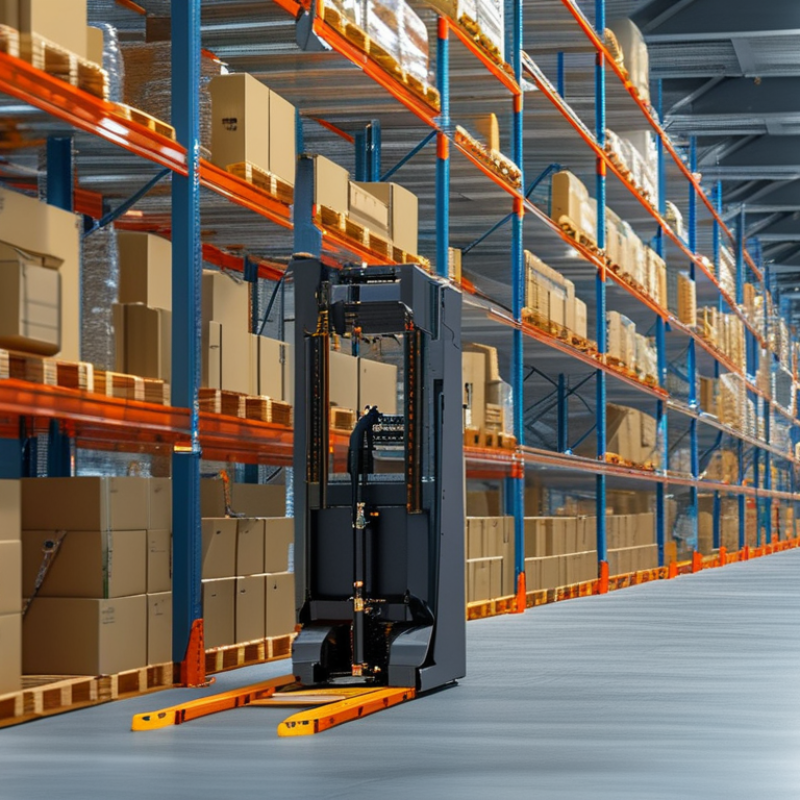
4 Way Shuttle Storage Systems have emerged as a game-changer in warehousing. These systems optimize space while enhancing efficiency. With versatile pallet storage solutions, they allow for high-density storage. This capability enables warehouses to maximize their available space effectively.
A significant benefit of these shuttle systems is their automated operation. They can move pallets in four directions, reducing the need for manual labor. Automation leads to faster retrieval times. It can also lower the risk of human error, which is critical in high-volume environments. The ease of integration with existing warehouse management software adds to their attractiveness.
There are challenges worth noting. Implementing these systems requires an upfront investment. Not all warehouse layouts can accommodate them seamlessly. Warehouses may face limitations due to structural constraints. Each facility must evaluate if the long-term benefits outweigh the initial costs. Adaptation to new technology can take time, potentially causing disruption during the transition period. These factors need careful consideration for optimal planning.
Efficient 4 way shuttle storage solutions are transforming warehousing logistics. These systems enable maximum space utilization and improved picking efficiency. Industry reports highlight that implementing a shuttle system can enhance storage density by up to 85%. This ensures optimal use of available warehouse space, accommodating more inventory without significant structural changes.
Key features of these systems include automated storage and retrieval. This technology reduces labor costs and speeds up the picking process. Data shows that automated solutions can cut order fulfillment times by 60%. Additionally, real-time inventory tracking is crucial. It allows for better stock management and minimizes errors in order picking.
However, not all solutions fit every operation. Some businesses may struggle with the initial setup cost. Ongoing maintenance is another consideration that can impact decision-making. Assessing the specific needs of a warehouse before implementing a shuttle system is essential. Understanding these nuances can lead to sustainable operational improvements over time.
Implementing 4-way shuttle storage solutions in warehouses significantly enhances efficiency and space utilization. Data from logistics reports indicate that about 30% of warehouse space remains underutilized. By integrating a 4-way shuttle system, organizations can increase storage density. This system allows for multi-directional movement of goods, enabling faster retrieval and replenishment processes.
The benefits extend beyond space efficiency. According to studies, 4-way shuttle systems can reduce picking time by up to 40%. This rapid access to products ensures timely order fulfillment. Additionally, the ability to stack multiple pallets in a compact space minimizes the overall footprint. However, it’s essential to conduct a thorough analysis before implementation. Potential challenges include initial investment costs and the need for staff training. Understanding these factors is critical for long-term success.
While the advantages are clear, some drawbacks need consideration. Not every warehouse layout suits a 4-way shuttle system. For instance, high-density goods may require different handling techniques. This technology may not be the perfect fit for every operation. Flexibility and adaptability in design can create barriers to implementation. Hence, organizations should weigh their specific needs against the benefits of automation.
| Storage Solution | Load Capacity (kg) | Area Required (m²) | Efficiency Rating | Key Benefits |
|---|---|---|---|---|
| Compact Shuttle System | 1000 | 20 | 95% | Space-saving, Fast retrieval |
| Automated Container Shuttle | 1500 | 25 | 90% | Automation, High throughput |
| Hybrid Shuttle System | 1200 | 30 | 92% | Flexibility, Reduced labor costs |
| Multi-directional Shuttle | 1600 | 35 | 96% | Maximizes space, Quick access |
| Heavy-Duty Shuttle System | 2000 | 40 | 89% | Robust, Best for heavy loads |
When considering 4-way shuttle storage systems, several factors come into play. These systems are designed for efficient movement and storage. They maximize space and can handle various pallet sizes. Different models offer unique features, such as varying load capacities and retrieval speeds.
Some systems use advanced automation to enhance efficiency. This can lead to significant time savings in warehousing. However, automation may also require higher upfront investment. Balancing cost and efficiency is crucial. Understanding the specific needs of your warehouse ensures the right fit.
Not all systems perform the same under heavy loads. Some might struggle with speed or durability over time. It's essential to evaluate user reviews and real-world performance data. This helps in making informed decisions. Continuous learning from past implementations is vital for future improvements.
When it comes to maximizing space in a warehouse, 4-way shuttle storage solutions can be game-changers. These systems allow pallets to be moved in multiple directions, utilizing vertical space more efficiently. By incorporating this technology, businesses can significantly reduce aisles, increasing storage capacity. The design encourages better airflow and accessibility, creating a more organized environment.
Implementing best practices is crucial. Regular audits of storage layouts help identify inefficiencies. Adjusting the arrangement periodically can maximize space utilization. Additionally, staff training on shuttle operation and safety is vital. Engaging employees in continuous improvement ensures everyone is aligned with operational goals.
It's essential to remember that no system is flawless. Some challenges may arise with maintenance and compatibility with existing storage setups. Careful planning and a willingness to adapt are necessary to face these obstacles. Feedback from warehouse staff is invaluable; their insights can lead to refinements in the system. Realizing that every solution has limitations fosters a mindset geared toward constant improvement.
: It is a system that enables multi-directional movement of goods in warehouses, enhancing efficiency.
It allows for stacking pallets in a compact way, increasing storage density within warehouses.
Studies indicate a reduction in picking time by up to 40%, ensuring quicker order fulfillment.
Yes, challenges include high initial costs and the need for employee training on the new system.
No, not every layout is ideal. High-density goods may require different handling solutions.
They should assess their specific needs and potential barriers to ensure proper implementation.
Automation can enhance efficiency but may require higher upfront investments and thorough evaluation.
Load capacities, retrieval speeds, user reviews, and real-world performance data are crucial for decision-making.
Yes, continuous learning from previous experiences helps organizations improve and adapt effectively.
No, some may struggle under heavy loads or durability issues. Evaluating each system is important.
The article "Best 4 Way Shuttle Storage Solutions for Efficient Warehousing" provides a comprehensive overview of 4-Way Shuttle Storage systems, which are designed to optimize space utilization in warehouses. These systems allow for multidirectional movement of goods, enhancing storage efficiency and accessibility. Key features such as automated retrieval, flexible storage configurations, and integration with existing warehouse management systems are highlighted as critical elements that contribute to their effectiveness.
Implementing 4-Way Shuttle Storage not only maximizes vertical space but also improves the speed and accuracy of order fulfillment, resulting in significant operational benefits. The discussion includes a comparison of popular systems available on the market, along with best practices for leveraging these solutions to achieve peak efficiency in warehousing operations. By thoughtfully integrating 4-Way Shuttle Storage into their logistics strategies, businesses can streamline their processes and enhance overall productivity.

Luyuan Racks